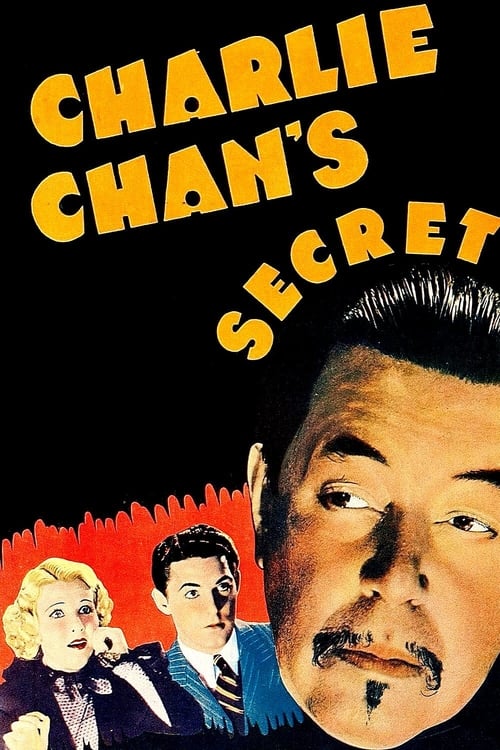
Charlie Chan's Secret
1936
No user ratings available yet
Representation score: 1.0 out of 10
Representation Score
Minimal
1931
PassedDirector
Hamilton MacFadden
Runtime
71 minutes
Average Rating
No ratings yetNew Showbiz Analysis
The film reflects its 1931 historical context, adhering to the standard studio-system methods of the early 1930s. While it includes a notable instance of racial inclusion through Inspector Charlie Chan, the narrative structure reinforces rather than challenges conventional social hierarchies. Overall, the work lacks complexity in addressing multiple aspects of identity. It prioritizes genre conventions and traditional morality over any progressive subversion of gender or cultural norms.
Category Breakdown
The film follows a strictly straight-focused structure. There is no depiction of non-straight or non-cisgender identities.
Gender roles remain traditional. The female lead's role is closely tied to her marriage prospects and social standing within a romantic context.
Inspector Charlie Chan's presence provides a rare instance of a non-white character in authority. However, the film still relies on the era's conventional ethnic stereotypes.
The narrative operates within a standard Western framework focused on social status. It lacks any critique of Western institutions or established social orders.
There are no visible or invisible disabilities depicted. Characters operate within the bounds of able-bodied norms.
Present on Screen
Limited or Absent
Official Synopsis
Movie star Shelah Fane is seeing wealthy Alan Jaynes while filming in Honolulu, Hawaii, but won't marry him without consulting famed psychic Tarneverro first. Enter inspector Charlie Chan of the Honolulu Police, investigating the unsolved murder, three years earlier, of a Hollywood actor.
1936
1941

1929
1934
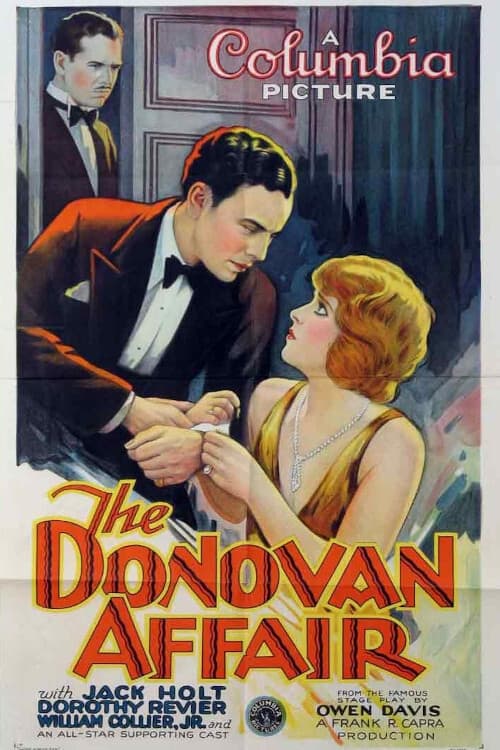
1929
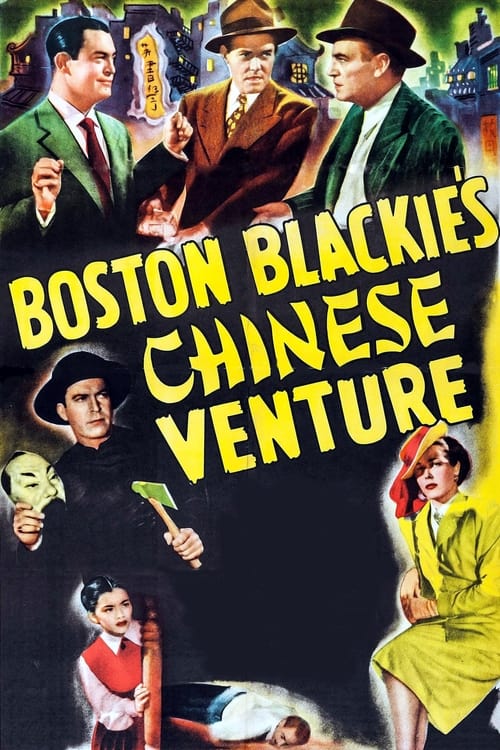
1949
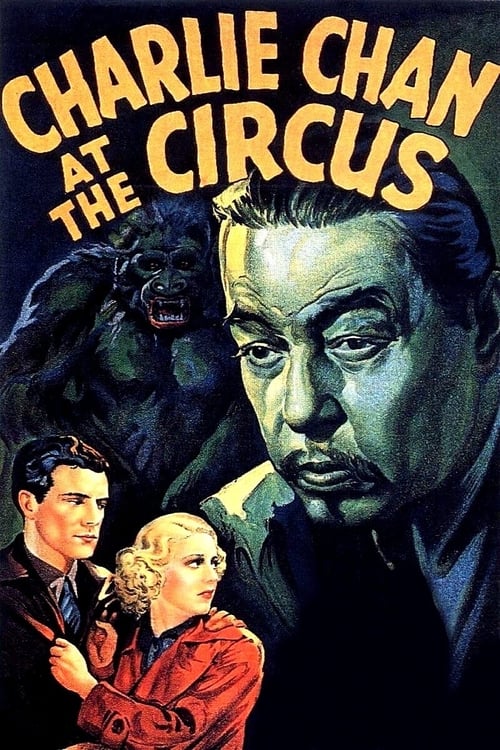
1936
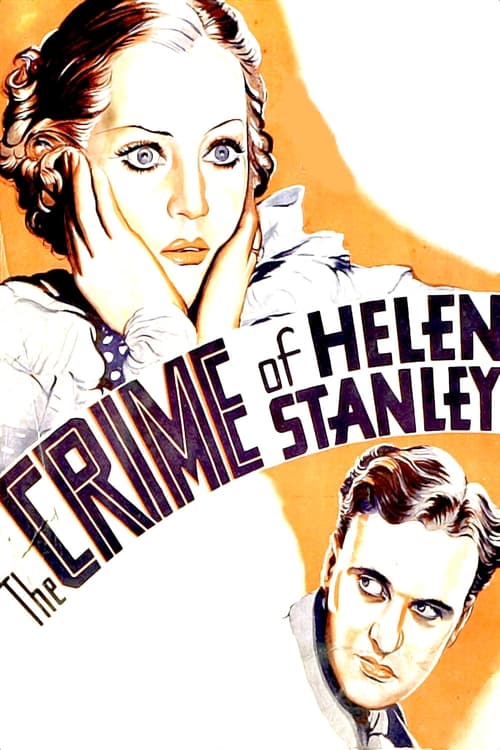
1934
No reviews yet. Be the first to share your thoughts on this movie!
Use the rating form above to leave a star rating and optional review.