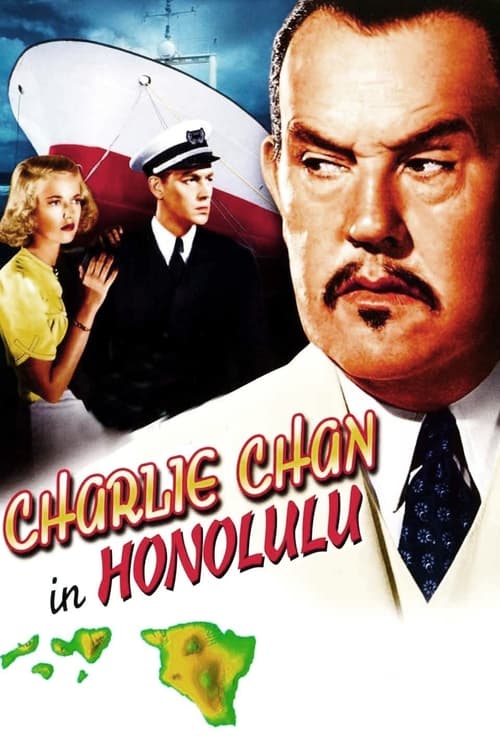
Charlie Chan in Honolulu
1938
No user ratings available yet
Representation score: 1.3 out of 10
Representation Score
Minimal
1940
NRDirector
Norman Foster
Runtime
66 minutes
Average Rating
No ratings yetNew Showbiz Analysis
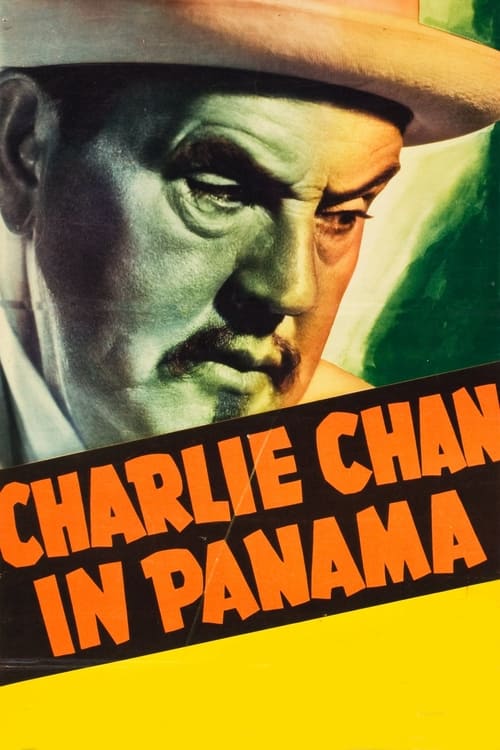
Charlie Chan in Panama stands as a product of its time. Its primary strength lies in featuring Sidney Toler, a Chinese-American lead in a central, intellectually capable role, challenging the racial homogeneity of 1940s Hollywood. However, the narrative structure remains fundamentally conservative, prioritizing the protection of state interests and reinforcing traditional social and gender roles without questioning power structures. Ultimately, while the protagonist offers racial visibility, the film lacks the necessary complexity to move beyond a conventional mystery procedural.
Category Breakdown
The film does not include any identifiable LGBTQ+ characters or themes. It follows the straight-centered norms of 1940s cinema without exploring diverse sexual orientations or gender identities.
Female characters are primarily in supporting roles as victims or suspects. The plot lacks significant involvement from women, with the story driven almost entirely by the male protagonist's actions.
Sidney Toler provides meaningful representation as a Chinese-American lead. The Panamanian setting introduces ethnic variety, but the film does not address colonial or racial power structures.
The narrative upholds Western institutional values by focusing on the protection of U.S. government interests. It emphasizes the importance of national security and established authority.
There are no prominent depictions of visible or invisible disabilities. Characters are portrayed using typical physical and mental archetypes found in the crime genre.
Present on Screen
Limited or Absent
Official Synopsis
Charlie impersonates an employee of the U.S. government to foil an espionage plot which would destroy part of the Panama Canal, trapping a Navy fleet on its way to the Pacific after maneuvers in the Atlantic.
1938
1935

1938
1941
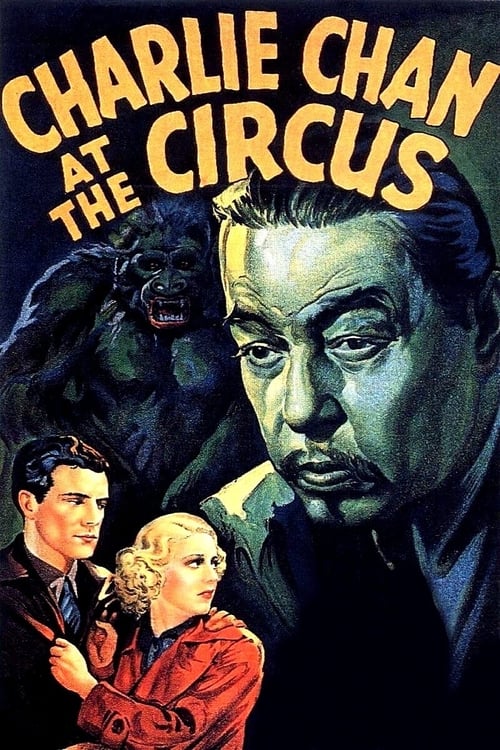
1936

1940
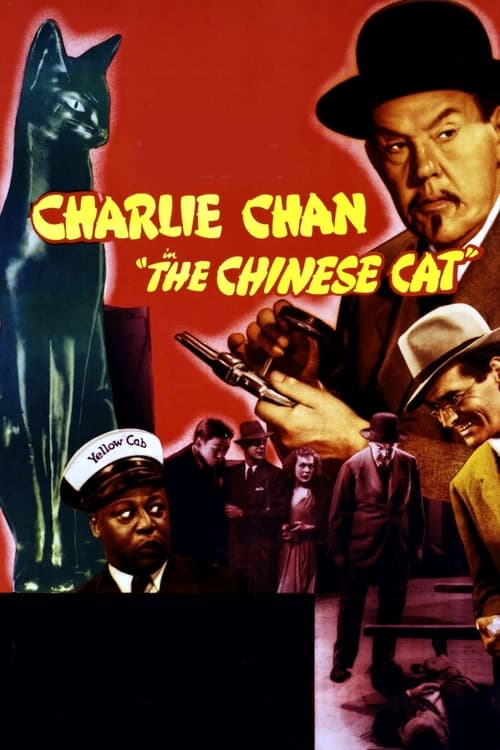
1944
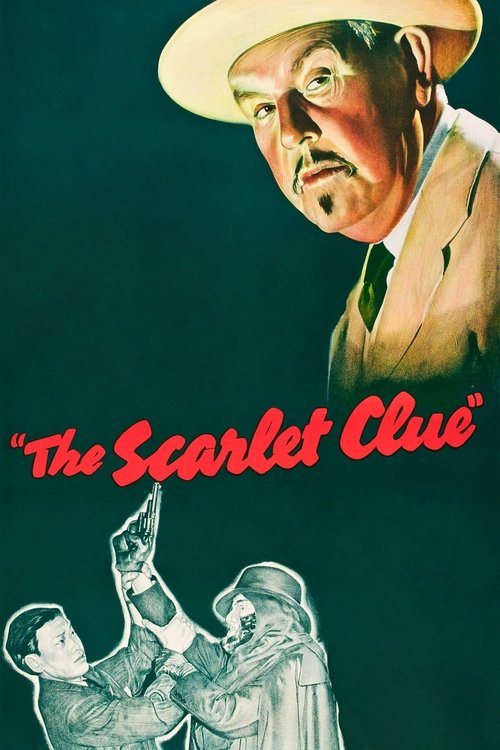
1945
No reviews yet. Be the first to share your thoughts on this movie!
Use the rating form above to leave a star rating and optional review.