
Revanche
1983
No user ratings available yet
Representation score: 2.0 out of 10
Representation Score
Fair
1976
Director
Pierre Granier-Deferre
Runtime
110 minutes
Average Rating
No ratings yetNew Showbiz Analysis
The film excels by focusing on the internal world of a female character, emphasizing her psychological journey. This approach highlights her inner struggles and perceptions. However, the film lacks diversity in its cast and social settings, which are predominantly white and upper-class. This limits the representation of broader human experiences. Overall, the film prioritizes individual psychological exploration over systemic representation, staying within traditional social structures.
Category Breakdown
The film does not include any LGBTQ+ characters or non-cisgender identities. Relationships and social dynamics are centered around traditional heterosexual norms.
The narrative focuses on the psychological journey of a female protagonist, highlighting her internal conflicts and perceptions. This shifts the story away from typical submissive female roles.
The cast is very homogeneous, primarily white and reflecting the upper-class French society. There is little diversity in terms of race or ethnicity.
The story contrasts the outward appearance of high society with underlying dark and voyeuristic themes. It questions the fragility of social order without explicitly critiquing institutions.
Themes of mental instability and paranoia are presented as character traits within a psychological thriller. These elements do not explore neurodivergence or disability in depth.
Present on Screen
Limited or Absent
Official Synopsis
Greece, 1936. An aristocratic woman engages in a series of loveless affairs before finding herself falling for a political activist.
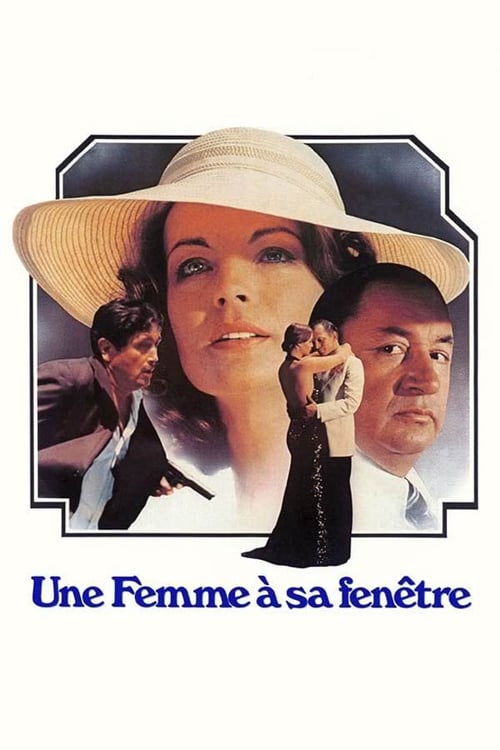
1983
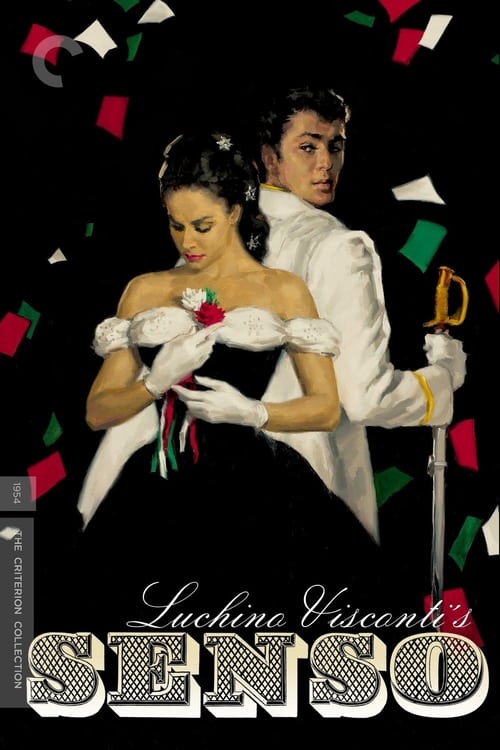
1954
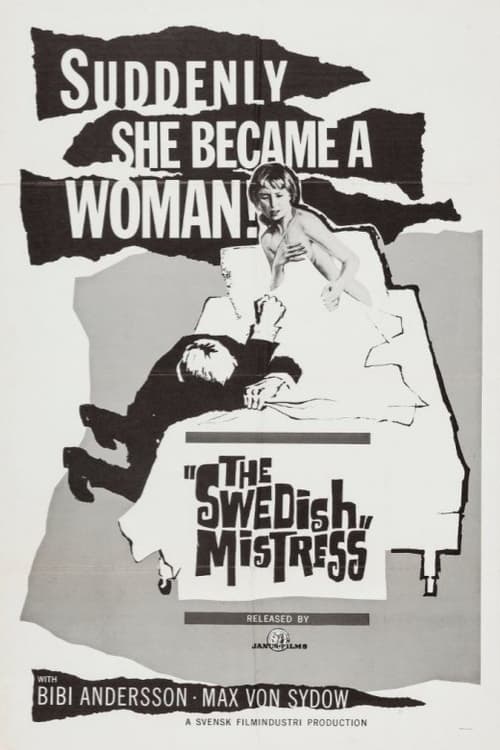
1962

1945
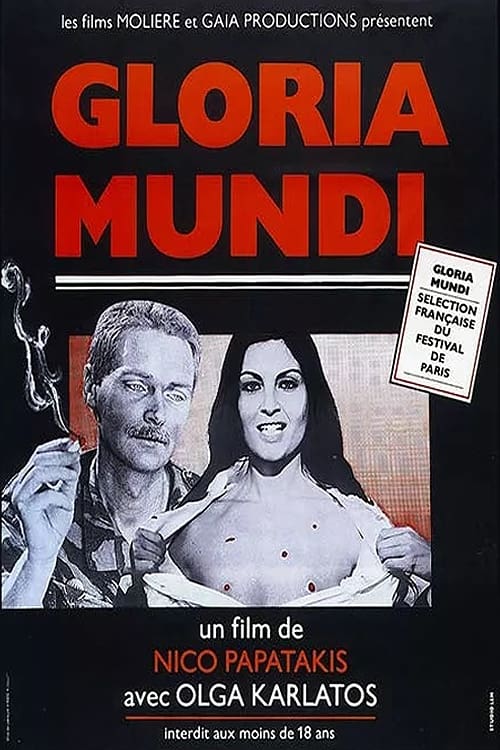
1976
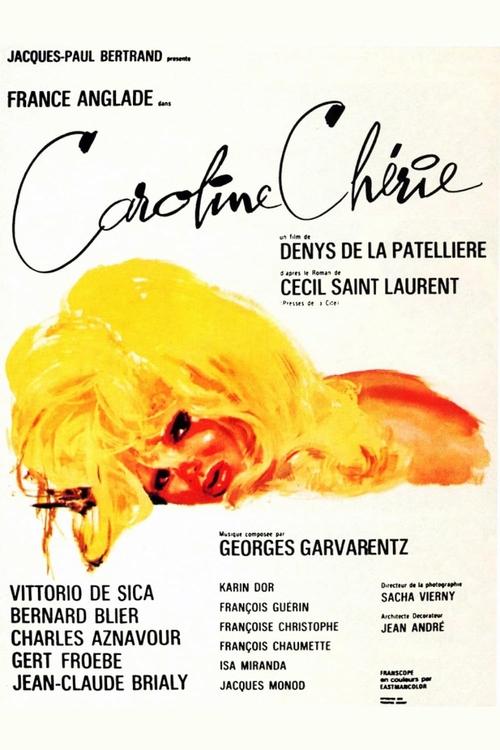
1968

1975

1978
No reviews yet. Be the first to share your thoughts on this movie!
Use the rating form above to leave a star rating and optional review.