Image Makers: The Adventures of America's Pioneer Cinematographers
2019
No user ratings available yet
Representation score: 3.2 out of 10
Representation Score
Minimal
1991
TV-GDirector
Ken Burns
Runtime
113 minutes
Average Rating
No ratings yetNew Showbiz Analysis
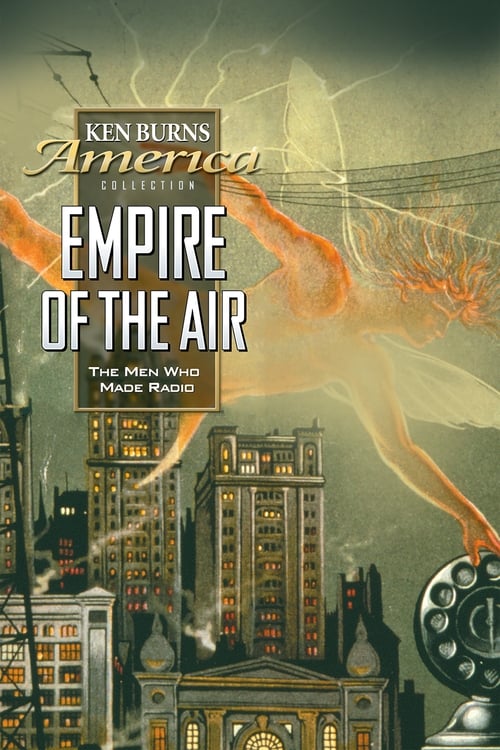
Ken Burns' documentary provides a meticulous look at the birth of radio, focusing on the lives of Lee de Forest, Edwin Howard Armstrong, and David Sarnoff. The film excels at tracing the shift from idealistic broadcasting to a commercialized mass medium, offering a sophisticated view of how corporate interests reshaped American consciousness. However, the film's scope is strictly bound by the historical realities of the early 20th century. This results in a narrative that centers a narrow demographic of male, Western innovators, largely mirroring the social hierarchies of the era rather than challenging them. While the film captures the friction between public interest and private capital, it lacks representation of diverse identities, focusing almost exclusively on the men who controlled the airwaves.
Category Breakdown
The documentary focuses on the technological and corporate history of the early 20th century. There are no LGBTQ+ characters or narratives addressing queer themes within the historical scope.
The narrative is centered on a male-dominated era. The primary subjects are all men, reflecting the masculine leadership hierarchies of the period’s technological and executive structures.
The film explores the immigrant experience through David Sarnoff, a Russian immigrant. However, the technological elite depicted remains largely homogeneous in its demographic makeup.
The film examines the tension between idealistic, non-profit broadcasting and commercial interests. It also touches upon the role of religious institutions in the medium's evolution.
There is no discernible focus on neurodivergence, physical disabilities, or mental health conditions as central narrative elements or character arcs.
Present on Screen
Limited or Absent
Official Synopsis
For 50 years radio dominated the airwaves and the American consciousness as the first “mass medium.” In Empire of the Air: The Men Who Made Radio, Ken Burns examines the lives of three extraordinary men who shared the primary responsibility for this invention and its early success, and whose genius, friendship, rivalry and enmity interacted in tragic ways. This is the story of Lee de Forest, a clergyman’s flamboyant son, who invented the audion tube; Edwin Howard Armstrong, a brilliant, withdrawn inventor who pioneered FM technology; and David Sarnoff, a hard-driving Russian immigrant who created the most powerful communications company on earth.
2019

2018
2000

2012
2007
2018

1989
2003
No reviews yet. Be the first to share your thoughts on this movie!
Use the rating form above to leave a star rating and optional review.