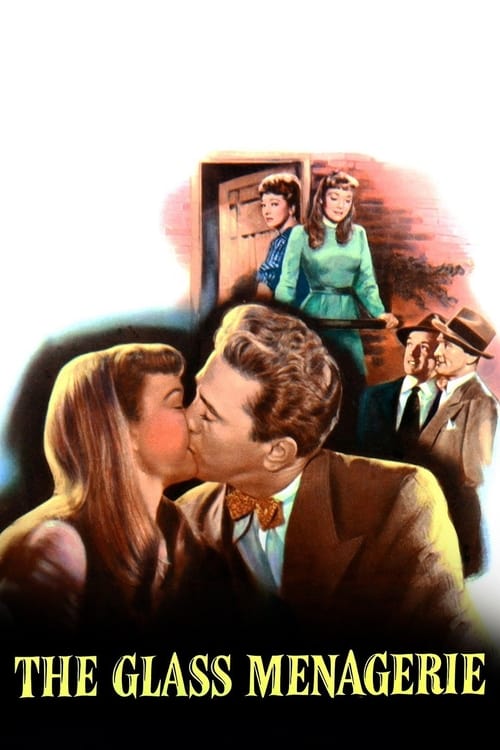
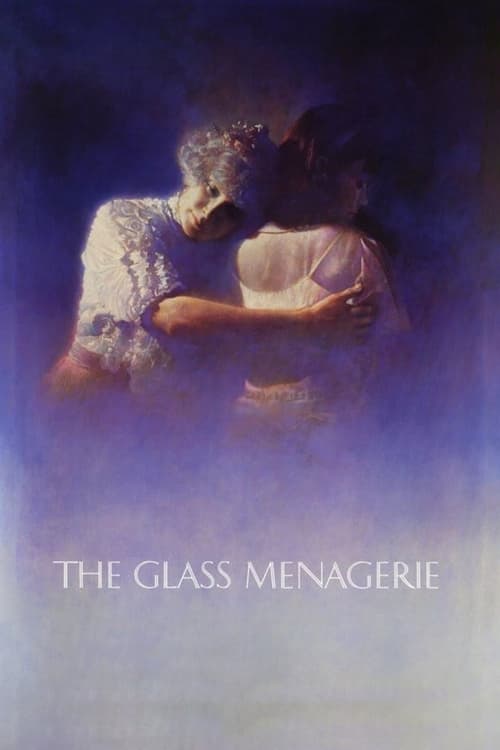
The Glass Menagerie
1950
No user ratings available yet
Representation score: 3.6 out of 10
Representation Score
Fair
1987
PGDirector
Paul Newman
Runtime
134 minutes
Average Rating
No ratings yetNew Showbiz Analysis
Paul Newman’s adaptation of Tennessee Williams’ work emphasizes psychological realism and the breakdown of the American Dream over broad demographic representation. The film excels in its nuanced look at gender power dynamics and the economic hardships of the Great Depression. Despite the lack of racial and LGBTQ+ diversity, it provides a sophisticated critique of traditional family structures. It depicts the domestic sphere as an oppressive environment rather than a stable foundation. The portrayal of disability is especially effective, focusing on internal struggles and social conflicts rather than sentimentality. Overall, the film is a character-driven study of personal autonomy versus systemic domestic pressures.
Category Breakdown
The film does not include any LGBTQ+ characters or explore non-straight relationships. The story focuses solely on heterosexual family dynamics.
Amanda challenges traditional female stereotypes by being a strong, controlling figure instead of a passive housewife. However, her influence is mostly limited to the home and social manipulation.
The cast is mainly white, reflecting the historical context of 1930s St. Louis. This uniformity mirrors the lack of racial diversity in middle-class narratives of that time.
The film criticizes Western traditions by showing the decline of Southern gentility. It portrays the traditional family as a confining structure that suppresses individual growth.
Laura’s physical condition is central to the plot and symbolizes her psychological state. The film avoids using her disability simply as a device for others' emotional development.
Present on Screen
Limited or Absent
Official Synopsis
An aging Southern Belle complicates life for her ambitious son and crippled daughter because of her own warped views of what life should be.
1950

1945
1966

1961

1973
1989
1972

1989
No reviews yet. Be the first to share your thoughts on this movie!
Use the rating form above to leave a star rating and optional review.