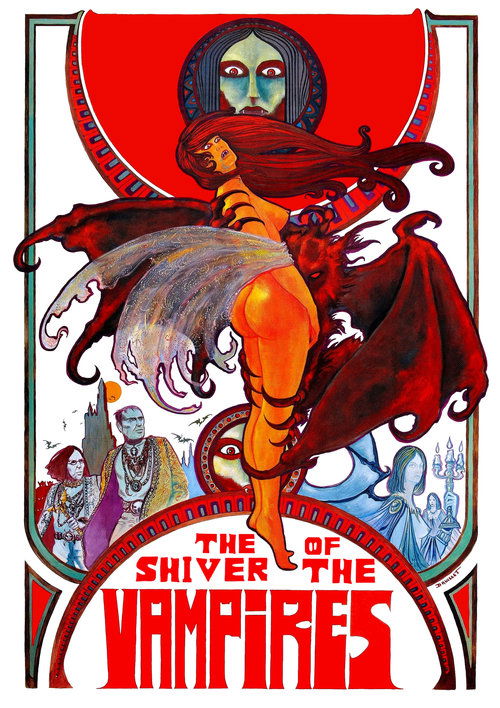
The Shiver of the Vampires
1971
No user ratings available yet
Representation score: 4.6 out of 10
Representation Score
Fair
1971
RDirector
Stephanie Rothman
Runtime
80 minutes
Average Rating
No ratings yetNew Showbiz Analysis
Stephanie Rothman’s direction disrupts traditional horror conventions by centering women's ability to drive the story and queer desire. The film replaces patriarchal structures with a complex, female-centric power dynamic that treats non-straight relationships as a central narrative force. However, the film's progressive themes are offset by a lack of racial and ethnic diversity. The homogeneous cast limits the narrative's depth, focusing almost exclusively on white characters within a desert setting. Ultimately, the film is a sophisticated disruption of genre clichés. It successfully deconstructs gendered power dynamics and moral binaries, even while remaining limited in its racial representation.
Category Breakdown
The film focuses on intimate relationships between women and explores homoerotic tension. Female-to-female attraction is a key part of the plot, challenging typical genre expectations.
The story replaces male-dominated roles with a powerful female character. It portrays female sexuality as an active, autonomous, and predatory force, breaking away from traditional damsel-in-distress clichés.
The cast is primarily white and does not significantly engage with ethnic identity. The story remains within a homogeneous framework without expanding on diverse backgrounds.
The story emphasizes personal experiences and erotic impulses over traditional religious or institutional ethics. The isolated desert setting allows for a breakdown of conventional social norms and authority.
There are no prominent depictions of physical or neurodivergent disabilities that influence the character arcs or the plot progression.
Present on Screen
Limited or Absent
Official Synopsis
A married couple accept the invitation of mysterious vixen Diane LeFanu to visit her in her secluded desert estate. Tensions arise when the couple, unaware at first that Diane is a centuries-old vampire, realize that they are both objects of the pale temptress' seductions.
1971
1960
1971
1964
1967

1973
1970
1966
No reviews yet. Be the first to share your thoughts on this movie!
Use the rating form above to leave a star rating and optional review.