lyudvik bavaraskiy
2012
No user ratings available yet
Representation score: 6.7 out of 10
Representation Score
Good
1972
Director
Hans-Jürgen Syberberg
Runtime
140 minutes
Average Rating
No ratings yetNew Showbiz Analysis
Syberberg’s work stands as a landmark of postmodern cinema that achieves progressive value through the systematic dismantling of Western power structures. It succeeds by centering non-normative identities and challenging the myth of the absolute monarch. However, the film's impact is limited by its extreme historical and cultural specificity. The focus on 19th-century German Romanticism results in a lack of racial and ethnic diversity, making the experience strictly Eurocentric. Ultimately, the film offers a complex critique of the Western ideal. It trades traditional narrative stability for an intellectual subversion of patriarchy and traditional morality.
Category Breakdown
The film focuses on King Ludwig II's deep isolation and rejection of traditional heterosexual marriage expectations. It uses a dreamlike structure to explore a queer-coded psychological experience through non-traditional emotional connections.
Syberberg challenges traditional masculine leadership by emphasizing the King's fragile, aesthetic obsession. The narrative prioritizes an internal, emotional landscape over conventional masculine roles.
The production is a highly stylized, Eurocentric exploration of 19th-century Bavarian history. The cast and setting remain homogeneous, reflecting the specific cultural context of the German Romantic era.
The film critiques Western institutions by depicting the state as an oppressive force. It prioritizes subjective, aesthetic truth over traditional religious or nationalist morality, framing the collapse of authority as inevitable.
Mental health and psychological instability are central to the protagonist's identity. While the film explores neurodivergence deeply, it occasionally risks romanticizing the tragedy of his suffering.
Present on Screen
Limited or Absent
Official Synopsis
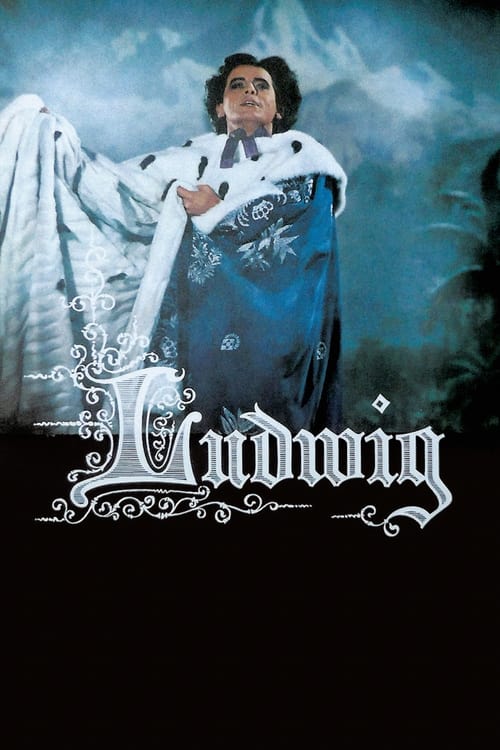
Reflected in an artificial and bombastically staged illusory world with Wagnerian compositions, glossy and satirical time references, 19th century German figures and traditions are stripped of their mythology and interpreted by the Germany of 1972.
2012
1969
1974
1969

1982
1973
1978
2015
No reviews yet. Be the first to share your thoughts on this movie!
Use the rating form above to leave a star rating and optional review.