
The Robber Kitten
1935
No user ratings available yet
Representation score: 0.3 out of 10

Representation Score
Minimal
1934
NRDirector
David Hand
Runtime
8 minutes
Average Rating
No ratings yetNew Showbiz Analysis
The Dognapper is a typical product of 1930s animation, emphasizing physical comedy and slapstick humor over social commentary. The narrative structure relies on well-established comedic clichés that reinforce the era's standards. Representation is limited, focusing mainly on a male-dominated chase scenario. The lack of diverse identities or complex social issues reflects the storytelling norms of the time. Overall, the short serves as a traditional morality tale. It does not aim to challenge existing hierarchies but operates within a narrow, homogeneous character landscape.
Category Breakdown
The film does not include any characters or stories related to LGBTQ+ identities. It sticks to a simple, humorous chase format that avoids deeper social issues.
The story revolves around male characters involved in a chase, such as Mickey, Donald, and Pete. It relies on traditional masculine stereotypes and does not give women significant roles.
Using animal characters avoids direct human racial issues, but the cast remains largely uniform. The film follows typical casting practices of its time without challenging them.
The story follows a straightforward good-versus-evil plot with traditional moral values. It does not question the underlying power structures.
The film does not feature any characters with physical or cognitive disabilities. The protagonists' clumsy actions are used for laughs rather than a nuanced depiction.
Present on Screen
Limited or Absent
Official Synopsis
Mickey and an early version of Donald Duck are police officers chasing dognapper Pegleg Pete. Despite their bumbling, they manage to repeatedly get the drop on Pete at his sawmill hideout, though they ultimately make a shambles of the place.
1935
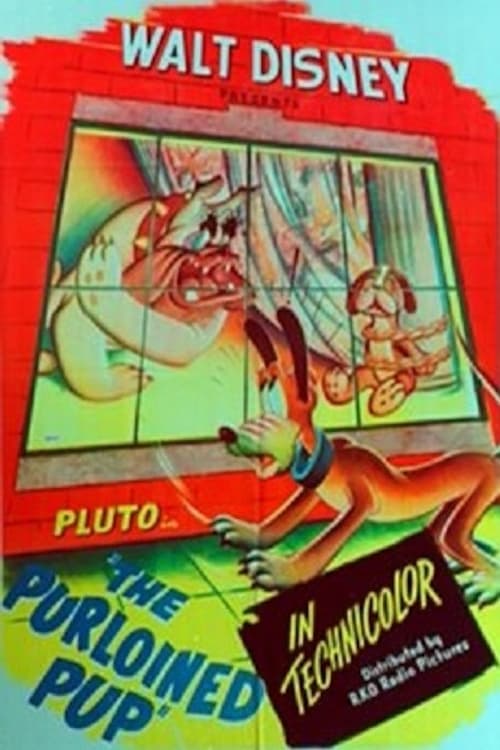
1946
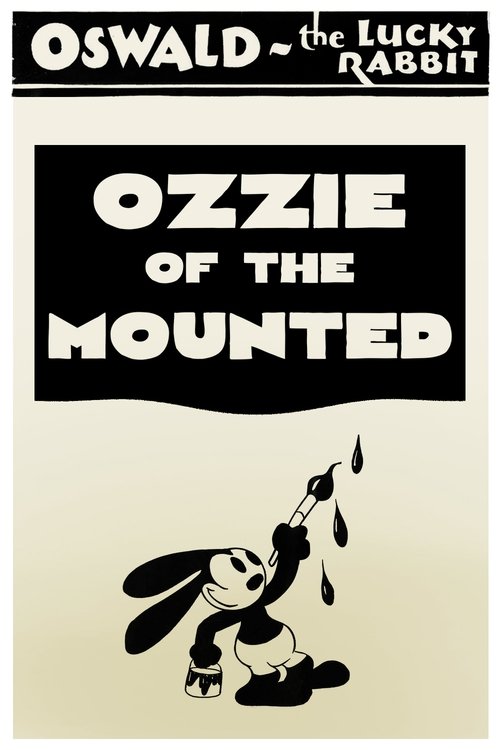
1928

1928
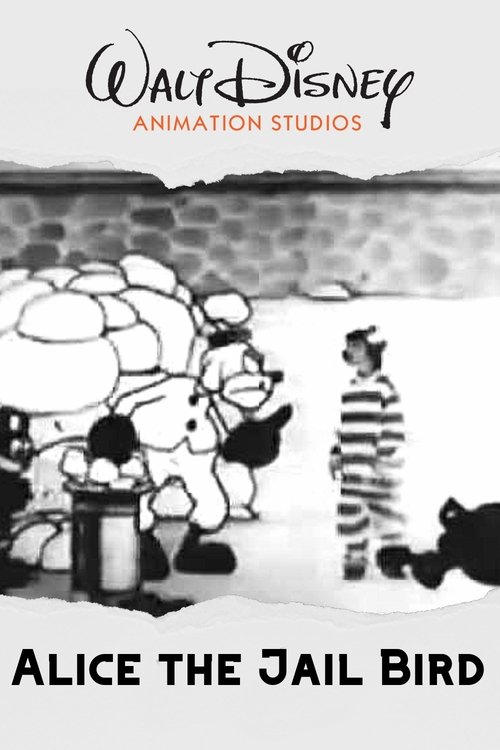
1925
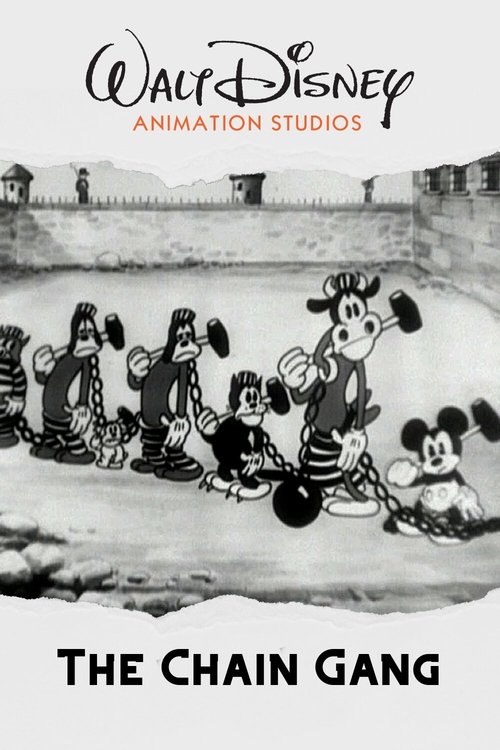
1930
1954
1939
No reviews yet. Be the first to share your thoughts on this movie!
Use the rating form above to leave a star rating and optional review.