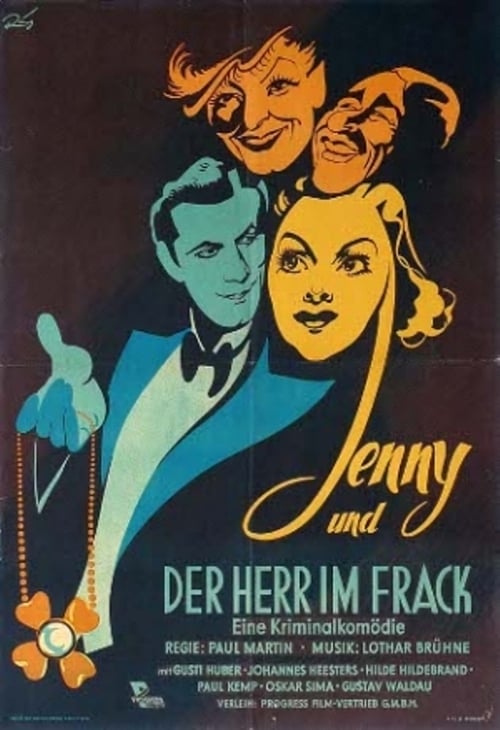
Jenny und der Herr im Frack
1941
No user ratings available yet
Diversity score: 1.4 out of 10
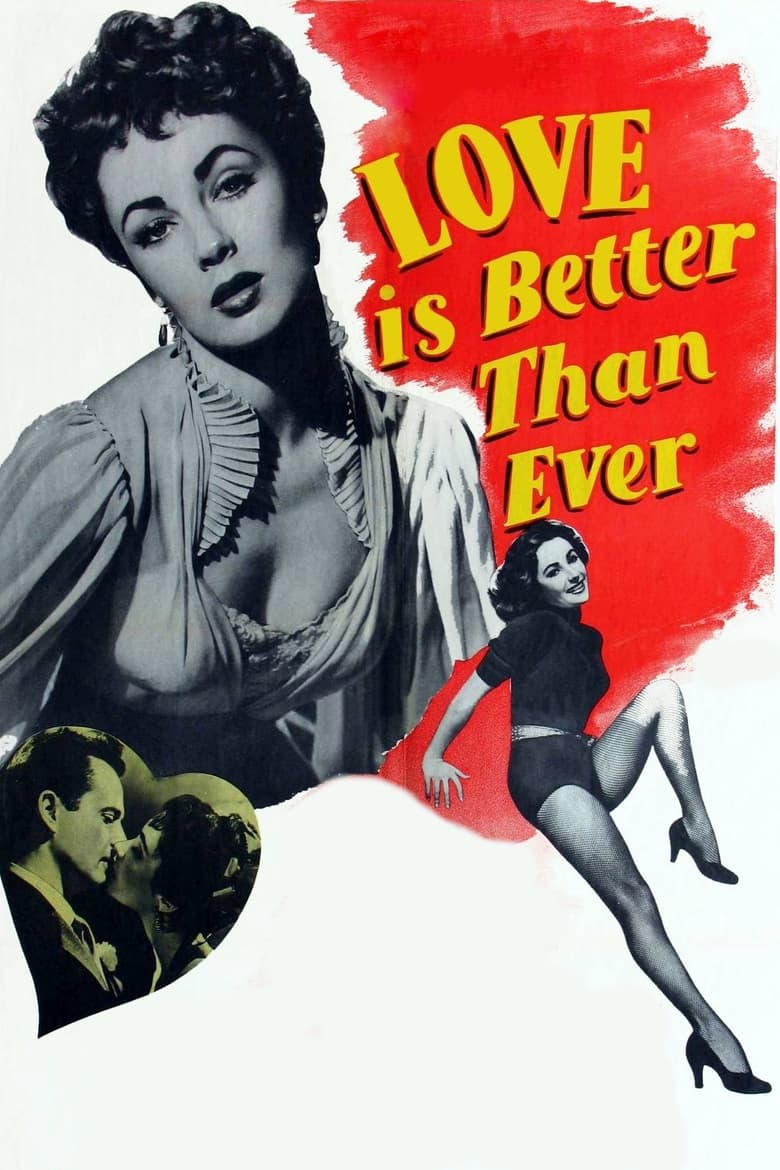
1952
NRDirector
Stanley Donen
Runtime
81 minutes
Average Rating
No ratings yetSynopsis
A dance instructor falls in love with a smart theatre agent; while he returns her affections, it's just not enough to give up his exciting bachelor life.
Overall Score
Limited
Category Breakdown
LGBTQ+ Representation
The film operates within a strictly heteronormative framework. There is no evidence of non-cisnormative gender identities or same-sex intimacy.
Gender Representation
Polly serves as the emotional center, but her agency is defined by navigating romantic interests. The plot relies on standard mid-century tropes of female desirability and male pursuit.
Racial & Ethnic Diversity
The cast is predominantly homogeneous, reflecting the era's production standards. The narrative lacks meaningful racial diversity and centers a white, middle-to-upper-class social experience.
Religious & Cultural Diversity
The film celebrates traditional Western social structures and romantic stability. It reinforces the stability of the urban middle class through a lighthearted comedic morality.
Disability Representation
There are no visible or invisible disabilities portrayed as central to the narrative. Disability is not used as a plot device in this production.
Strengths
Areas for Improvement
AI Analysis
Love Is Better Than Ever is a quintessential mid-century studio musical that prioritizes escapist romantic comedy over social disruption. It functions as a vehicle for conventional courtship rituals, adhering strictly to the cinematic grammars of 1950s Hollywood. The film reinforces traditional hierarchies across gender, race, and culture. It lacks the intentionality required to provide intersectional depth, instead offering a standard portrayal of urban middle-class stability and heteronormative romance. Ultimately, the work serves as a period-typical example of mainstream entertainment that avoids challenging the established social order or providing diverse perspectives.
1941
1942
1963
1953
1954
1941

1951

1950

1942
1935
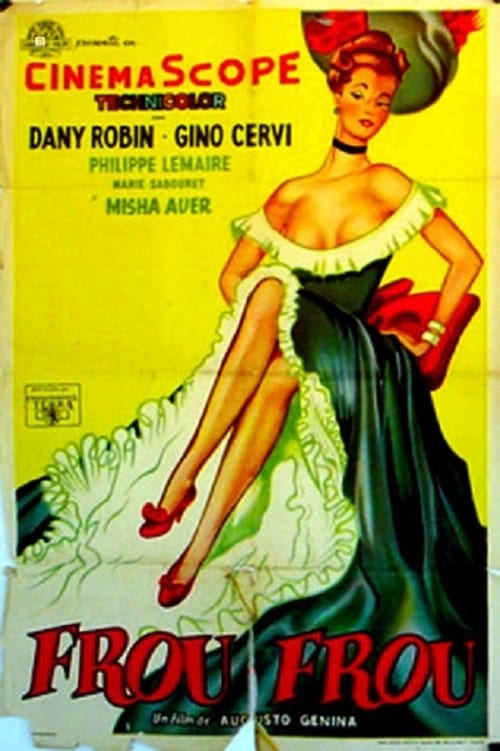
1955
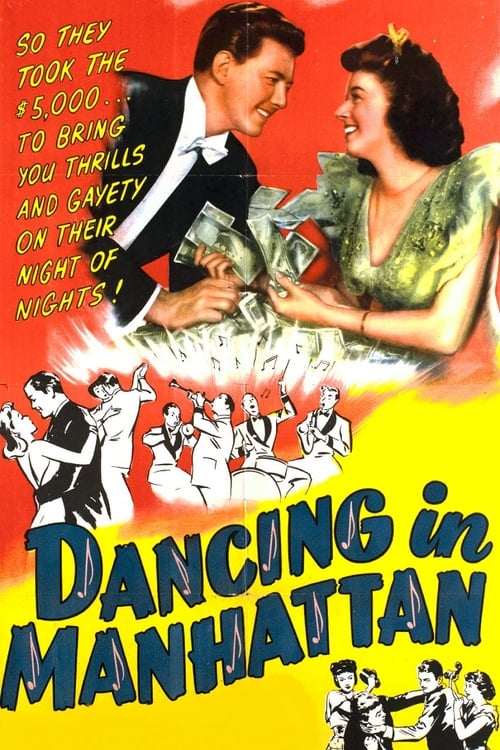
1944
No reviews yet. Be the first to share your thoughts on this movie!
Use the rating form above to leave a star rating and optional review.