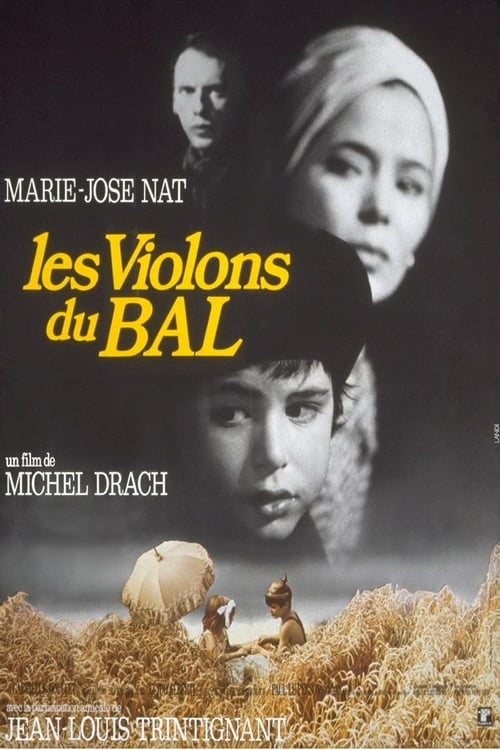
Violins at the Ball
1974
No user ratings available yet
Representation score: 6.0 out of 10
Representation Score
Fair
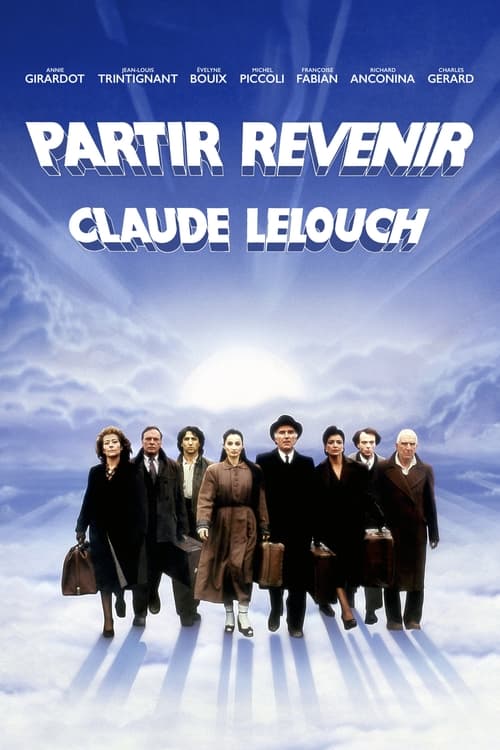
1985
Director
Claude Lelouch
Runtime
114 minutes
Average Rating
No ratings yetNew Showbiz Analysis
Claude Lelouch’s drama primarily focuses on an intimate character study of memory and loss. While it does not offer the broad diversity seen in modern cinema, it successfully centers a female intellectual experience through Salomé Lerner. The film’s strength lies in its narrative structure, which uses art and music to challenge rigid historical documentation. However, the scope remains narrow, focusing on a specific European family history without broader racial or LGBTQ+ representation. Ultimately, the work provides a nuanced exploration of personal truth, even if it stays within a relatively traditional demographic framework.
Category Breakdown
The film does not include explicit representations of LGBTQ+ identities or dynamics that challenge the assumption that everyone is straight. The story focuses on the search for a missing sibling and the impact of family loss, rather than exploring queer themes.
Salomé Lerner is a central female character who plays a significant role in driving the story. She demonstrates intellectual independence and initiative, providing a meaningful contrast to typical male-dominated war narratives.
The story seems to be set in a specific French context and revolves around a particular family history. There is no indication of a diverse cast or the use of racial metaphors.
The film examines personal memories and the reconstruction of truth through music and personal accounts. It emphasizes individual perspectives over a single, state-approved version of history.
There is no information about the portrayal of physical or neurodivergent disabilities in the film.
Present on Screen
Limited or Absent
Official Synopsis
Salomé Lerner just finished writing an autobiography. She goes to a TV show called "Apostrophes", hosted by French TV showman Bernard Pivot. Pivot then imagines a film that could be created from her gripping story. A film entirely made of music because after seeing the young pianist Erik Berchot, Salomé believes seeing her long lost brother, who was a musician as well. A brother she had lost along with her parents in 1943. However, the Lerners did in fact escape the gestapo and might have based themselves in Paris...
1974

1956
1992
1949
1983
2019
1983

2003
No reviews yet. Be the first to share your thoughts on this movie!
Use the rating form above to leave a star rating and optional review.