The 17th Parallel
1968
No user ratings available yet
Representation score: 7.7 out of 10
Representation Score
Fair
2011
NRDirector
Guy Davidi, Emad Burnat
Runtime
90 minutes
Average Rating
No ratings yetNew Showbiz Analysis
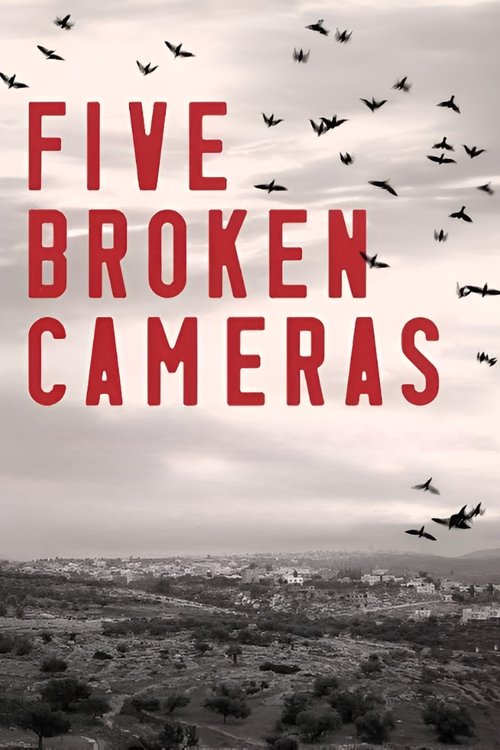
Five Broken Cameras serves as a vital piece of testimonial cinema that reframes geopolitical power dynamics. By centering the lived experiences of Palestinian villagers, it provides a necessary disruption to Western-centric historical narratives. The film excels in its cultural and ethnic depth, offering a profound look at land sovereignty and resistance against state-driven dominance. It grants a significant role in driving the story to a underrepresented population through a post-colonial lens. However, the documentary's scope is narrow, focusing almost exclusively on territorial struggle. This results in a total absence of LGBTQ+ representation and a lack of focus on disability as a narrative element.
Category Breakdown
The film focuses solely on the socio-political realities of the Bil’in community. There are no identifiable LGBTQ+ characters or stories exploring non-straight identities.
Women are shown as active participants in both family life and the political struggle. The film avoids clichés of passive women by highlighting women's roles in managing communal life under occupation.
The documentary offers an exceptional portrayal of a non-Western community. It centers the Palestinian experience to challenge the traditional Western-centric viewpoint often seen in war films.
The narrative engages deeply with the lasting impacts of colonialism and criticizes settler-colonialism. It uses the destruction of olive groves as a symbol for the loss of indigenous livelihood.
The film documents the physical toll of conflict on the human body. However, it does not center characters with permanent disabilities or neurodivergence as primary narrative elements.
Present on Screen
Limited or Absent
Official Synopsis
Five broken cameras – and each one has a powerful tale to tell. Embedded in the bullet-ridden remains of digital technology is the story of Emad Burnat, a farmer from the Palestinian village of Bil’in, which famously chose nonviolent resistance when the Israeli army encroached upon its land to make room for Jewish colonists. Emad buys his first camera in 2005 to document the birth of his fourth son, Gibreel. Over the course of the film, he becomes the peaceful archivist of an escalating struggle as olive trees are bulldozed, lives are lost, and a wall is built to segregate burgeoning Israeli settlements.
1968
2019

2017

2013

2013

2024
2005
2006
No reviews yet. Be the first to share your thoughts on this movie!
Use the rating form above to leave a star rating and optional review.