Iraq in Fragments
2006
No user ratings available yet
Representation score: 5.2 out of 10
Representation Score
Good
2006
Not RatedDirector
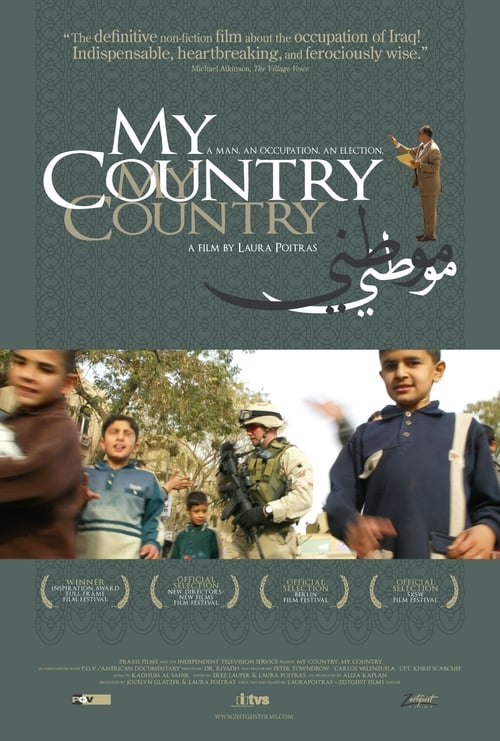
Laura Poitras
Runtime
90 minutes
Average Rating
No ratings yetNew Showbiz Analysis
Laura Poitras's documentary succeeds by shifting the geopolitical lens away from Western-centric perspectives. By centering a Sunni Arab doctor, the film gives real power to a Middle Eastern subject, moving beyond common stereotypes of the region. The work functions as a sophisticated critique of state-building and institutional power. It prioritizes the lived experiences of citizens navigating a fractured landscape, emphasizing the tension between local identity and foreign intervention. While the film lacks specific LGBTQ+ or disability representation, its strength lies in its profound examination of ethnic and cultural identity.
Category Breakdown
The film does not include central LGBTQ+ narratives or explicit depictions of non-cisgender identities. The focus remains on the socio-political struggles of religious and ethnic identity in Iraq.
The narrative examines how gendered social roles function within a transitioning society. While the protagonist is male, the film avoids reducing gender to secondary or decorative roles.
The documentary excels by centering non-Western perspectives and disrupting the outsider gaze. It provides a significant role in driving the story to a Sunni Arab professional, offering a humanized portrait of political leadership.
The film uses a post-colonial lens to critique Western institutional intervention. It explores the friction between local traditions and the structures imposed by foreign state actors.
There are no prominent depictions of visible or invisible disabilities that serve as central narrative arcs within the film.
Present on Screen
Limited or Absent
Official Synopsis
The director follows a Sunni Arab doctor as he prepares to run for the early 2005 elections in Iraq.
2006

2011
2016

2013
2004
2015
2004

2019
No reviews yet. Be the first to share your thoughts on this movie!
Use the rating form above to leave a star rating and optional review.