
An Officer and a Spy
2019
No user ratings available yet
Representation score: 4.3 out of 10
Representation Score
Limited
1930
Director
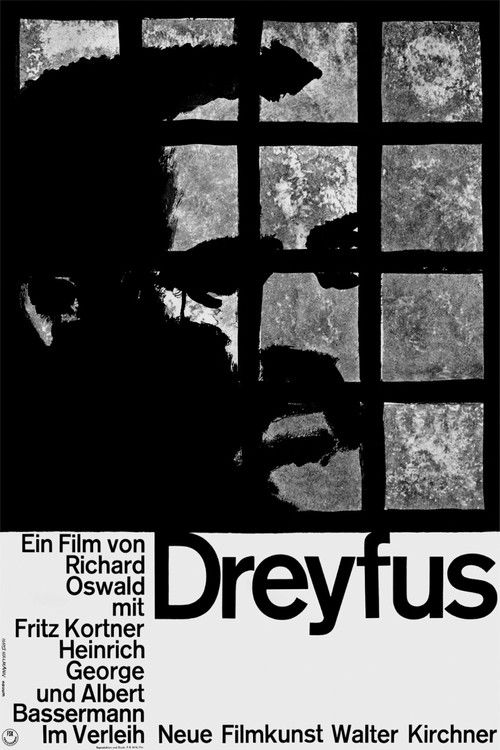
Richard Oswald
Runtime
115 minutes
Average Rating
No ratings yetNew Showbiz Analysis
Richard Oswald’s *Dreyfus* is a powerful historical critique that uses the Dreyfus Affair to dismantle the perceived integrity of state justice. The film excels by centering the Jewish experience, turning a personal tragedy into a broader indictment of systemic antisemitism and institutional corruption. However, the film is limited by its narrow focus on masculine power structures. The narrative is heavily weighted toward the military and political spheres, leaving little room for women's ability to drive the story or diverse gender perspectives. Ultimately, the film's strength lies in its progressive deconstruction of authority. It successfully challenges the homogeneity of the era by exposing how state-sanctioned prejudice can subvert truth and individual justice.
Category Breakdown
The film focuses solely on political and religious conflicts. There are no LGBTQ+ characters or narratives that challenge the assumption that everyone is straight or cisgender.
The story revolves around male-centric institutions such as the military and judiciary. While not overtly misogynistic, the film lacks significant roles for women.
The narrative centers on the Jewish experience and systemic antisemitism. It uses the protagonist's heritage to critique the exclusionary nature of the French establishment.
The film deconstructs Western institutions by portraying the military and judiciary as corrupt. It reveals how national honor can mask identity-based prejudice.
There are no prominent depictions of physical or neurodivergent disabilities that drive the narrative or serve as central character traits.
Present on Screen
Limited or Absent
Official Synopsis
In late nineteenth century Alfred Dreyfus, a French army officer of Jewish heritage, is falsely accused of espionage. Found guilty of treason he is drummed out of the army and sent to prison on Devil's Island.
2019

1937
1995

1971
1958

2014
1918
1919
No reviews yet. Be the first to share your thoughts on this movie!
Use the rating form above to leave a star rating and optional review.