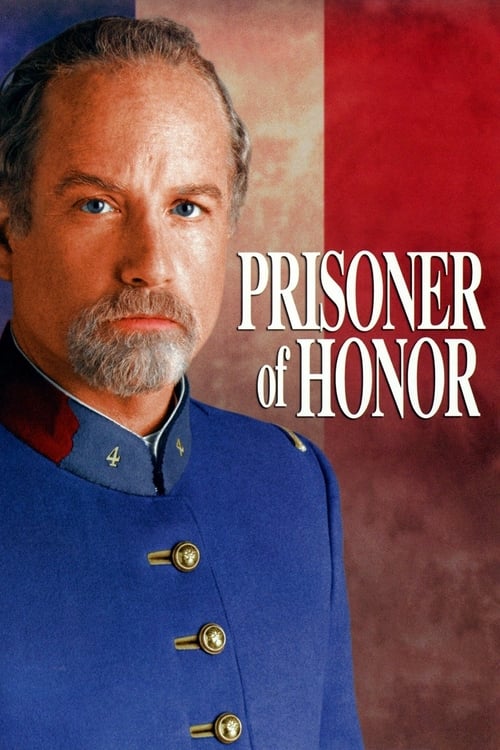
Prisoner of Honor
1991
No user ratings available yet
Representation score: 5.5 out of 10
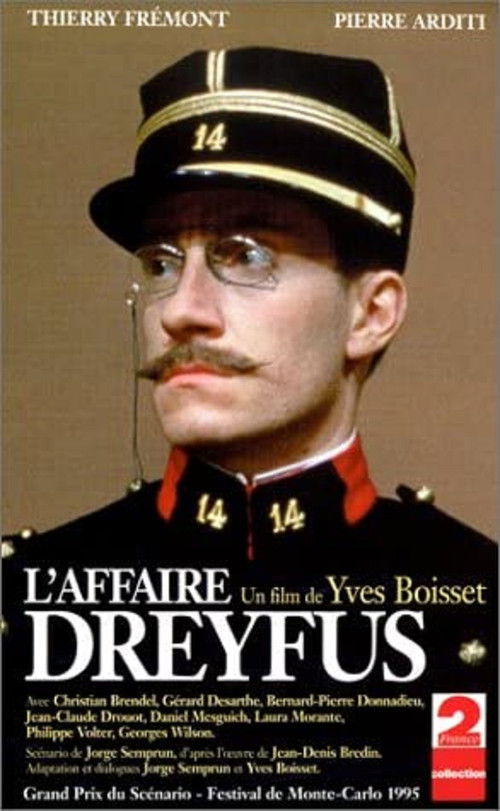
Representation Score
Limited
1995
Director
Yves Boisset
Runtime
200 minutes
Average Rating
No ratings yetNew Showbiz Analysis
L'Affaire Dreyfus is a sophisticated historical drama that focuses on critiquing institutional corruption rather than diverse social representation. By highlighting the specific ethnic identity of its protagonist, the film exposes systemic antisemitism and state injustice. While the film effectively explores racial and cultural power dynamics, it is constrained by its focus on masculine-dominated historical structures. The lack of female influence and LGBTQ+ representation reflects the era's social limitations, narrowing the scope of its social commentary. Ultimately, the film serves as a powerful critique of state authority, using the Dreyfus affair to reveal how nationalistic fervor can overshadow individual justice.
Category Breakdown
The film focuses solely on the historical context of the 1890s, with no LGBTQ+ characters or stories included.
The story revolves around male-dominated hierarchies within the French military and legal system. Female characters have little influence and play secondary roles to the main political conflicts.
The film highlights antisemitism by focusing on Alfred Dreyfus's Jewish identity and how ethnic differences are used to blame individuals.
The narrative criticizes traditional Western institutions, showing the military and legal systems as corrupt. It promotes truth over state propaganda and nationalism.
There are no significant portrayals of physical or neurological disabilities that shape the narrative or define characters.
Present on Screen
Limited or Absent
Official Synopsis
In 1894, the French Army discovered the existence of a traitor Alsatian and Jewish, the French officer Alfred Dreyfus makes an ideal culprit. For lack of evidence, the War Ministry creates a damning document Dreyfus overwhelming. Judged and sentenced, Dreyfus is deported to Devil's Island. In 1896, the Army flushed out the real culprit. The truth broke out in 1898 thanks to the mobilization of intellectuals shaken by Zola's "J'accuse!"
1991
1937

2007
1971
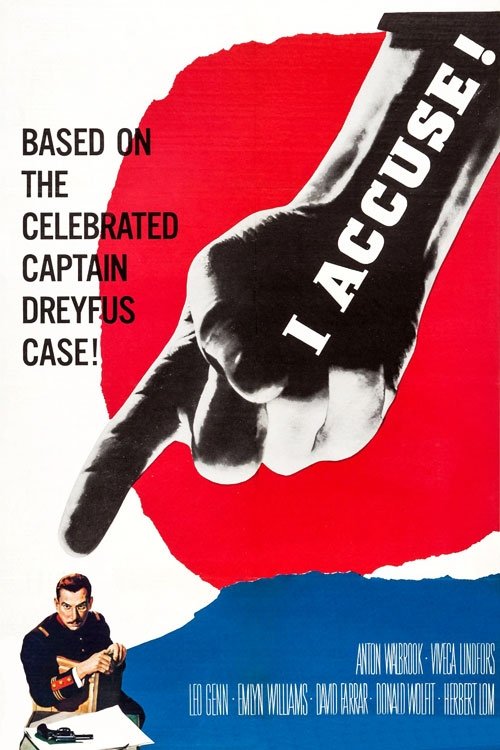
1958
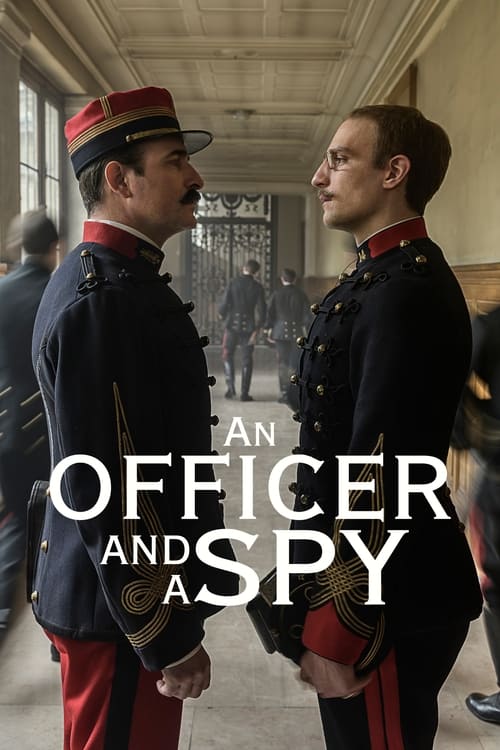
2019
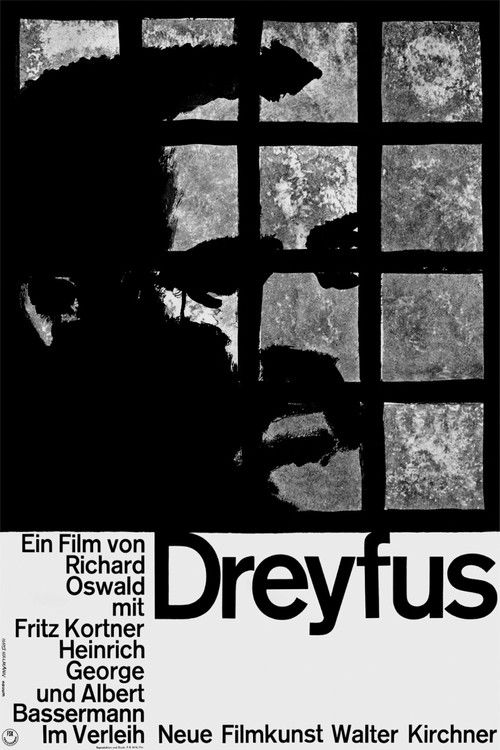
1930
2016
No reviews yet. Be the first to share your thoughts on this movie!
Use the rating form above to leave a star rating and optional review.