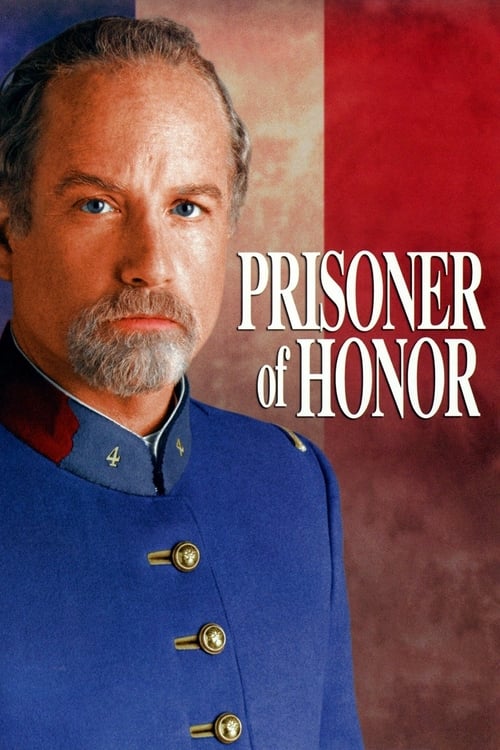
Prisoner of Honor
1991
No user ratings available yet
Representation score: 5.5 out of 10
Representation Score
Limited
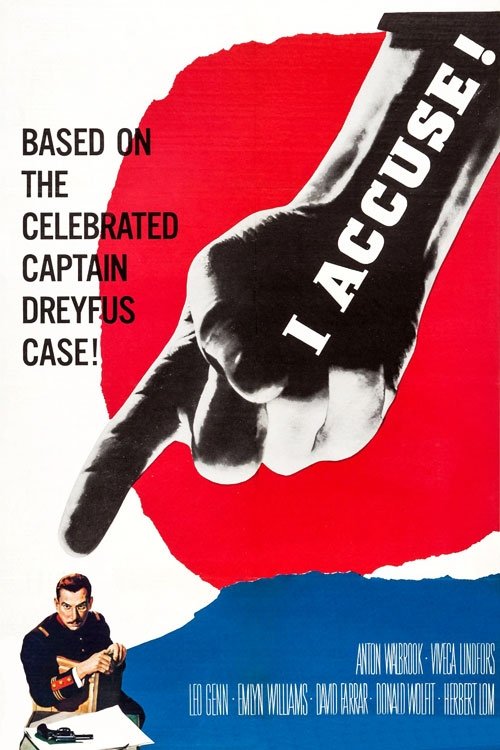
1958
NRDirector
José Ferrer
Runtime
99 minutes
Average Rating
No ratings yetNew Showbiz Analysis
I Accuse! is a historical drama that excels in its unflinching look at systemic ethnic prejudice. By focusing on Alfred Dreyfus, the film underscores the marginalization of Jewish individuals within a dominant European power structure. However, the film is constrained by the social norms of its time. It lacks diverse representation, particularly for LGBTQ+ identities and women, who are relegated to minor roles in a male-dominated environment. Ultimately, the film’s strength lies in its deconstruction of institutional authority. It challenges the perceived infallibility of the state, making it a compelling study of individual truth against systemic corruption.
Category Breakdown
The film does not include any LGBTQ+ characters or representations of non-cisgender identities. The story focuses solely on the legal and ethnic aspects of the Dreyfus Affair.
The story centers around male-dominated military and legal institutions. Women play minor roles that align with traditional gender roles of the mid-20th century.
The film offers a strong critique of institutional anti-Semitism by focusing on the case of Alfred Dreyfus, a Jewish officer. It highlights the systemic ethnic prejudice faced by Jews within the French military.
The narrative criticizes Western institutions by depicting the French military as corrupt. It portrays the state as an oppressive force rather than a protector.
There is no indication of the portrayal of physical or neurodivergent disabilities in this work.
Present on Screen
Limited or Absent
Official Synopsis
Alfred Dreyfus, a German-Jewish captain serving in the French Army, is falsely accused of treason and made a scapegoat for military espionage in an act of institutional anti-Semitism. Sent to prison, he becomes a cause célèbre for the novelist Émile Zola, who dubs it the "Dreyfus Affair." Eventually, Dreyfus is pardoned when the military cover-up is made public, and he returns to France. But his name is forever tarnished by the accusations of treason.
1991
1971
1971
1963
1982
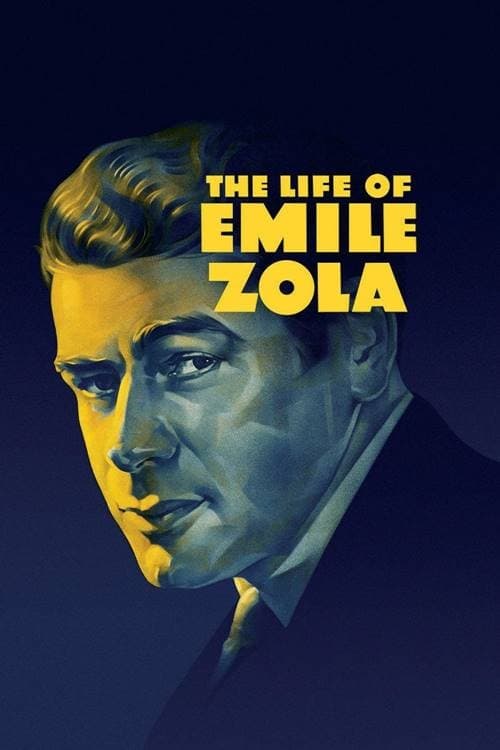
1937
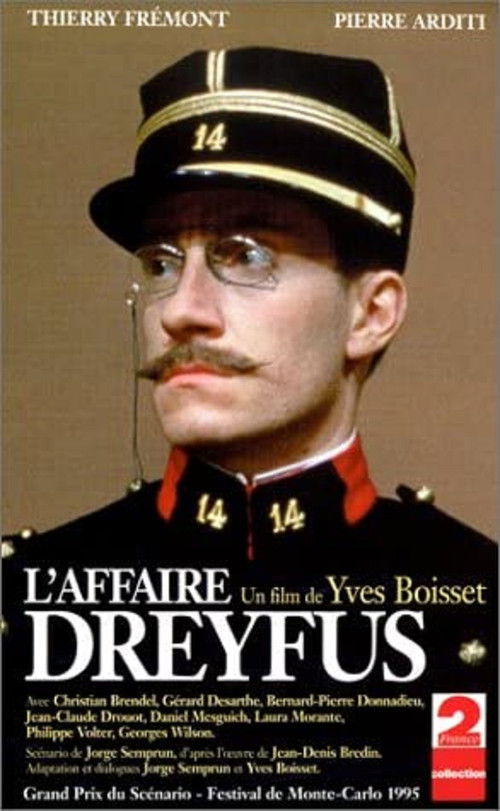
1995
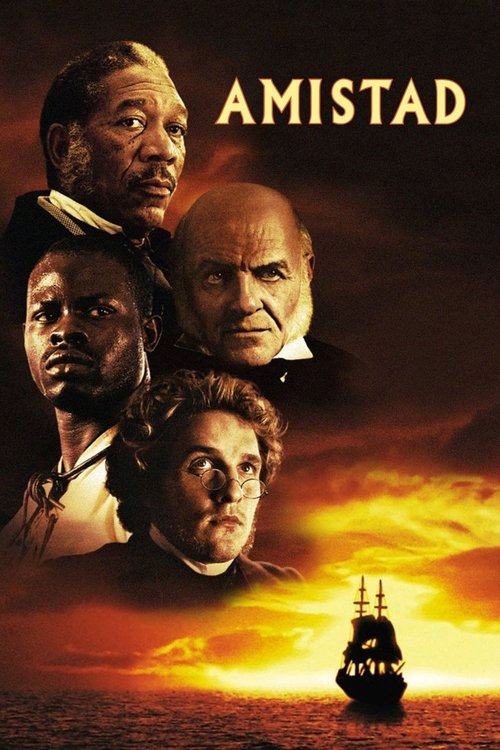
1997
No reviews yet. Be the first to share your thoughts on this movie!
Use the rating form above to leave a star rating and optional review.