Devdas
2002
No user ratings available yet
Diversity score: 4.4 out of 10
2013
PG-13Director
Sanjay Leela Bhansali
Runtime
155 minutes
Average Rating
No ratings yetSynopsis
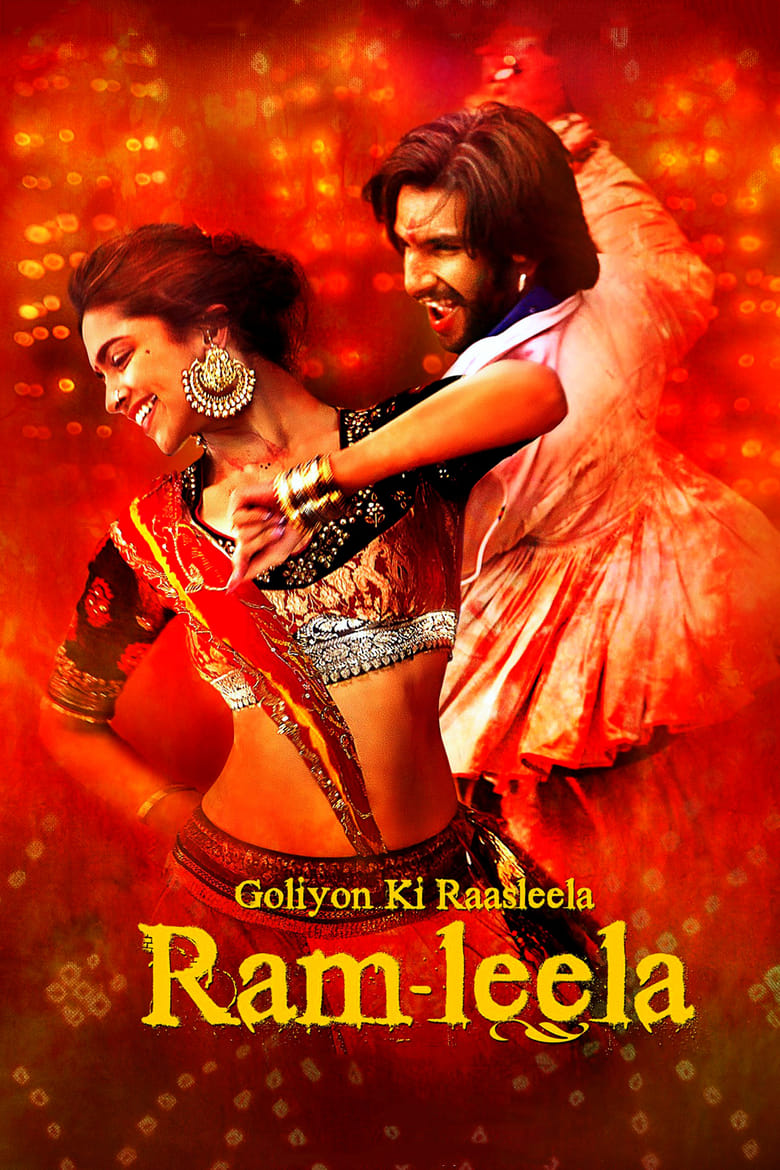
Ran and Leela are passionately in love with each other. The only problem is that their respective clans have been enemies for 500 years.
Overall Score
Fair
Category Breakdown
LGBTQ+ Representation
The film centers on a strictly heteronormative romantic relationship. There is no visible presence of queer identities or subtext within the main character arcs.
Gender Representation
Leela serves as a powerful disruption to traditional gender hierarchies. She displays high agency and assertiveness, actively defying patriarchal structures to pursue her own autonomy.
Racial & Ethnic Diversity
The story offers a deep, nuanced immersion into rural Gujarati identity. It avoids homogenization by remaining grounded in a specific, culturally rich regional heritage.
Religious & Cultural Diversity
The narrative critiques traditionalist social institutions by framing clan honor as an oppressive force. It portrays communal morality as a destructive driver of systemic violence.
Disability Representation
There are no prominent depictions of physical or neurodivergent disabilities that function as central elements of the story.
Strengths
Areas for Improvement
AI Analysis
Sanjay Leela Bhansali’s drama succeeds by centering individual agency against the backdrop of oppressive tribalism. The film's primary strength lies in its subversion of gendered expectations, particularly through a female protagonist who rejects passivity in favor of autonomy. However, the film remains limited by its narrow focus on heteronormative romance and a lack of representation for LGBTQ+ or disabled characters. While it offers a sophisticated critique of traditional authority, it does not explore a wide breadth of human identities. Ultimately, the work is a study of personal desire clashing with systemic social codes, providing a meaningful, if culturally specific, exploration of rebellion.
2002
1996
1999
2013

2007
1960

2010
2006
2015
1981

2013
2000
No reviews yet. Be the first to share your thoughts on this movie!
Use the rating form above to leave a star rating and optional review.