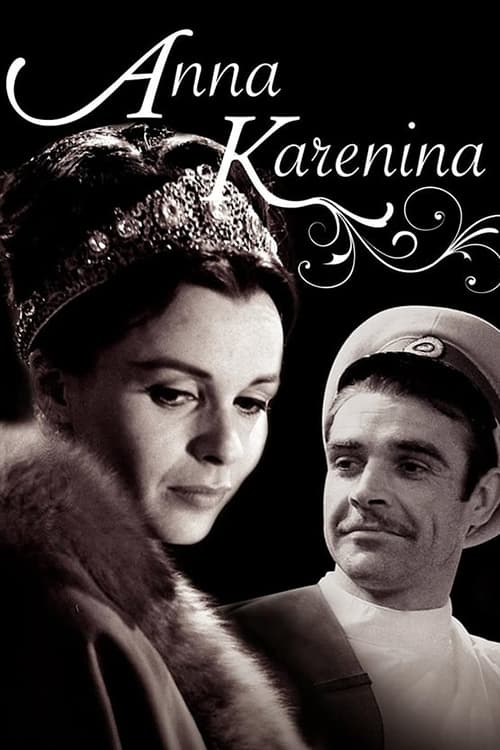
Anna Karenina
1961
No user ratings available yet
Representation score: 2.5 out of 10

Representation Score
Limited
1985
PGDirector
Simon Langton
Runtime
135 minutes
Average Rating
No ratings yetNew Showbiz Analysis
This adaptation of Tolstoy's classic prioritizes historical accuracy and period-specific realism. While it presents a complex, active female lead, it remains limited by the era's lack of diversity. The film's focus is on the conflict between individual morality and rigid social institutions. However, the narrative is confined to a homogeneous aristocratic setting that lacks diverse representation.
Category Breakdown
The film follows the social structures of 19th-century Imperial Russia, where everyone is assumed to be straight. There are no depictions of same-sex relationships or non-binary identities.
Anna Karenina is a strong female protagonist who challenges the patriarchal system through her pursuit of independence. Her internal struggles and active role drive the story forward.
The casting reflects the homogeneous, white European aristocracy of the period. The production focuses on historical realism rather than modern diversity.
The story explores moral relativism and the tension between social duty and spiritual fulfillment. It critiques the emptiness of aristocratic institutions through Levin's search for truth.
There are no visible or invisible disabilities portrayed as central to the character arcs. No characters with disabilities are used as plot devices.
Present on Screen
Limited or Absent
Official Synopsis
In Imperial Russia, Anna, wife of the officer Karenin, goes to Moscow to visit her brother. On the way, she meets charming cavalry officer Vronsky, to whom she's immediately attracted. But in St. Petersburg’s high society, a relationship like this could destroy a woman’s reputation.
1961
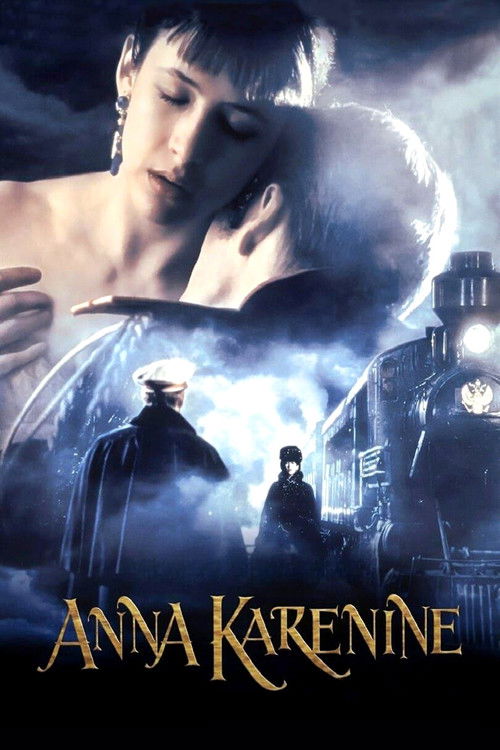
1997
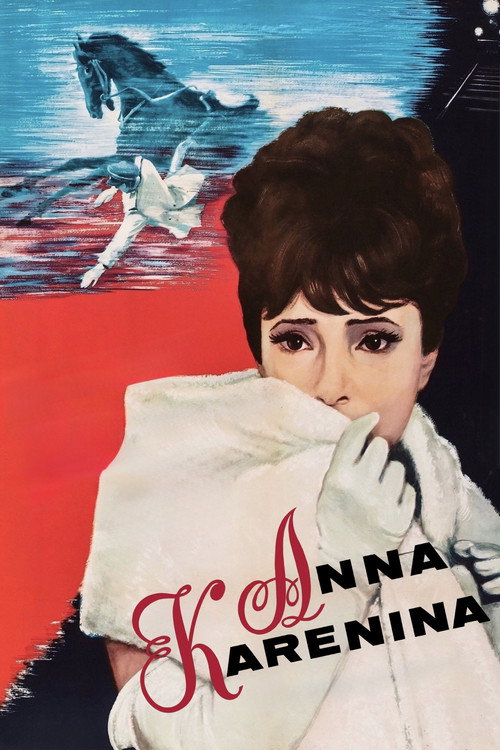
1967
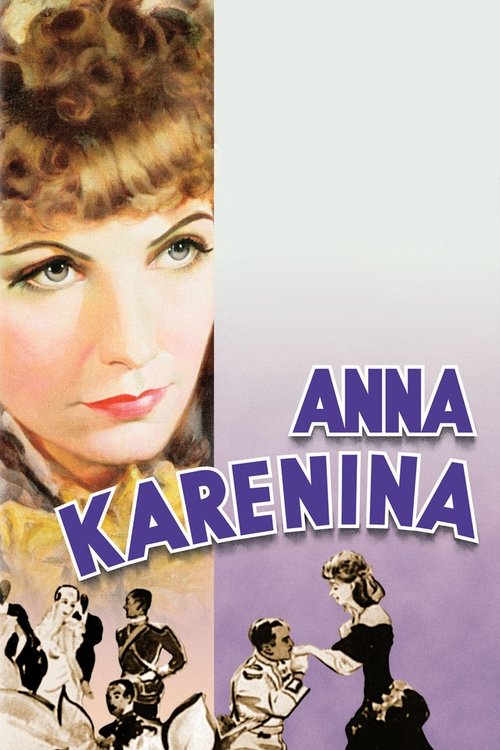
1935
1998

2012

2009
1994
No reviews yet. Be the first to share your thoughts on this movie!
Use the rating form above to leave a star rating and optional review.