
Anna Karenina
1985
No user ratings available yet
Representation score: 2.1 out of 10
Representation Score
Limited
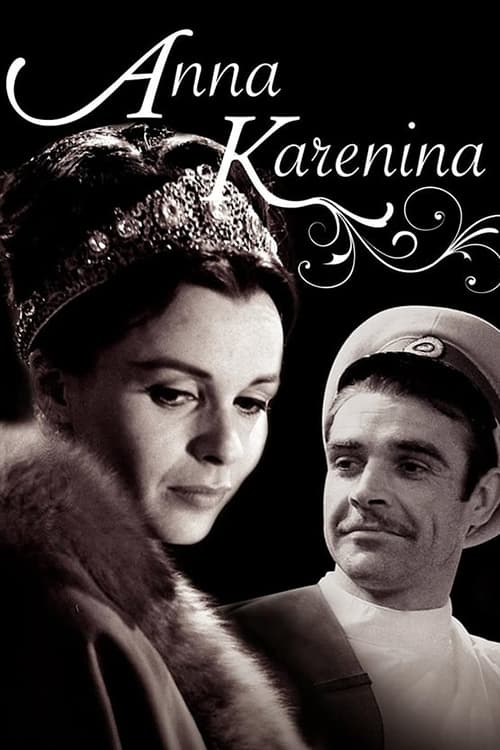
1961
Director
Rudolph Cartier
Runtime
105 minutes
Average Rating
No ratings yetNew Showbiz Analysis
This adaptation of Tolstoy's work effectively critiques social hypocrisy, especially the gendered double standards of Imperial Russia. It uses Anna's fight for autonomy to reveal the rigid and punishing nature of high society. However, the film lacks diversity in almost every other category. The cast is ethnically uniform, and the narrative stays within traditional heterosexual boundaries, offering no representation for LGBTQ+ individuals or people with disabilities.
Category Breakdown
The film focuses solely on heterosexual relationships and traditional marriages. There is no indication of LGBTQ themes or non-binary gender identities.
The movie explores the power dynamics between genders and the double standards of the time. Anna's quest for independence highlights the societal penalties for women's infidelity compared to men.
The cast is ethnically uniform, reflecting the demographics of 19th-century Russian nobility. There is no evidence of diverse casting or cultural intersections.
The production criticizes the hypocrisy of aristocratic and religious social norms. It portrays these institutions as performative and oppressive, used to exclude certain groups.
There are no visible representations of physical or cognitive disabilities among the main characters or supporting cast.
Present on Screen
Limited or Absent
Official Synopsis
In Imperial Russia, Anna, wife of the officer Karenin, goes to Moscow to visit her brother. On the way, she meets charming cavalry officer Vronsky, to whom she's immediately attracted. But in St. Petersburg’s high society, a relationship like this could destroy a woman’s reputation.
1985
1997
1967
1935

2009

2012
1976
1948
No reviews yet. Be the first to share your thoughts on this movie!
Use the rating form above to leave a star rating and optional review.