
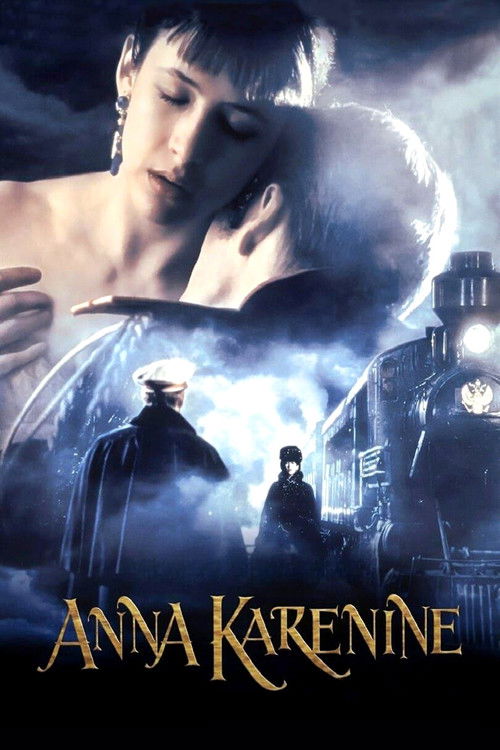
Anna Karenina
2012
No user ratings available yet
Representation score: 3.5 out of 10
Representation Score
Limited
1997
PG-13Director
Bernard Rose
Runtime
108 minutes
Average Rating
No ratings yetNew Showbiz Analysis
Bernard Rose’s adaptation stands out as a psychological study of individual impulses versus societal structures. By emphasizing Anna’s autonomy, the film challenges the passive roles often seen in period dramas, focusing on the conflict between female desire and patriarchal control. However, the film’s historical context limits its representation of LGBTQ+ identities and racial diversity. Its strength lies in its critique of institutionalized social morality, despite its narrow demographic focus.
Category Breakdown
The film centers on heterosexual relationships and marriage, with no indication of LGBTQ+ identities or queer themes.
Anna is shown taking control of her life based on her personal desires, challenging the strict patriarchal structures of Russian society.
The cast primarily consists of white actors, reflecting the homogeneous aristocratic class of Imperial Russia, with no exploration of non-Slavic or non-Anglo-Saxon diversity.
The film highlights the hypocrisy of high society and its performative morality, portraying traditional institutions as oppressive and focused on appearances rather than true virtue.
No characters have visible or invisible disabilities, and there are no plotlines involving physical or mental health issues.
Present on Screen
Limited or Absent
Official Synopsis
In Imperial Russia, Anna, wife of the officer Karenin, goes to Moscow to visit her brother. On the way, she meets charming cavalry officer Vronsky, to whom she's immediately attracted. But in St. Petersburg’s high society, a relationship like this could destroy a woman’s reputation.
2012
2015

1993
1935

1988

1996

2009
1936
No reviews yet. Be the first to share your thoughts on this movie!
Use the rating form above to leave a star rating and optional review.