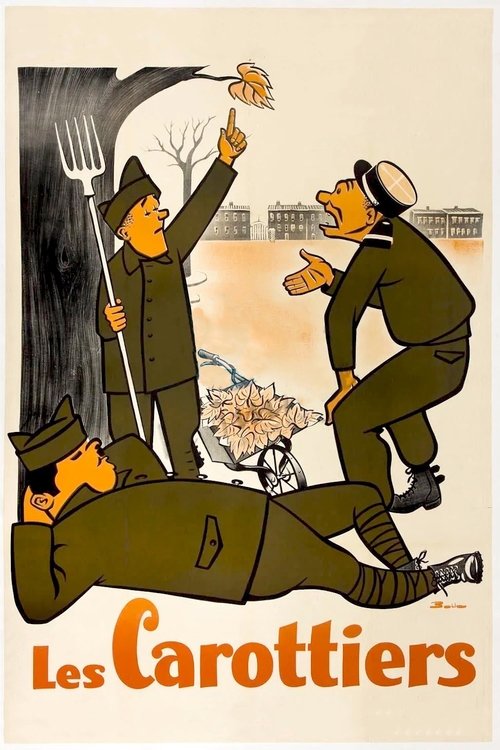
The Chiselers
1931
No user ratings available yet
Representation score: 0.4 out of 10
Representation Score
Minimal
1931
NRDirector
James W. Horne
Runtime
30 minutes
Average Rating
No ratings yetNew Showbiz Analysis
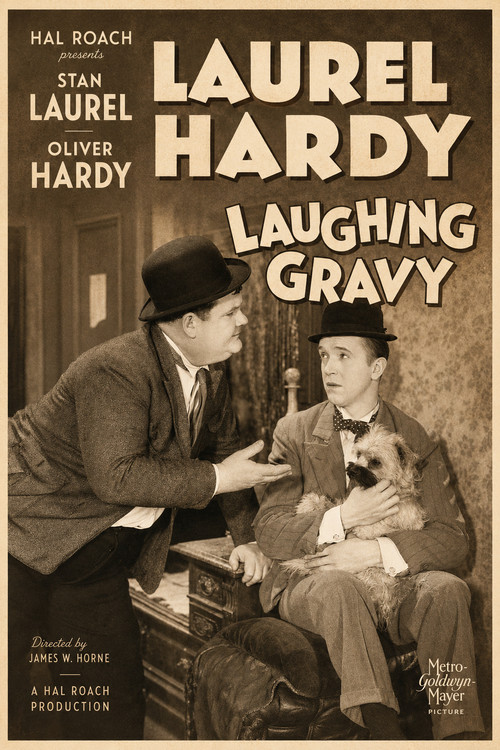
Laughing Gravy is a classic example of early slapstick comedy that prioritizes physical humor over social commentary. The narrative is centered around typical 'everyman' characters, resulting in a highly traditional and homogeneous profile. Since the film lacks a diverse cast and does not explore identity-based power dynamics, it fails to challenge established social hierarchies. Reflecting the standard industry practices of 1931, the film focuses on a singular, male-centric dynamic. Ultimately, the film operates within a narrow demographic scope, offering little to no complexity or representation of varied lived experiences.
Category Breakdown
The film focuses entirely on the comedic partnership between Stan Laurel and Oliver Hardy. It doesn't include any depictions of non-straight or non-cisgender identities or same-sex relationships.
The story lacks female characters, creating a void where women are not represented. It emphasizes a traditional masculine space through physical comedy and domestic chaos.
The cast is made up of white actors in a uniform social setting. There are no non-white or ethnically diverse characters.
The plot revolves around a landlord-tenant relationship and the enforcement of property rules. It functions as a typical comedic setup without addressing cultural or religious diversity.
No characters are shown with visible or invisible disabilities. The slapstick humor does not focus on neurodivergence or chronic illnesses.
Present on Screen
Limited or Absent
Official Synopsis
Stan and Ollie try to hide their pet dog Laughing Gravy from their exasperated, mean tempered landlord, who has a "No Pets" policy.
1931
1931
1929
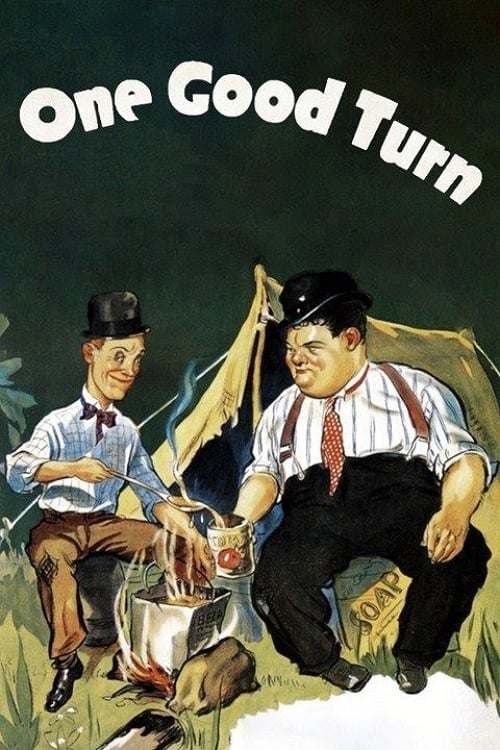
1931
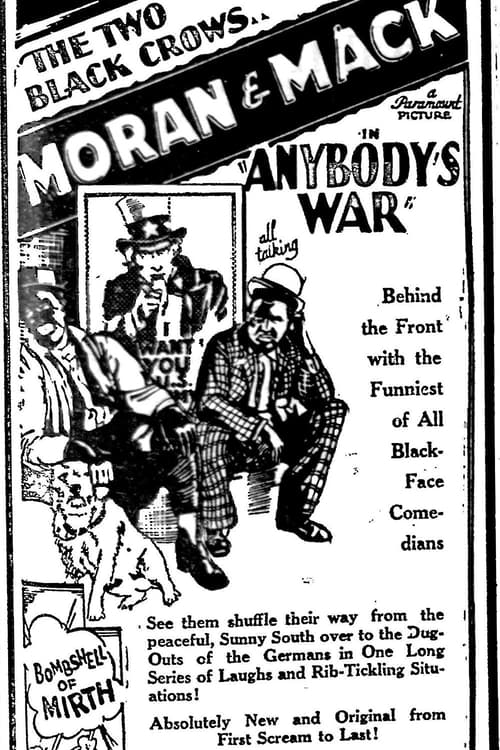
1930
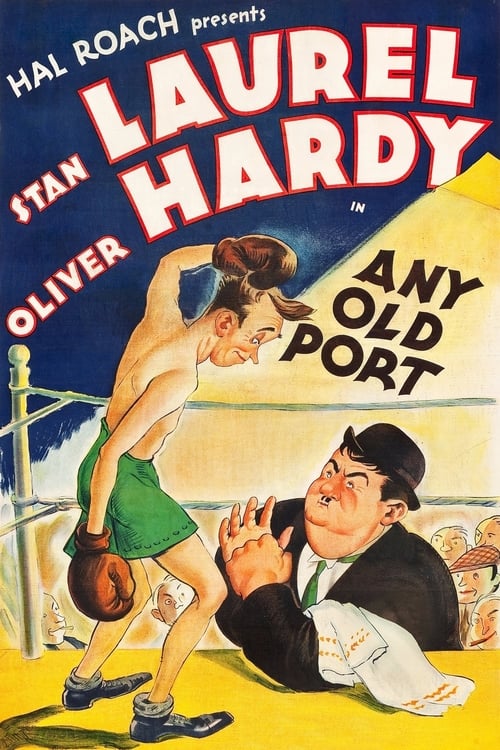
1932

1930

1931
No reviews yet. Be the first to share your thoughts on this movie!
Use the rating form above to leave a star rating and optional review.