Trickster
1981
No user ratings available yet
Representation score: 2.0 out of 10
Representation Score
Fair
1977
Director
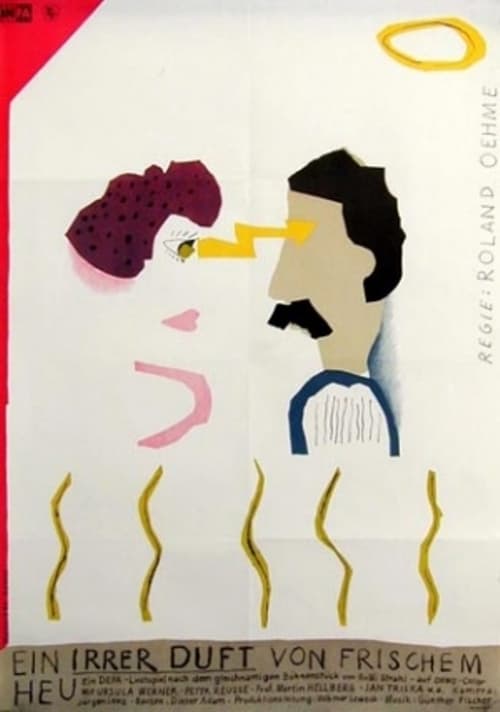
Roland Oehme
Runtime
92 minutes
Average Rating
No ratings yetNew Showbiz Analysis
The film examines the friction between institutions, focusing on the subversion of religious authority over modern identity-based representation. It delves into how secular political figures can challenge established spiritual hierarchies through local folklore and miraculous abilities. While the narrative structure provides a sophisticated critique of social structures, it lacks contemporary diversity in terms of multiple intersecting identities. The focus remains on the regional social dynamics and the tension between the state and the church.
Category Breakdown
The film does not explicitly include LGBTQ+ characters or explore non-straight identities. The plot centers on the tension between secular political leaders and religious authorities.
The main conflict revolves around a traditional masculine power struggle between Mattes Mathias and Pastor Himmelknecht. Although it challenges conventional hierarchies, the gendered nature of the primary tension remains traditional.
Set in a rural Mecklenburg village, the film reflects the demographic uniformity of 1970s East Germany. There is no indication of a multi-ethnic cast or non-European identities.
The film offers a strong critique of religious dominance by pitting a secular leader against the Church. It emphasizes local community life over grand religious narratives.
The film uses the idea of healing the sick as a plot device for miraculous powers rather than exploring disability in depth. There are no character-driven stories about disability.
Present on Screen
Limited or Absent
Official Synopsis
Signs and wonders are said to be happening in Trutzlaff, a small village in Mecklenburg. The party secretary of the local LPG, Mattes Mathias, has the "second face", which has been passed down from generation to generation in his family and is first mentioned in the witches' church chronicle in 1681. This special bond with the church lives on to this day. Mattes engages in a constant but creative competition with Pastor Himmelknecht. But it is not only his weather forecasts that come true every day. With his miraculous powers, Mattes tracks down lost things and heals the sick. Mattes' reputation reaches far beyond the village of Trutzlaff to the district town. A letter from the village cobbler has even reached the Vatican. Both here and there, people have pricked up their ears and want to get to the bottom of the matter. ... The only one who keeps a clear head is Mattes. But then there is "The crazy smell of fresh hay"!
1981
2017
1961
1951
1970
1958
1992

1943
No reviews yet. Be the first to share your thoughts on this movie!
Use the rating form above to leave a star rating and optional review.