
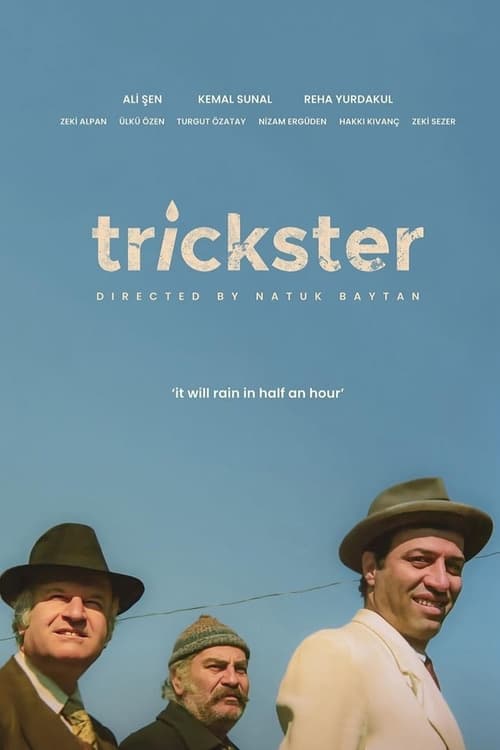
Tokatçı
1984
No user ratings available yet
Representation score: 2.5 out of 10
Representation Score
Limited
1981
Director
Natuk Baytan
Runtime
88 minutes
Average Rating
No ratings yetNew Showbiz Analysis
Trickster primarily functions as social satire rather than an exploration of diverse identities. Its strength lies in using the 'accidental saint' cliché to question the sanctity of traditional institutions and social hierarchies. However, the film falls short in addressing modern diversity standards. It focuses on situational comedy and the cultural friction caused by the diaspora, offering limited representation of underrepresented groups. Ultimately, the film's value lies in its critique of social perception and the gullibility of traditional structures rather than its commitment to diverse character development.
Category Breakdown
The film does not include any non-straight identities or themes related to the LGBTQ+ community. The story revolves around a protagonist readjusting to a traditional village environment.
The plot centers on a male protagonist who navigates patriarchal systems such as inheritance and village leadership. It seems to follow traditional gender roles typical of 1980s regional comedies.
The film examines the tension between a domestic identity and the Westernized identity of a returning immigrant. This cultural conflict serves as a means to explore different social levels.
The story upends expectations of sanctity by focusing on a trickster mistakenly identified as a religious figure. This indicates a skeptical view of traditional religious authority and institutional piety.
There is no information available regarding the portrayal of physical or neurodivergent characters in this work.
Present on Screen
Limited or Absent
Official Synopsis
Rıfkı, who lives in Germany, returns to his village, which he left years ago, to sell the properties inherited from his late father. A few coincidences that occur upon his arrival in the village lead to his name being associated with the 'Saint' title.
1984

1978
1977
2005

1978

2002

1977

2015
No reviews yet. Be the first to share your thoughts on this movie!
Use the rating form above to leave a star rating and optional review.