Find another title
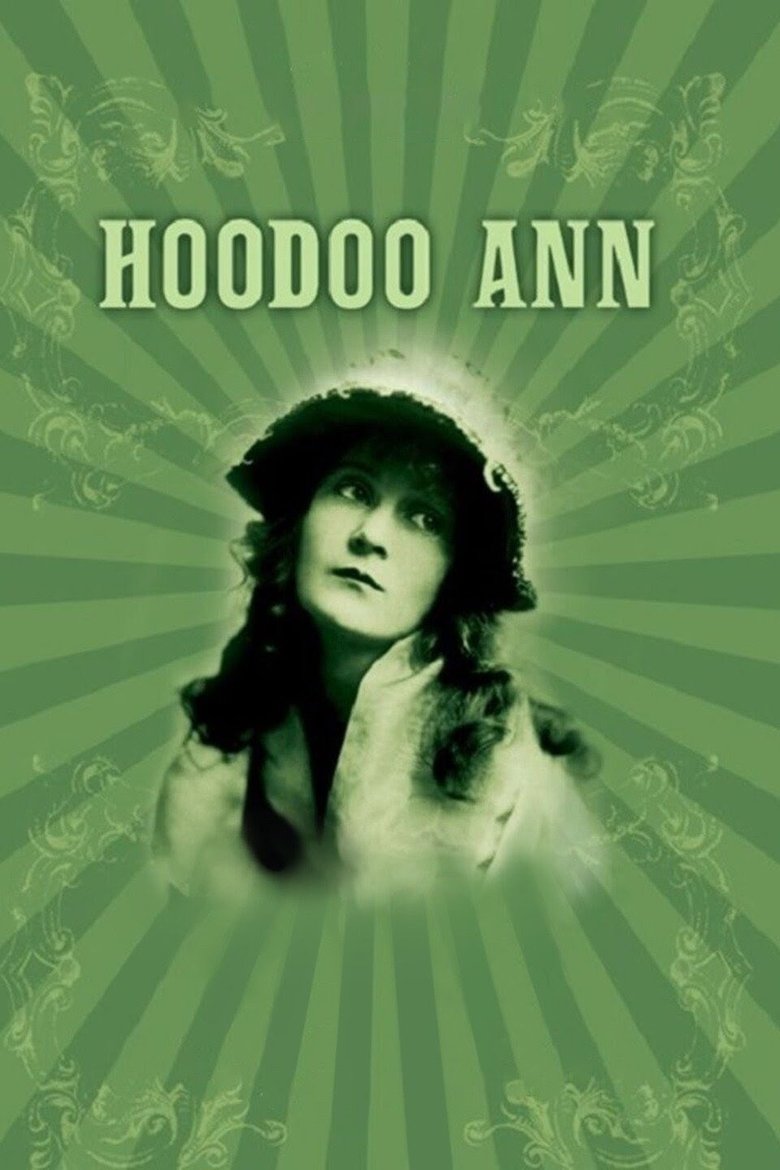
Hoodoo Ann
1916
NRDirector
Lloyd Ingraham
Runtime
65 minutes
Average Rating
No ratings yetSynopsis
A teenage orphan (who believes herself to be "hoodooed") is taken in by a childless couple and quickly falls for the boy next door; Her luck seems to have changed. But the idyll is broken up after a trip to the movies-- It seems the 'hoodoo' has returned after she tries to replicate what she'd seen on the screen.
Where to Watch
Diversity & Representation
Overall Score
Minimal
Category Breakdown
LGBTQ+ Representation
The film lacks any evidence of non-heteronormative identities. The plot centers on a conventional romantic interest between the female protagonist and a boy next door.
Gender Representation
While the story centers on a female protagonist, she is framed through roles of passivity, such as being an orphan. There is no evidence of subverting gender hierarchies.
Racial & Ethnic Diversity
The narrative describes a domestic setting with no mention of non-white or non-Anglo-Saxon characters. It appears to reflect the homogeneous social structures of the 1910s.
Religious & Cultural Diversity
The film explores themes of superstition and domesticity. It focuses on maintaining social and domestic stability rather than engaging in institutional or secular critiques.
Disability Representation
There is no indication of neurodivergence, physical disability, or mental health conditions being addressed as part of a character's identity or agency.
Strengths
- The film provides visibility for a female protagonist at its center.
- It utilizes engaging themes of superstition and fate to drive the narrative.
Areas for Improvement
- The narrative lacks racial and ethnic diversity, appearing quite homogeneous.
- The protagonist is framed through passive roles rather than active agency.
- There is no representation of LGBTQ+ identities or non-heteronormative romance.
- The film lacks any depiction of disability or neurodivergence.
AI Analysis
Hoodoo Ann is a traditional silent-era genre piece that follows a standard orphan-to-family narrative trajectory. The story relies on established tropes of romance and superstition to drive its plot. The film adheres strictly to the social mores of the early 20th century, focusing on domestic stability and conventional romantic structures. It lacks the intersectional complexity or intentional disruption of hierarchies found in more progressive works. Ultimately, the production functions as a standard period piece that reflects the homogeneous social landscape of its time without attempting to subvert existing norms.
Rate this Movie
Reviews
No reviews yet. Be the first to share your thoughts on this movie!
Use the rating form above to leave a star rating and optional review.