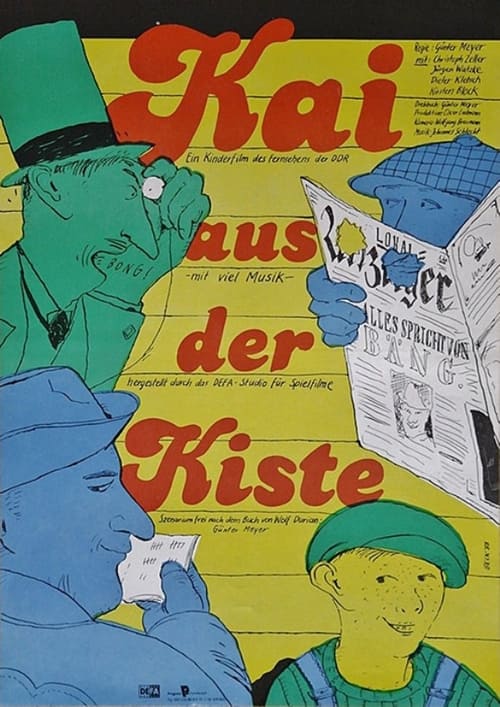
Kai from the Box
1988
No user ratings available yet
Diversity score: 2.8 out of 10
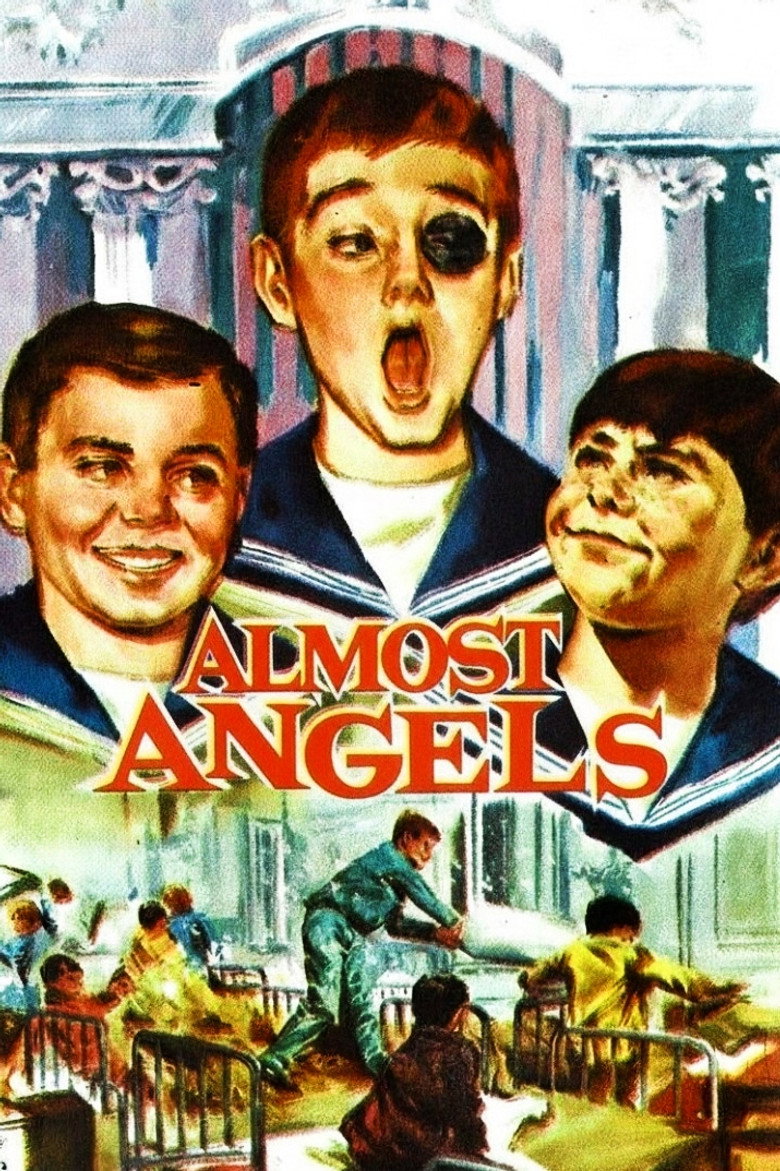
1962
Not RatedDirector
Steve Previn
Runtime
93 minutes
Average Rating
No ratings yetSynopsis
Supported avidly by his mother and more reluctantly at first by his father, a working-class Austrian boy joins the Vienna Choirboys, where he proves to be unusually talented.
Overall Score
Minimal
Category Breakdown
LGBTQ+ Representation
The film operates within a strictly heteronormative framework. It focuses on traditional adolescent courtship and peer dynamics without including LGBTQ+ characters or non-heteronormative identities.
Gender Representation
Roles largely reinforce established social pressures regarding courtship and adolescent gender roles. There is a lack of significant subversion regarding female agency or the deconstruction of masculine leadership.
Racial & Ethnic Diversity
The cast and setting are predominantly homogeneous. The narrative does not utilize color-blind casting or present a diverse ethnic landscape, reflecting the era's demographic norms.
Religious & Cultural Diversity
The film portrays family and community structures through a traditional lens. It lacks critiques of Western institutions and follows a standard, stable social order typical of the genre.
Disability Representation
There are no visible or invisible disabilities portrayed with agency. No characters have identities defined by physical or neurodivergent conditions.
Strengths
Areas for Improvement
AI Analysis
Almost Angels is a quintessential product of its era, prioritizing conventional coming-of-age tropes and homogeneous demographic portrayals. The narrative architecture reinforces rather than disrupts traditional social and cultural hierarchies. The film functions as a period-accurate representation of mid-century Western storytelling. It lacks the intentionality required to challenge systemic norms or provide intersectional depth, sticking instead to established studio standards. Ultimately, the production reflects the demographic constraints and social hierarchies of the early 1960s, offering a stable but narrow view of the social fabric.
No reviews yet. Be the first to share your thoughts on this movie!
Use the rating form above to leave a star rating and optional review.