Sueños de gloria
1953
No user ratings available yet
Representation score: 1.3 out of 10
Representation Score
Minimal
1926
PassedDirector
Albert S. Rogell
Runtime
63 minutes
Average Rating
No ratings yetNew Showbiz Analysis
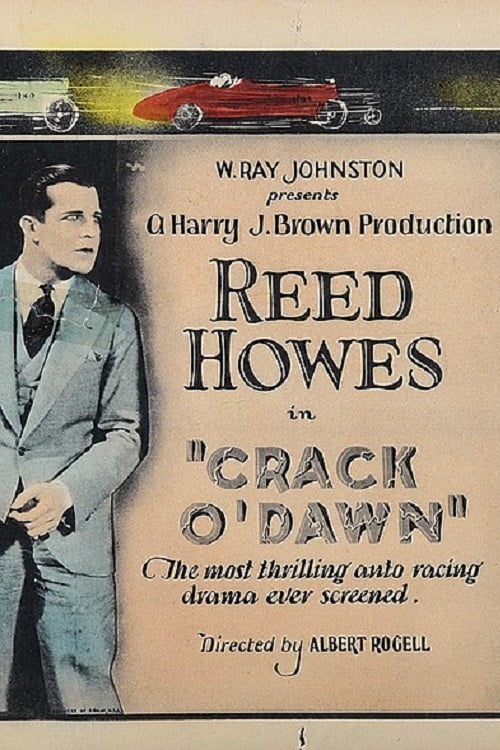
Crack O' Dawn is a product of its era, prioritizing industrial achievement and traditional moral binaries. The plot revolves around automobile manufacturing, corporate rivalry, and the reconciliation of male patriarchs. While the film offers some control to its female lead, the narrative structure remains firmly rooted in established social and economic hierarchies. It lacks representation of diverse racial, ethnic, or LGBTQ+ identities. Ultimately, the film functions as a conventional drama of progress, reinforcing the sanctity of business institutions and traditional family structures.
Category Breakdown
The film focuses on industrial rivalry and familial reconciliation. There is no evidence of non-straight or non-cisgender identities or same-sex intimacy within the narrative.
Etta, the protagonist's daughter, plays a central role in resolving the plot. While she takes control by uniting the rival companies, her actions primarily serve to restore patriarchal stability.
The story centers on competition between two established manufacturing entities. No non-Anglo-Saxon characters or diverse casts are mentioned in the narrative.
The film promotes themes of technological progress and corporate unity. It frames moral conflicts as individual failures rather than systemic critiques of the capitalist framework.
The synopsis provides no information regarding characters with visible or invisible disabilities.
Present on Screen
Limited or Absent
Official Synopsis
The Thompson-Thorpe automobile was once a great car but dissension between the owners led to the break-up of the company, and Thompson and Thorpe have each started their own car-manufacturing company. Not knowing his true identity, Earle Thorpe Jr. has been hired by Henry Thompson to drive his new car in an upcoming race. Unknown to Thompson has two crooked mechanic/engineers on his payroll who plan to make their own car, using Thompson's plans, and win the big race themselves. Etta, Thompson’s daughter, and Earle team up to re-unite Thompson and Thorpe Sr. by taking the best features of both cars and combine them into one super car.
1953
2016
1937
1940
1935
1927
1926
1929
No reviews yet. Be the first to share your thoughts on this movie!
Use the rating form above to leave a star rating and optional review.