
Greystoke: The Legend of Tarzan, Lord of the Apes
1984
No user ratings available yet
Representation score: 2.4 out of 10

Representation Score
Limited
1985
RDirector
John Boorman
Runtime
114 minutes
Average Rating
No ratings yetNew Showbiz Analysis
The Emerald Forest is a sophisticated post-colonial film that reverses the traditional 'civilization vs. savagery' cliché. It presents the industrial world as the source of moral decay and instability. While the film lacks LGBTQ+ and disability representation, it excels by centering indigenous ability to act. The narrative uses the clash between different cultural perspectives to critique Western encroachment. Ultimately, the film's strength lies in its environmentalist and anti-capitalist stance, offering a critique of Western superiority.
Category Breakdown
The film does not include any LGBTQ+ characters or explore non-assuming gender matches what was assigned at birth identities. The story focuses solely on paternal bonds and cultural ties with the protagonist’s adoptive tribe.
The film depicts traditional tribal gender roles that might seem limiting. However, it challenges Western masculine authority by showing the modern man as culturally inept and ineffective.
The film highlights the indigenous Amazonian experience without reducing it to mere tokens. These characters play a significant role in critiquing Western hegemony.
The story critiques Western industrial capitalism and expansionism. It portrays indigenous life as a sophisticated social system that challenges Western definitions of progress.
There is no significant focus on visible or invisible disabilities within the main character arcs.
Present on Screen
Limited or Absent
Official Synopsis
For ten years, engineer Bill Markham has searched tirelessly for his son Tommy who disappeared from the edge of the Brazilian rainforest. Miraculously, he finds the boy living among the reclusive Amazon tribe who adopted him. This is when Bill's adventure truly begins.
1984
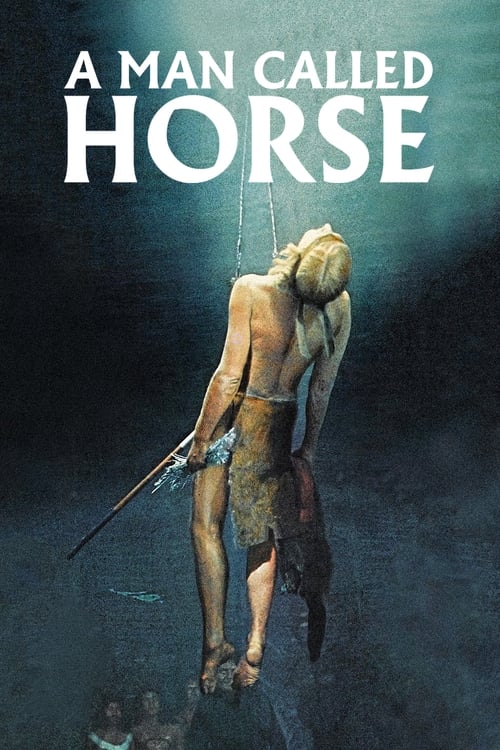
1970
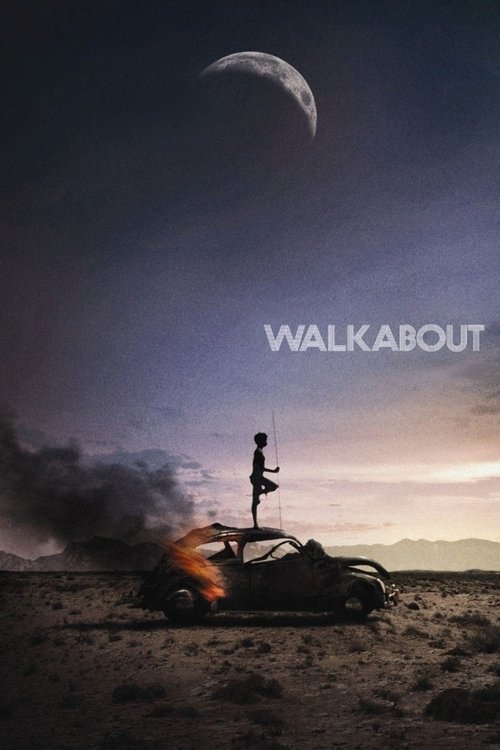
1971
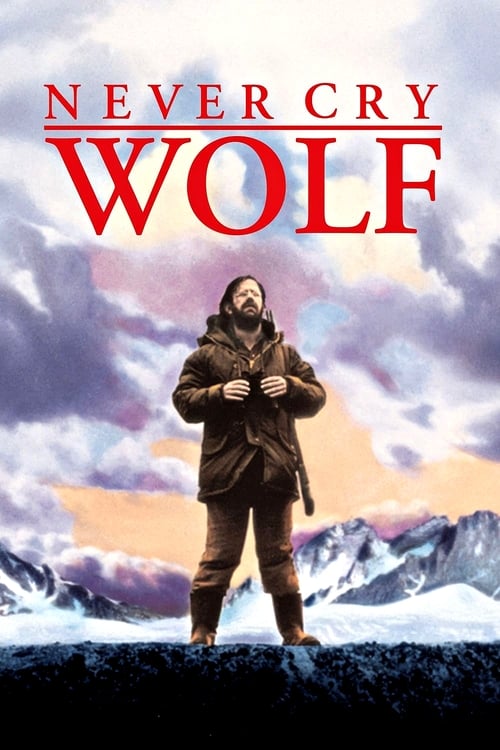
1983
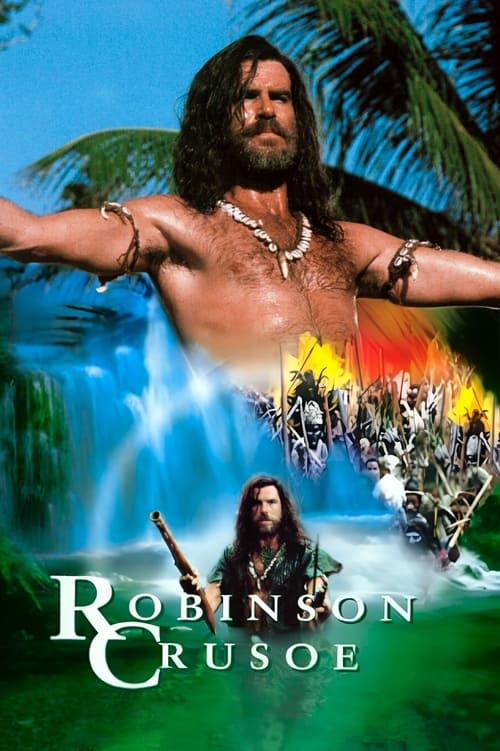
1997
1932
1986

1982
No reviews yet. Be the first to share your thoughts on this movie!
Use the rating form above to leave a star rating and optional review.