The Company of Heroes
2004
No user ratings available yet
Representation score: 3.7 out of 10
Representation Score
Limited
2010
Director
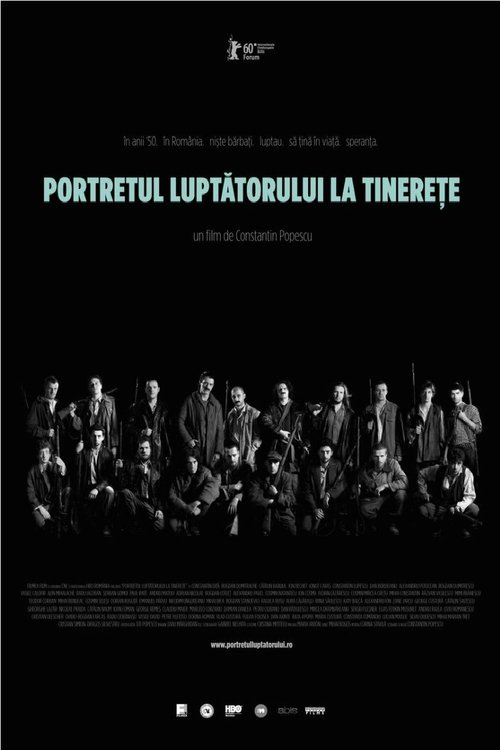
Constantin Popescu Jr.
Runtime
141 minutes
Average Rating
No ratings yetNew Showbiz Analysis
Portrait of the Fighter as a Young Man is a gritty historical reconstruction of Romanian anti-communist resistance. It emphasizes the psychological and physical toll of survival in the Carpathian Mountains rather than contemporary multi-layered themes. The film's narrow focus on a specific, homogeneous historical moment leads to limited representation of gender, race, and LGBTQ+ identities. However, it earns merit through its cultural critique, depicting the Securitate as an oppressive force and providing a meaningful look at individual resistance against state-mandated ideological conformity.
Category Breakdown
The film focuses on the socio-political struggles of mid-20th-century partisan warfare and does not include any LGBTQ+ characters or narratives about non-cisgender identities.
The story centers around a predominantly masculine environment, avoiding traditional damsel-in-distress clichés but lacking women's ability to drive the story within the main group.
The film portrays a largely homogeneous Romanian population, focusing on a specific ethnic and national struggle without showcasing ethnic diversity.
The story challenges Western-aligned narratives by showing state institutions as corrupt. It highlights the struggle of individuals against centralized, totalitarian power.
Characters are defined by their physical ability to survive and fight. There is no focus on neurodivergence or physical disabilities.
Present on Screen
Limited or Absent
Official Synopsis
When the Soviet Army marched into Romania in 1944, a part of the Romanian population went “into the mountains” – a diverse assortment of nationalists and fascists, liberals, apolitical farmers and members of the middle-class, who were affected by the Communists’ expropriations. Over a thousand armed resistance groups took refuge in the inaccessible forests of the Carpathian Mountains where they waited in vain for the support of the Western Allies. One of them was led by Ion Gavrilă-Ogoranu, who managed to remain undetected until 1976 when he was arrested. This film depicts the daily existence of this group. It tells the story of a struggle that became an end in itself, as the enemy was constantly in pursuit and arrest meant torture and often liquidation. Hungry and emotionally withdrawn, the group of young men got entangled in a partisan war that could not be won, lost in the landscape of the South Carpathians, accompanied by a vigilant secret police, the Securitate.
2004
1945
2008
2009
2011
1995
2016
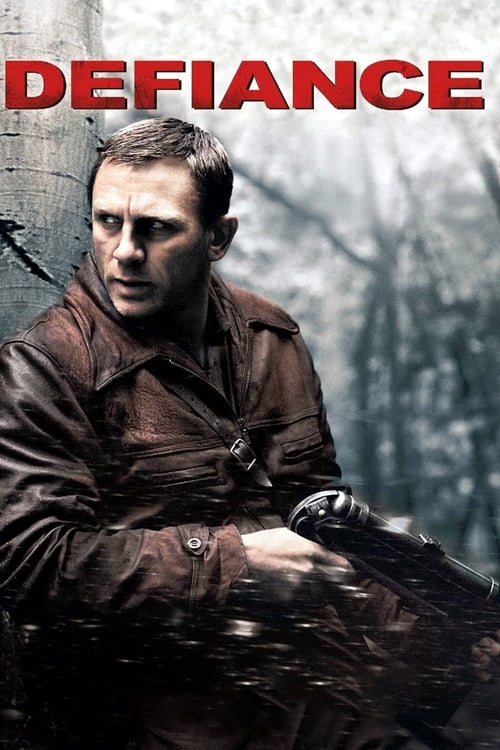
2008
No reviews yet. Be the first to share your thoughts on this movie!
Use the rating form above to leave a star rating and optional review.