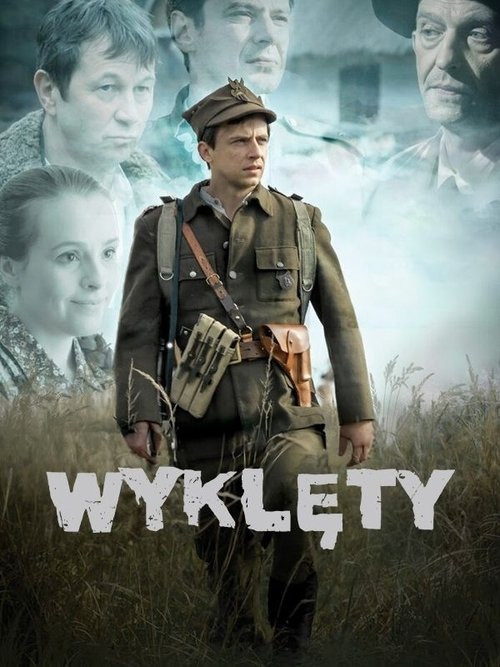
Wyklęty
2017
No user ratings available yet
Representation score: 1.1 out of 10
Representation Score
Limited
2016
Director
Jerzy Zalewski, Andrzej Lelito, Elżbieta Latałło-Górecka
Runtime
133 minutes
Average Rating
No ratings yetNew Showbiz Analysis
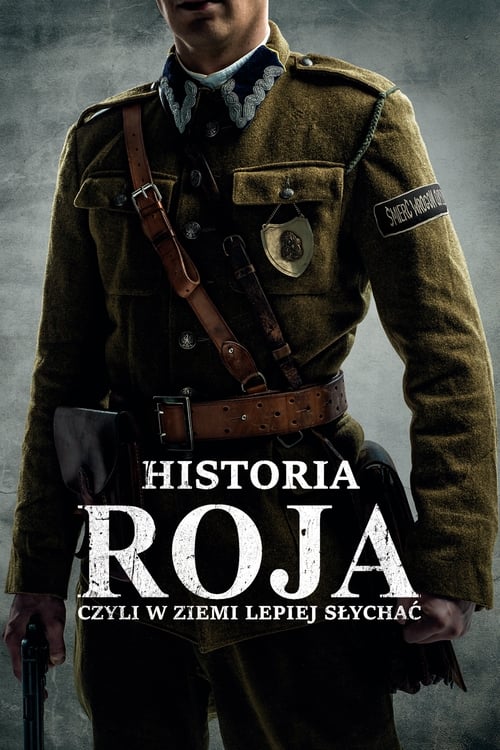
Historia Roja, czyli w ziemi lepieleże w ziemi lepiej słychać is a specialized documentary essay that prioritizes landscape and memory over character-driven demographics. Because it functions as a fragmented exploration of Polish history and the 'red history' of the soil, it lacks the traditional character arcs necessary to showcase LGBTQ+, racial, or disability representation. The film's strength lies in its intellectual approach to cultural history. It avoids simplistic nationalistic myths, instead presenting a morally complex and unsettled view of the past. This makes it a sophisticated piece of cultural commentary, even if it lacks demographic breadth. Ultimately, the work is a study of historical trauma and topography. It is not designed as a vehicle for identity politics, which results in low scores for specific demographic categories despite its high level of cultural sophistication.
Category Breakdown
The film does not feature any LGBTQ+ characters or narratives. It focuses on archival footage and the physical landscape of Poland rather than individual identity politics.
The narrative centers on masculine-coded histories of partisan warfare and state oppression. There is insufficient evidence of women's ability to drive the story or a challenge to gender hierarchies.
The subjects are predominantly homogeneous, reflecting the localized historical context of Poland. The film does not utilize diverse casting to comment on contemporary the way different parts of someone's identity overlap.
The film excels by deconstructing authoritative national histories through a postmodern lens. It engages deeply with the complex, traumatic power dynamics of Eastern European history.
There is no evidence that neurodivergence or physical disabilities are central to the story. The focus stays on sensory perception of the land and historical trauma.
Present on Screen
Limited or Absent
Official Synopsis
In the spring of 1945, the commanding officer of the National Armed Forces in Mazowsze and older brother of 20-year-old Mieczyslaw Dziemieszkiewicz, is assassinated by Soviet soldiers. Mieczyslaw then joins the National Military Union. He becomes the commander of a partisan unit fighting for the next six years to free Poland from Soviet tyranny by terrorizing the UB and its collaborators. Communist authorities will do whatever it takes to track down the "enemy of the people's power."
2017
2014

2020
2014
1987
2012
2011
1981
No reviews yet. Be the first to share your thoughts on this movie!
Use the rating form above to leave a star rating and optional review.