
The Battalion
2015
No user ratings available yet
Representation score: 4.6 out of 10
Representation Score
Minimal
2008
Director
Asko Kase
Runtime
90 minutes
Average Rating
No ratings yetNew Showbiz Analysis
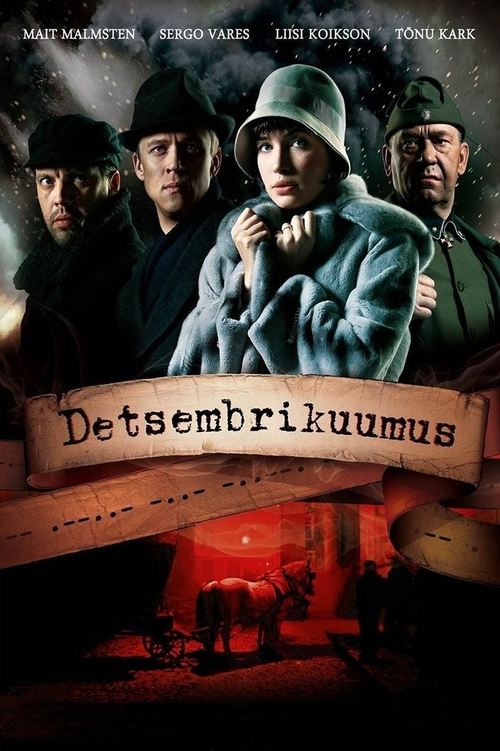
December Heat is a historical drama deeply rooted in Estonian national identity and the specific political tensions of 1924. The film prioritizes historical realism and the defense of sovereignty over the exploration of diverse identities. The narrative follows traditional wartime clichés, centering on a male protagonist while providing a functional, professional role for the female lead. This maintains a period-appropriate gender hierarchy without rendering women entirely passive. Ultimately, the film functions as a study of ethnic nationalism and state survival. It focuses on the preservation of established social structures rather than challenging traditional hierarchies.
Category Breakdown
The film does not include any LGBTQ+ characters or narratives. It focuses on the traditional romantic relationship between Tanel and Anna set during World War I.
While the male soldier drives the action, Anna plays a professional role as a telephone operator. This role allows her to have a functional ability to act and prevents her from being a passive domestic figure.
The story centers around a relatively homogeneous Estonian ethnic group. It reflects the historical context of the 1924 coup without exploring multiculturalism.
The narrative emphasizes national sovereignty and patriotism against an external political threat. It reinforces traditional social structures and the importance of the nation-state during a crisis.
There is no indication that disability, neurodivergence, or chronic illness are addressed as narrative elements or character traits.
Present on Screen
Limited or Absent
Official Synopsis
The young country of Estonia is dancing to the jazzy tune of the 1920's when on December 1, 1924, the capital Tallinn is overrun by members of the Comintern in an attempt to stage a Communist coup. The film follows the fates of a young soldier called Tanel and his wife, a telephone operator named Anna, amidst the ensuing chaos which determines whether the country remains independent or becomes a minor province in the Communist Empire.
2015
1995

2011
2010
2007
2015
2012
2002
No reviews yet. Be the first to share your thoughts on this movie!
Use the rating form above to leave a star rating and optional review.