Portrait of the Fighter as a Young Man
2010
No user ratings available yet
Diversity score: 3.6 out of 10
2011
Director
Waldemar Krzystek
Runtime
80 minutes
Average Rating
No ratings yetSynopsis
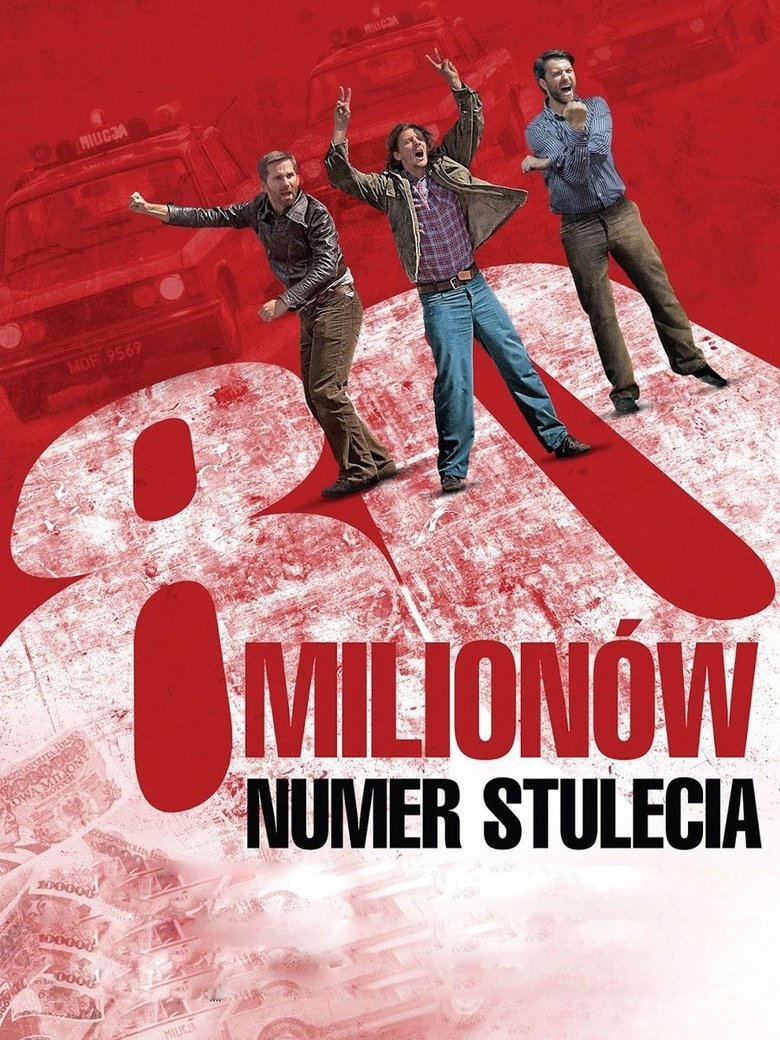
A movie about the power of thousands, the courage of hundreds and friendship of a few, thanks to whom a change of fate of millions became possible. Poland, lower Silesia, the beginning of a very cold winter 1981. After a series of entrapments by the security service a confrontation between the opposition and the communists seems to be inevitable. Just before the proclamation of martial law a group of young solidarity activists decide to play va banque and organize a rash action to take out 80 million of the union money from one of the Wroclaw’s banks before the account is blocked. Security service officers follow their steps. It’s the beginning of a gripping tournament in which also priests and curb dealers will play their parts. Each side has aces up their sleeve.
Overall Score
Fair
Category Breakdown
LGBTQ+ Representation
The film lacks LGBTQ+ characters or narratives addressing non-cisnormative identities. It appears to adhere to the historical social constraints of 1981 Poland.
Gender Representation
The narrative focuses on activists and security officers, roles that often lean toward masculine-coded leadership. There is little explicit detail regarding female agency or intellect.
Racial & Ethnic Diversity
Set in Lower Silesia, the film reflects a homogeneous Polish ethnic identity. It does not provide a multi-ethnic cast, mirroring the demographic reality of the era.
Religious & Cultural Diversity
The story offers a strong critique of state authority and institutional legitimacy. The inclusion of priests suggests a nuanced exploration of religious influence during the struggle.
Disability Representation
There is no mention of characters with visible or invisible disabilities. No information is available to assess how disability is portrayed within the film.
Strengths
Areas for Improvement
AI Analysis
80 Million is a period-specific historical drama that prioritizes political and systemic conflict over modern intersectional identity markers. The narrative architecture is built around the tension between grassroots Solidarity activists and the state-sponsored security services. While the film scores low in contemporary demographic diversity, it achieves high progressive value through its critique of oppressive institutions. It focuses on the redistribution of union funds to bypass state control, highlighting grassroots agency. The film's strength lies in its historical interrogation of authority rather than its representation of diverse social identities. It remains a localized study of a specific Polish epoch.
No reviews yet. Be the first to share your thoughts on this movie!
Use the rating form above to leave a star rating and optional review.