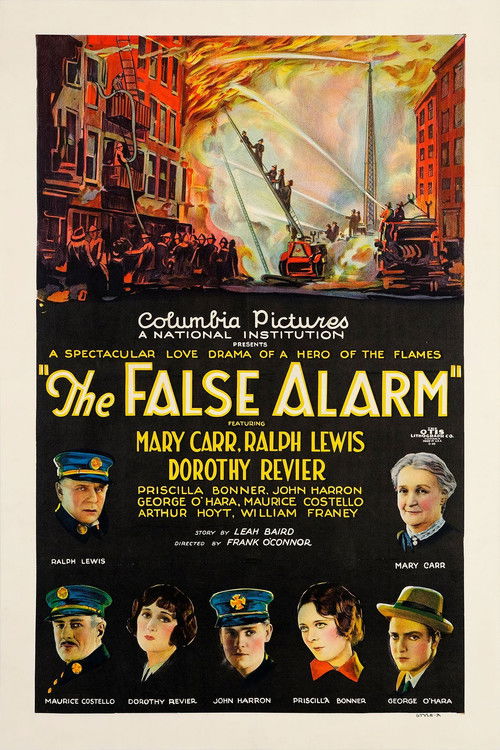
The False Alarm
1926
No user ratings available yet
Representation score: 0.4 out of 10
Representation Score
Minimal
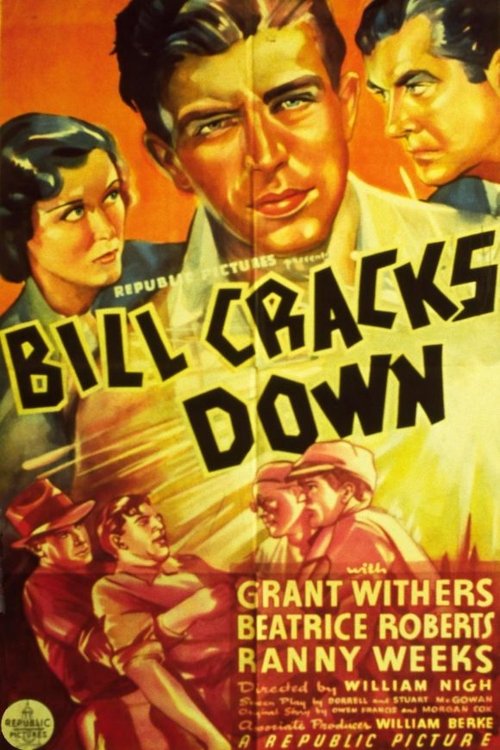
1937
PassedDirector
William Nigh
Runtime
61 minutes
Average Rating
No ratings yetNew Showbiz Analysis
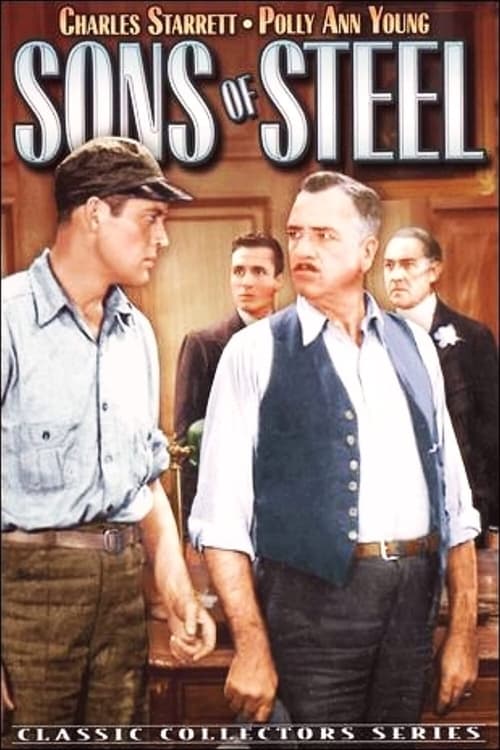
Bill Cracks Down is a product of the 1937 studio system, functioning as a traditional period piece. The narrative is built around reinforcing established social and gender hierarchies rather than challenging them. The film's primary focus is the reinforcement of conventional masculinity and the preservation of industrial capitalism. This creates a narrow worldview centered on patriarchal lineage and industrial strength. Ultimately, the work offers minimal disruption to the status quo of its era, prioritizing a standard moral binary and homogeneous casting typical of the period.
Category Breakdown
The film does not include any explicitly LGBTQ+ characters or storylines. The heir's dandified appearance seems to be a traditional character type rather than a representation of a queer identity.
The story emphasizes a strict masculine coming-of-age journey. It reinforces traditional gender roles by highlighting the shift from perceived weakness to industrial strength.
The film focuses on a family conflict within a steel magnate's household. There is no indication of a diverse cast or non-Anglo-Saxon representation.
The plot upholds traditional Western values related to class and labor. It reinforces patriarchal authority through the lens of a father's posthumous command and industrial legacy.
There is no information available regarding the portrayal of characters with physical or neurodivergent disabilities.
Present on Screen
Limited or Absent
Official Synopsis
William Reardon, a steel magnate, dies and leaves a strange will. When his spineless and dandified heir and son returns home from living in Paris, he finds "Tons' Walker, a strong and burly steel worker running the company, per his late-father's will request. He also finds that his father's will specifies the Junior will change his name to Bill Hall and work in the family steel mill for a year under the fake name. Walker's job is to make a man out of the son. The son is not overjoyed by this prospect. Neither is Walker.
1926

1947
1938
1929
1934

1933
1927
1936
No reviews yet. Be the first to share your thoughts on this movie!
Use the rating form above to leave a star rating and optional review.