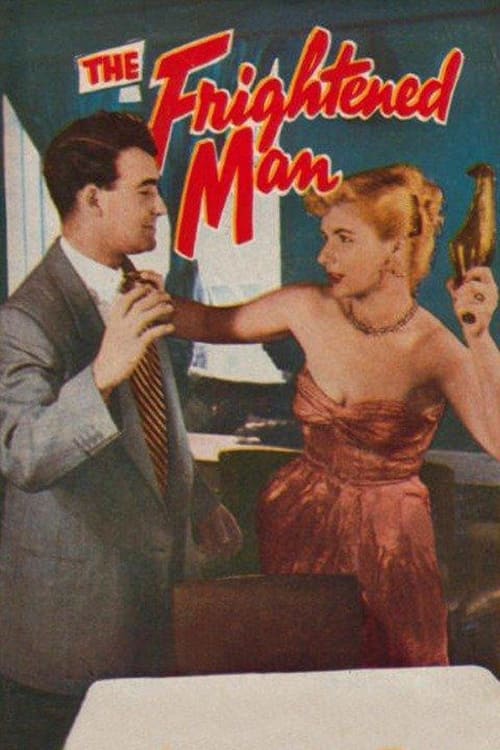
The Frightened Man
1952
No user ratings available yet
Representation score: 2.2 out of 10
Representation Score
Limited
1959
NRDirector
J. Lee Thompson
Runtime
96 minutes
Average Rating
No ratings yetNew Showbiz Analysis
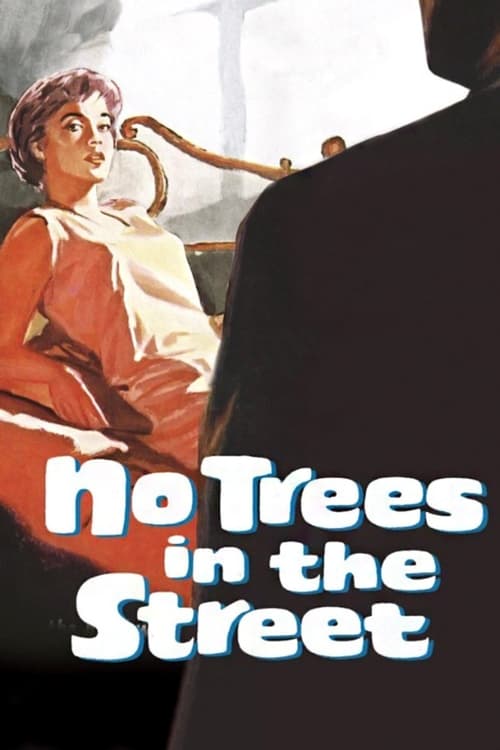
No Trees in the Street is a gritty social realist drama that prioritizes class critique over demographic breadth. While it effectively deconstructs the 'ideal' family through the lens of poverty, the narrative remains heavily centered on male-driven conflict and traditional social structures. The film's strength lies in its engagement with systemic economic oppression. By linking the protagonist's criminal descent to the worldwide depression and squalid living conditions, it moves beyond simple morality tales to examine how economic environments shape human behavior. However, the work lacks multi-layered depth. The focus on a specific era of English history results in a lack of racial, gender, and LGBTQ+ diversity, making the social commentary feel narrow in its demographic scope.
Category Breakdown
The film does not include any LGBTQ+ characters or narratives that challenge the assumption that everyone is straight or cisgender. Instead, it focuses on socio-economic pressures within traditional familial structures.
The story is primarily driven by male characters, including the protagonist and antagonist. The family unit serves as a backdrop for moral decay rather than a site for challenging gender hierarchies.
The narrative reflects the demographic homogeneity of pre-WWII England. It adheres to the Anglo-centric social realism common to 1950s British crime dramas.
The film provides a strong critique of systemic issues by framing crime as a byproduct of economic instability. It highlights how poverty and local power dynamics create oppressive environments.
There are no visible or invisible disabilities mentioned in the narrative. No characters are identified as having neurodivergent or physical disabilities.
Present on Screen
Limited or Absent
Official Synopsis
Based on the play by Ted Willis, the film is set in the years just before World War II, when England hadn't completely dug itself out of the worldwide depression. Melvyn Hayes is featured as an aimless teenager, who tries to escape his squalid surroundings by entering a life of crime. He falls in with local hoodlum Herbert Lom, who holds the rest of the slum citizens in the grip of fear including Hayes' own family. No Trees in the Street chronicles Hayes' sordid progress from nickel-and-dime thefts to murder.
1952
1950
1952
1949

1952

1949

1949
1948
No reviews yet. Be the first to share your thoughts on this movie!
Use the rating form above to leave a star rating and optional review.