
One Girl's Confession
1953
No user ratings available yet
Representation score: 1.1 out of 10
Representation Score
Fair
1956
NRDirector
Edward L. Cahn
Runtime
87 minutes
Average Rating
No ratings yetNew Showbiz Analysis
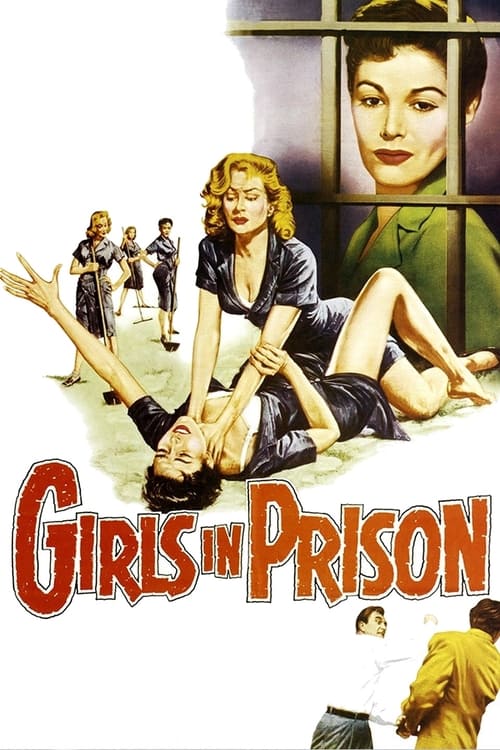
Girls in Prison functions as a mid-century genre piece that provides a rare study of female-centric power dynamics. By removing male characters from the primary hierarchy, the film allows for an exploration of female solidarity and rivalry. However, the film is heavily limited by the era's social constraints. The lack of racial, LGBTQ+, and disability representation prevents the narrative from achieving any significant multi-layered complexity. While the film offers a critique of systemic corruption and institutional injustice, its overall impact is dampened by a homogeneous cast and traditional social clichés.
Category Breakdown
The film focuses entirely on heterosexual and cisgender social structures. There is no depiction of non-straight or non-cisgender identities or same-sex relationships.
The narrative centers on women's ability to drive the story and leadership within a closed system. However, character motivations remain tied to mid-century clichés and patriarchal legal frameworks.
The cast is predominantly homogeneous, reflecting 1956 casting norms. The film lacks significant minority representation or multi-layered depth in its primary ensemble.
The story critiques the potential for corruption within Western judicial institutions. It frames inmate resistance as a response to systemic injustice and institutional error.
There is no meaningful portrayal of physical or neurodivergent disabilities. Characters are defined by legal status and socioeconomic background rather than lived disability experiences.
Present on Screen
Limited or Absent
Official Synopsis
An inmate is persuaded to take part in a prison break by cellmates anxious to cash in on loot they believe she has hidden.
1953
1958

1951

1947

1955

1966
1958
1960
No reviews yet. Be the first to share your thoughts on this movie!
Use the rating form above to leave a star rating and optional review.