The Fox Hunt
1938
No user ratings available yet
Diversity score: 2.1 out of 10

1957
Director
William T. Hurtz, Frank Capra
Runtime
54 minutes
Average Rating
No ratings yetSynopsis
Professor Frank Baxter and some animated friends answer questions about blood. what makes it red? Why do little animals' hearts beat so quickly? And so much more.
Overall Score
Limited
Category Breakdown
LGBTQ+ Representation
The film focuses strictly on hematology and biological processes. It lacks any narrative framework to explore sexual orientation or non-cisnormative gender identities.
Gender Representation
Scientific authority is centered on Professor Frank Baxter, a male figure. This reinforces mid-century hierarchies by placing intellectual expertise solely within a male protagonist.
Racial & Ethnic Diversity
The production reflects the demographic homogeneity of 1950s instructional media. It lacks diverse ethnic perspectives, focusing instead on a universalized biological approach.
Religious & Cultural Diversity
The film promotes a Western, empirical approach to science. It reinforces traditional academic authority and the standard teacher-student dynamic without challenging institutional norms.
Disability Representation
The content focuses on physiological functions rather than character-driven arcs. There is no evidence of neurodivergence or physical disabilities being portrayed.
Strengths
Areas for Improvement
AI Analysis
Hemo the Magnificent is a functional, pedagogical animation that prioritizes scientific instruction over character development. It serves as a standard medium for mid-century institutional education, reflecting the social constraints of 1957. The film operates within established social hierarchies, offering no subversion of traditional roles. Its focus on biological universality results in a lack of intersectional representation or diverse perspectives. Ultimately, the work is a utilitarian tool for teaching hematology. It lacks the narrative intentionality required to address or challenge identity-based social structures.
1938

1959
1956

1980
1943
1947
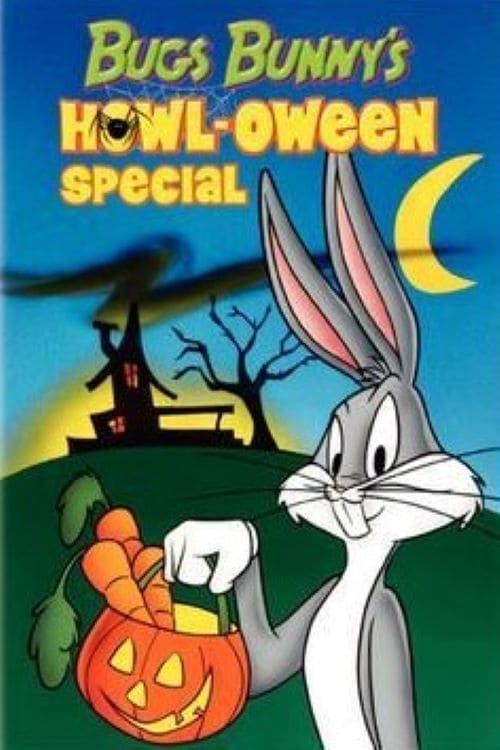
1977
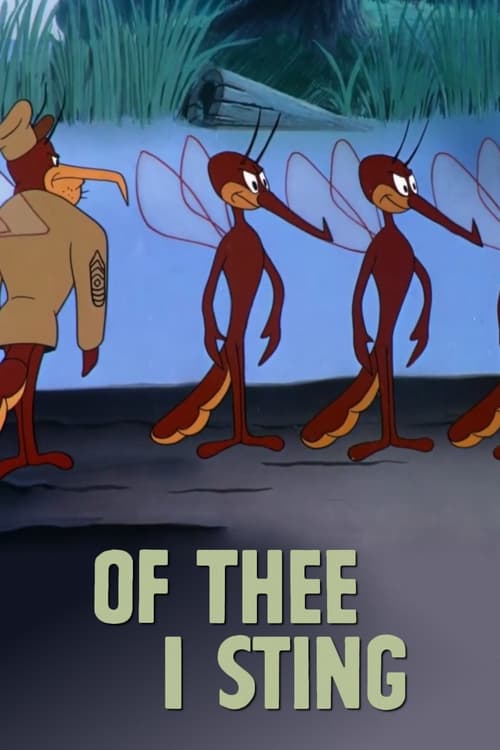
1946
1965
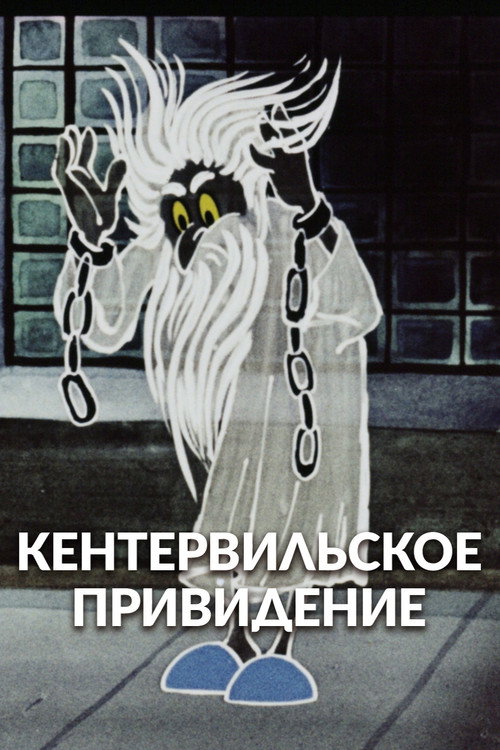
1970
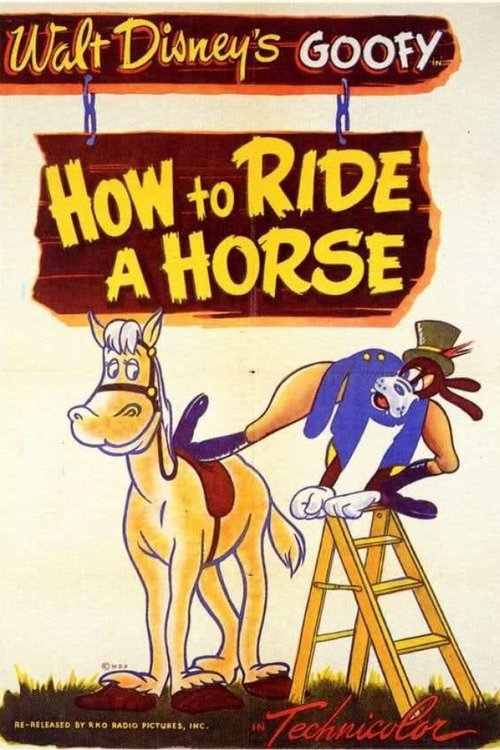
1947
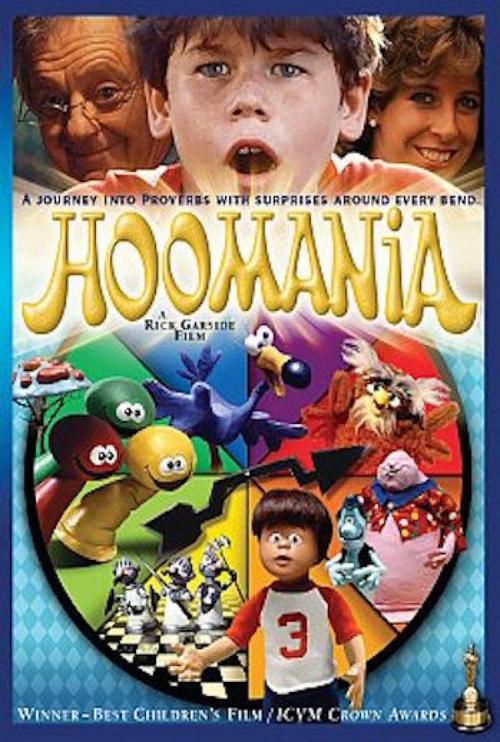
1985
No reviews yet. Be the first to share your thoughts on this movie!
Use the rating form above to leave a star rating and optional review.