Granpa
1989
No user ratings available yet
Representation score: 3.1 out of 10
Representation Score
Limited
1959
GDirector
David Piel
Runtime
7 minutes
Average Rating
No ratings yetNew Showbiz Analysis
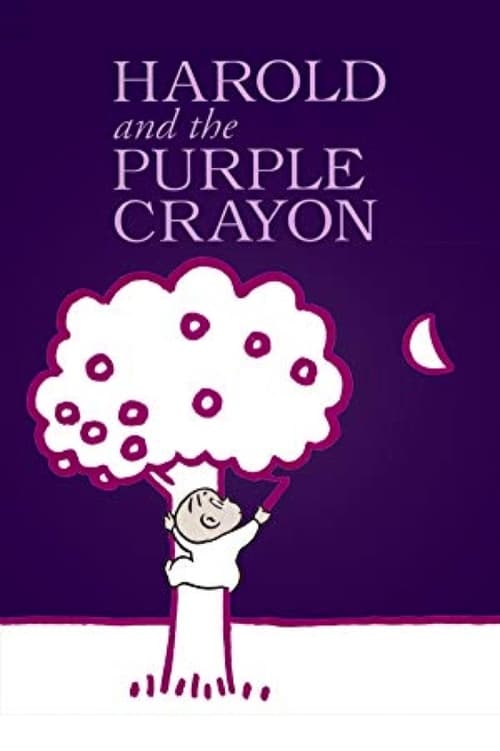
Harold and the Purple Crayon is a foundational piece of children's animation that prioritizes individual imagination over social complexity. The narrative is driven by a single protagonist and his magical tool, limiting opportunities for diverse representation. As a product of 1959, the film adheres to the storytelling norms of its time, lacking the intentional demographic diversity and complex character dynamics found in modern animation.
Category Breakdown
The story centers on a solitary child protagonist. There is no depiction of same-sex relationships or non-binary gender identities.
The film focuses on a male protagonist. It lacks female characters who play significant roles or challenge traditional gender roles.
The narrative follows homogeneous casting patterns typical of 1950s Western animation. There is no evidence of a diverse, multi-ethnic cast.
The film emphasizes individual creativity and the protagonist's internal world. It stays within the bounds of traditional family-oriented storytelling.
There is no documented evidence regarding the portrayal of neurodivergence or physical disabilities in this work.
Present on Screen
Limited or Absent
Official Synopsis
This is the ingeniously imaginative story of a small boy who, with his magic crayon, draws himself in and out of a series of adventures.
1989
1989
1971

1957
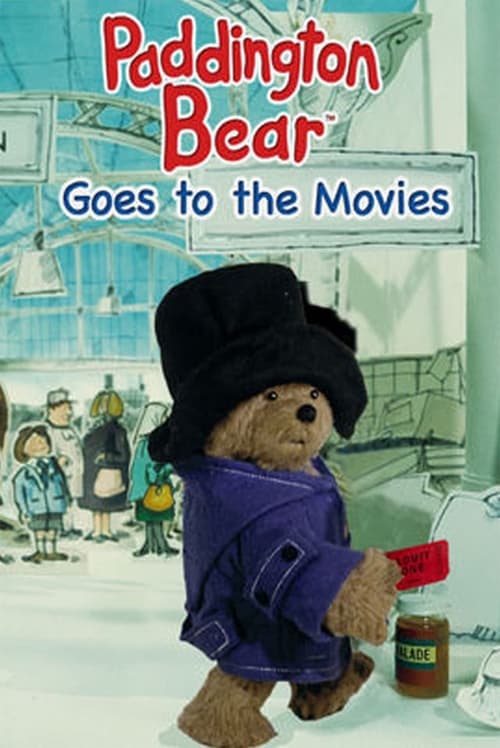
1980
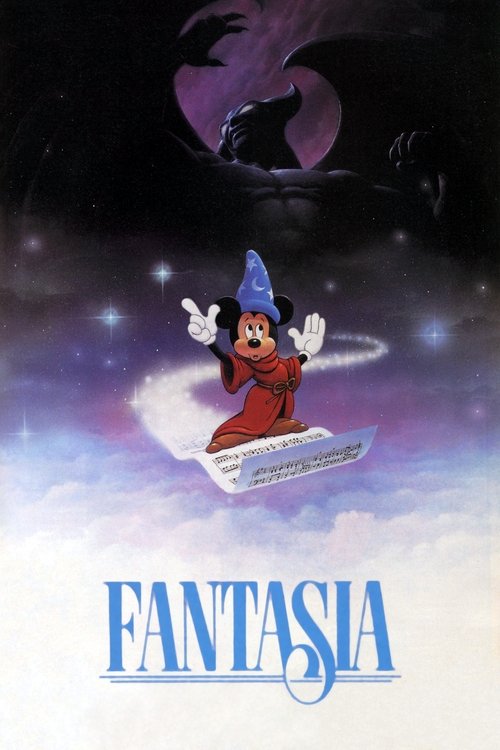
1940
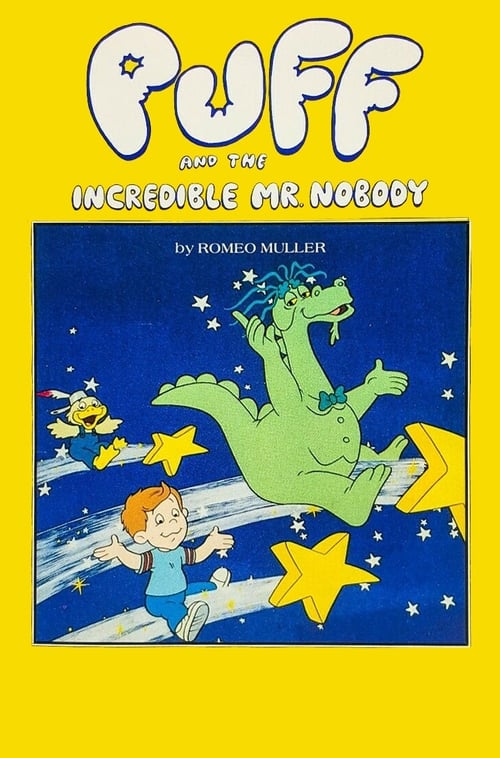
1982
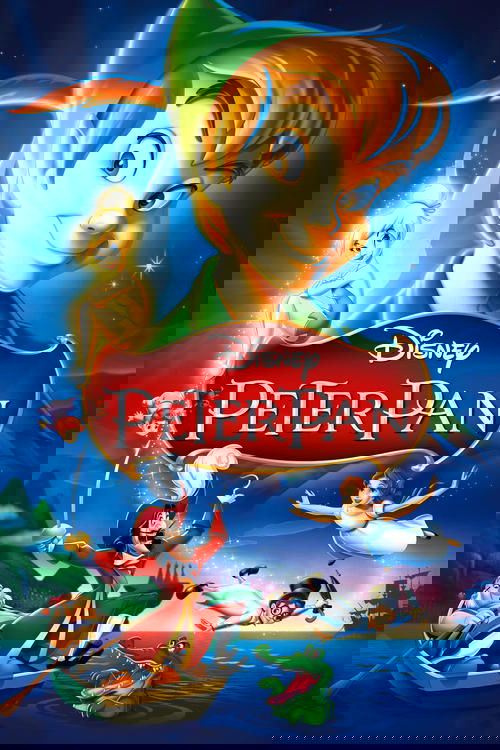
1953
No reviews yet. Be the first to share your thoughts on this movie!
Use the rating form above to leave a star rating and optional review.