The Pink Tail Fly
1965
No user ratings available yet
Representation score: 0.1 out of 10
Representation Score
Minimal
1946
Director
Friz Freleng
Runtime
7 minutes
Average Rating
No ratings yetNew Showbiz Analysis
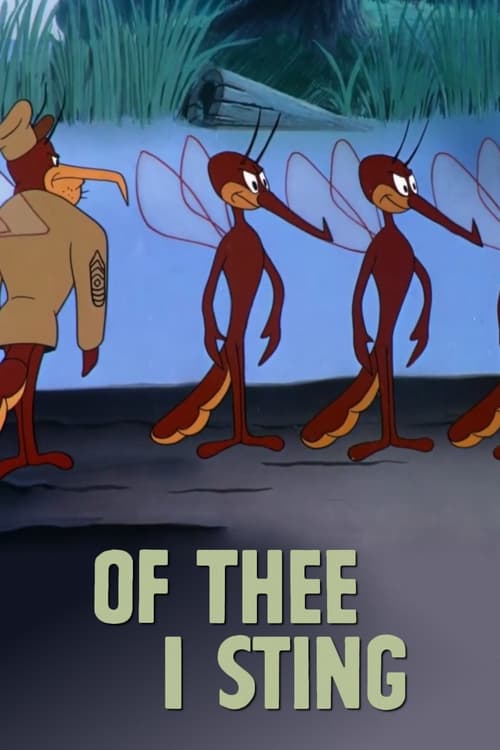
Of Thee I Sting is a product of the Golden Age of American animation, prioritizing kinetic energy and gag-driven storytelling. The narrative structure centers on rhythmic timing and physical humor rather than complex character development or sociopolitical discourse. The film operates within traditional comedic frameworks of the mid-1940s. It does not attempt to challenge social hierarchies or introduce perspectives that reflect multiple aspects of identity, serving instead as a historical artifact of traditionalist entertainment. Because the characters are anthropomorphic, the film avoids many human social dynamics, but it also fails to provide any meaningful representation of diverse identities.
Category Breakdown
The film does not include any LGBTQ+ characters or romantic subplots. The story focuses solely on musical performances and humorous interactions between anthropomorphic animals.
Characters are anthropomorphic animals, which avoids traditional human gender roles. However, the film does not challenge gender norms or present nuanced feminine empowerment.
The short features a stylized environment with anthropomorphic animals. There is no intentional racial or ethnic diversity or the use of species as ethnic metaphors.
The film parodies musical theater without engaging in systemic critiques of Western institutions. It prioritizes slapstick and musical motifs over moral relativism or anti-establishment themes.
There are no depictions of characters with visible or invisible disabilities. Physical humor relies on cartoon physics rather than the lived experience of impairment.
Present on Screen
Limited or Absent
Official Synopsis
A mosquito army trains for, then goes on, an attack mission.
1965
1969

1950

1955
1954
1964
1940
1941
No reviews yet. Be the first to share your thoughts on this movie!
Use the rating form above to leave a star rating and optional review.