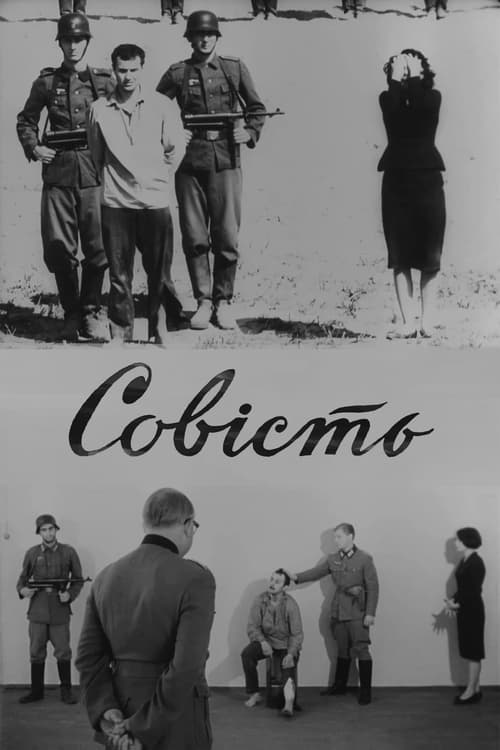
Conscience
1968
No user ratings available yet
Representation score: 4.5 out of 10
Representation Score
Fair
1967
Director
Yuliya Solntseva
Runtime
118 minutes
Average Rating
No ratings yetNew Showbiz Analysis
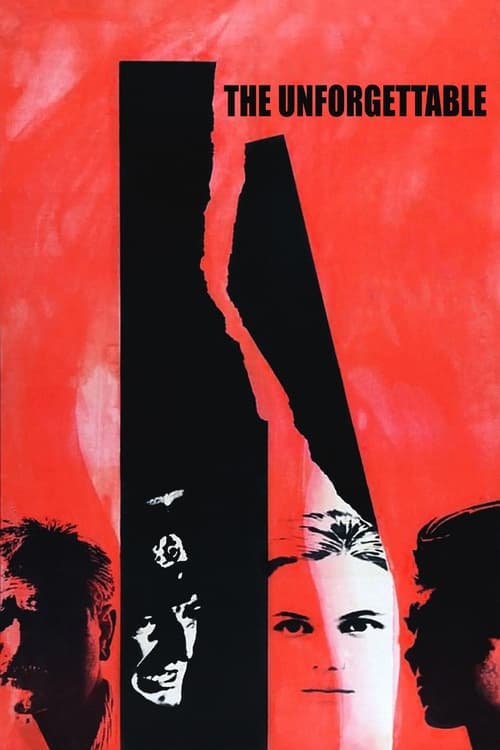
The Unforgettable is a product of Socialist Realism, emphasizing collective resilience and state-sanctioned heroism. It successfully portrays a multi-ethnic mosaic of Soviet nationalities and grants women a significant role in driving the story in combat and resistance roles. However, the film operates within a rigid moral and social framework. It lacks any representation of LGBTQ+ identities or neurodivergent characters, and disability is only used as a tool to illustrate the horrors of war. Ultimately, the film's strength lies in its depiction of diverse ethnic cooperation and women's ability to drive the story, while remaining tied to traditionalist and state-driven ideological structures.
Category Breakdown
The film adheres to 1960s Soviet cinematic norms. There is no evidence of non-assuming gender matches what was assigned at birth identities or same-sex intimacy, focusing instead on straight-centered romanticism.
Women are shown as active participants in survival, working as partisans and nurses. They have significant influence beyond traditional domestic roles.
The casting reflects the multi-ethnic makeup of the Soviet Union, highlighting Ukrainian and Russian identities among others. It presents a diverse range of identities united by shared struggles.
The narrative emphasizes secular values and state-aligned ethics over religious morality. It frames the struggle through collective survival rather than individualistic or Western-centric hierarchies.
There is no intentional focus on disability. Physical trauma is used primarily to highlight the brutality of war, rather than to explore complex individual identities.
Present on Screen
Limited or Absent
Official Synopsis
About hardships of the first years of War, which fell to the lot of ordinary people in Ukraine, who got under the yoke of fascist occupation, and heroic struggle against the invaders. A young Russian woman asks a Red Army soldier to spend the night with her in the wake of the Nazi invasion. Fearing she may soon perish, the woman hopes for one night of romance before what could be a horrible demise.
1968
1977
1978

1959
1945
2015
1961
1974
No reviews yet. Be the first to share your thoughts on this movie!
Use the rating form above to leave a star rating and optional review.