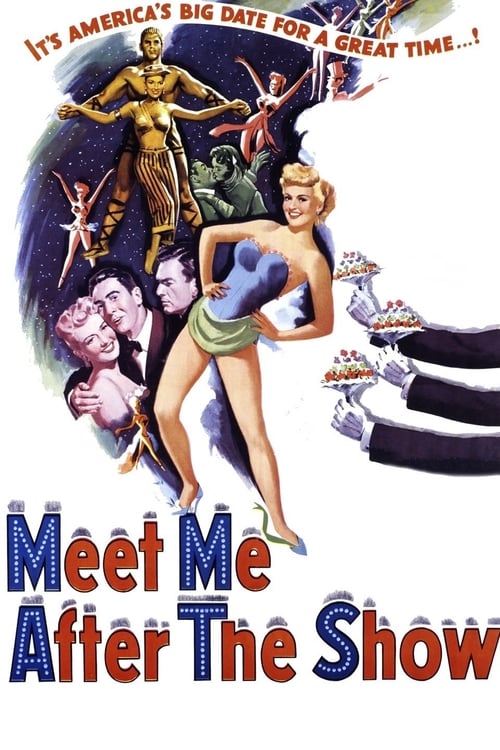
Meet Me After the Show
1951
No user ratings available yet
Representation score: 1.3 out of 10

Representation Score
Minimal
1939
NRDirector
Mark Sandrich
Runtime
85 minutes
Average Rating
No ratings yetNew Showbiz Analysis
Man About Town is a classic example of its era, functioning as a conventional romantic comedy. The narrative depends on established social hierarchies and mid-century norms to drive its plot of jealousy and social maneuvering. The film does not aim to challenge cultural norms, instead presenting a standard view of Western social dynamics. It upholds traditional institutions of family and class without offering alternative perspectives. Ultimately, the work captures the storytelling style of the 1939 studio era, where character motivations are closely tied to heterosexual romance and maintaining social status.
Category Breakdown
The film focuses solely on heterosexual relationships and marital jealousy. There is no representation of LGBTQ+ identities or critiques of traditional relationship structures.
Women use their influence to shape their lives and those of their husbands. However, men maintain authority, reinforcing traditional gender roles.
The story centers around a typical Anglo-Saxon social setting. There is no indication of a diverse cast or deviation from the homogeneous casting standards of the time.
The narrative operates within a traditional Western context, highlighting the lifestyle of the wealthy. It reinforces social hierarchies and class dynamics without challenging them.
The film does not depict or mention any characters with visible or invisible disabilities.
Present on Screen
Limited or Absent
Official Synopsis
Producer Bob Temple, who's brought an American show to London, loves his star Diana, but she won't take him seriously as a lover. To show her, he picks up stranger Lady Arlington, whose financier husband neglects her. On a weekend at the Arlington country house, Bob is used by both Lady A. and her friend to make their husbands jealous; this works all too well, and Bob is in danger from both husbands.
1951
1933
1934
1935

1935
1948
1933
1937
No reviews yet. Be the first to share your thoughts on this movie!
Use the rating form above to leave a star rating and optional review.