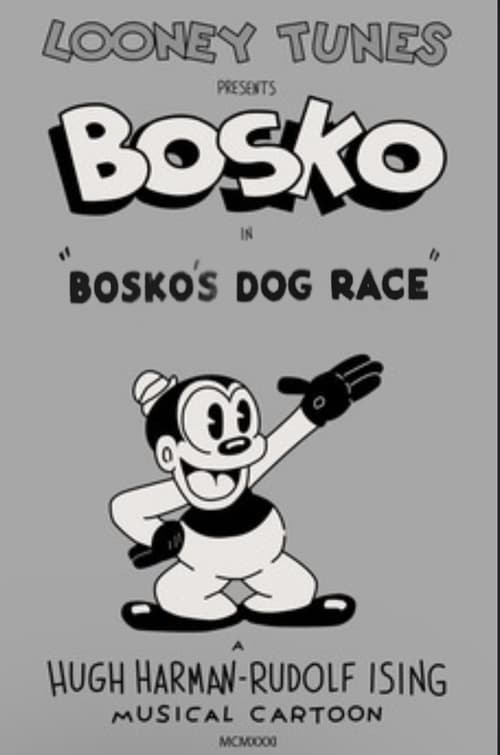
Bosko's Dog Race
1932
No user ratings available yet
Representation score: 0.3 out of 10
Representation Score
Minimal
1931
Director
Hugh Harman
Runtime
7 minutes
Average Rating
No ratings yetNew Showbiz Analysis
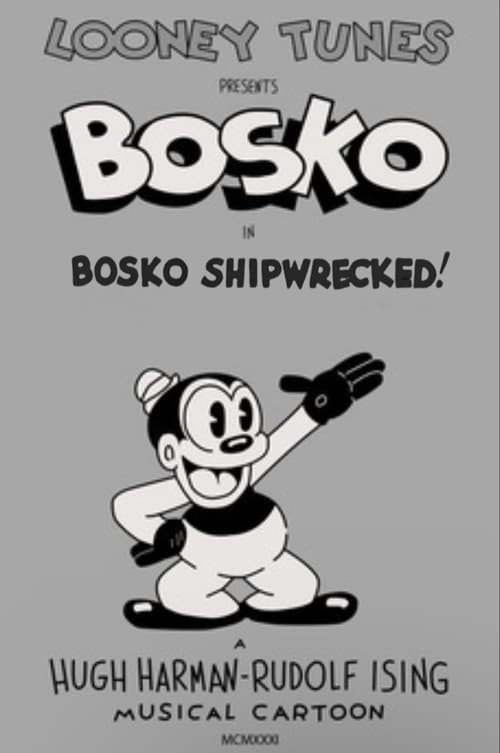
Bosko Shipwrecked! is a rhythmic, character-driven comedy typical of the early sound era. While the protagonist possesses high ability to act, the film is heavily shaped by the social norms and technical constraints of 1931. The work relies on the visual shorthand and racialized clichés prevalent in early 20th-century animation. It does not attempt to disrupt traditional hierarchies or present complex, multi-layered identities. Ultimately, the film functions as a standard adventure piece that lacks intentionality regarding modern standards of representation or social critique.
Category Breakdown
The film contains no characters or storylines involving LGBTQ+ identities. The plot focuses entirely on the protagonist's survival and rhythmic movements.
The short lacks a diverse cast, centering almost exclusively on the solo role of Bosko. Without significant character interaction, the film fails to challenge traditional gender roles.
Bosko, a Black character, drives the plot through his musicality and survival instincts. However, the animation utilizes caricatured aesthetics and visual clichés common to the early 1930s.
The setting serves as a standard adventure backdrop rather than a site for cultural critique. The narrative follows traditional comedic structures without engaging in systemic or colonial themes.
There are no depictions of physical disabilities, neurodivergence, or mental health conditions. Characters are defined by fluid, rubber-hose animation rather than specific physical identities.
Present on Screen
Limited or Absent
Official Synopsis
Bosko is shipwrecked on an island where he is chased by a lion and pursued by simian cannibals.
1932
1932
1936
1932
1933
1934
1937
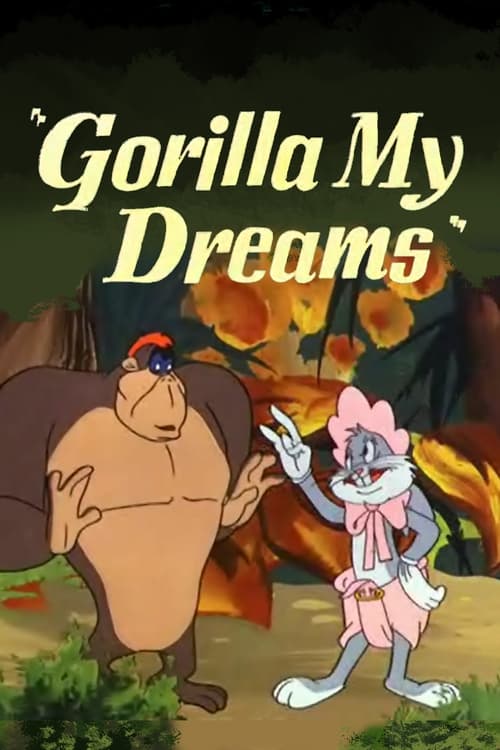
1948
No reviews yet. Be the first to share your thoughts on this movie!
Use the rating form above to leave a star rating and optional review.