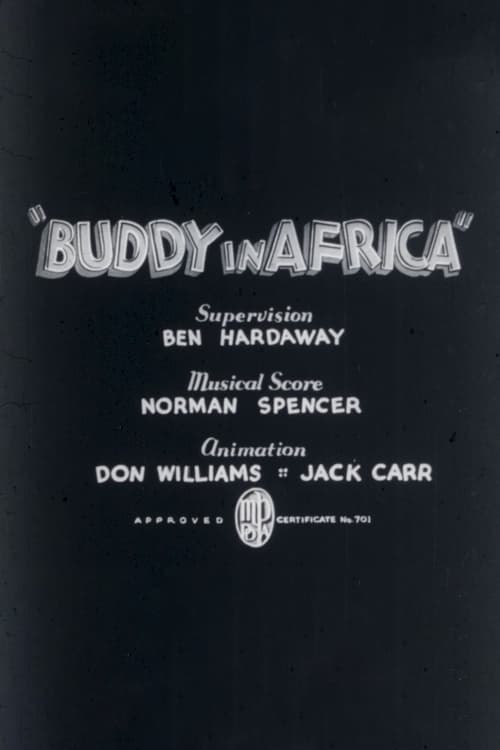
Buddy in Africa
1935
No user ratings available yet
Representation score: 0.8 out of 10
Representation Score
Minimal
1934
Director
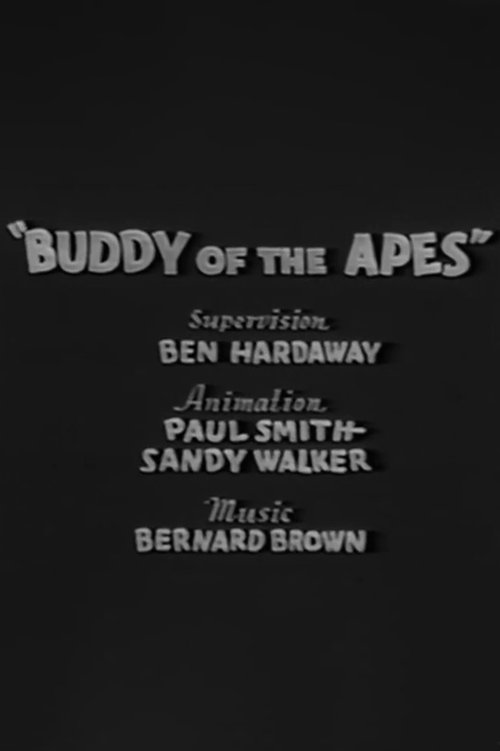
Ben Hardaway
Runtime
7 minutes
Average Rating
No ratings yetNew Showbiz Analysis
Buddy of the Apes is a product of 1930s animation that relies heavily on reductive caricatures and harmful social hierarchies. The film's humor is derived from the physical dominance of the protagonist over underrepresented groups. Racialized characters are depicted as 'cannibals' with specific physical markers, which reinforces systemic prejudices. These characters lack control over their own lives and serve only as obstacles for the main characters to overcome. Ultimately, the film reinforces colonialist perspectives without providing any meaningful representation or ability to act to the cultures it depicts, opting instead for broad, offensive stereotypes.
Category Breakdown
The film does not engage with LGBTQ+ themes or identities. There are no narratives that address non-conforming gender identities or relationships.
The story centers around a male protagonist and his animal companions. It relies on conventional action clichés without exploring nuanced gender roles or dynamics.
The film uses highly problematic racial stereotypes, portraying 'black cannibals' and 'near-naked natives.' These caricatures serve as obstacles for the protagonist's physical dominance, reinforcing colonialist hierarchies.
Non-Western cultures are portrayed through a lens of perceived savagery and 'otherness.' The story reinforces the perceived superiority of the protagonist's culture through physical conquest.
There is no evidence of characters with visible or invisible disabilities. The narrative does not include or address any disability-related themes.
Limited or Absent
Official Synopsis
Buddy encounters black cannibals. He and his animal friends beat up near-naked natives (with rings in their noses)..
1935
1940
1933
1931
1948
1938
1928
1941
No reviews yet. Be the first to share your thoughts on this movie!
Use the rating form above to leave a star rating and optional review.