Apes of Wrath
1959
No user ratings available yet
Representation score: 0.9 out of 10
Representation Score
Minimal
1948
NRDirector
Robert McKimson
Runtime
7 minutes
Average Rating
No ratings yetNew Showbiz Analysis
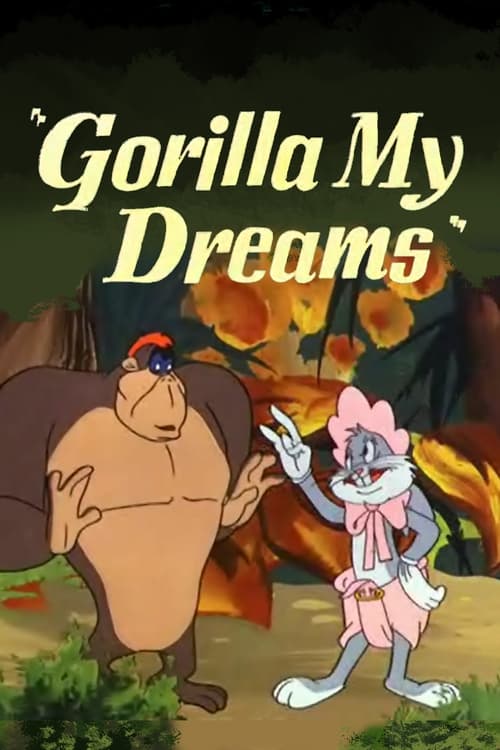
Gorilla My Dreams is a classic product of the 1940s Hollywood studio system, emphasizing slapstick humor and established character types. The film operates within a narrow scope of diversity, relying on traditional social structures to fuel its comedy. The narrative fails to challenge or deconstruct existing social hierarchies. Instead, it reinforces mid-century norms regarding family and gender through a lens of escapist humor. Ultimately, the film serves as straightforward entertainment that avoids complex social, racial, or identity-based themes.
Category Breakdown
The film does not include any LGBTQ+ characters or identities that challenge traditional heterosexual norms. Its comedic elements rely on conventional biological traits without any queer undertones.
Gender roles adhere to mid-20th century standards, centered around a female gorilla's maternal instincts. Despite Bugs Bunny's cleverness, the film upholds traditional gender roles without challenging them.
Set in a generic tropical jungle, the film features a uniform cast with no acknowledgment of racial or ethnic diversity. It steers clear of any complex racial or ethnic themes.
This escapist comedy sidesteps political or socioeconomic issues. The portrayal of the gorilla family unit adheres to conventional social norms without questioning societal structures.
The film does not depict any visible or invisible disabilities. Characters are defined by typical physical comedy routines without addressing neurodivergent or sensory-related narratives.
Present on Screen
Limited or Absent
Official Synopsis
Bugs Bunny is sailing the South Seas when a gorilla mother, desperate for a child, hijacks his barrel and presents Bugs to her husband. Bugs decides to play along, but quickly discovers his new "father" plays a bit rough.
1959
1950
1946
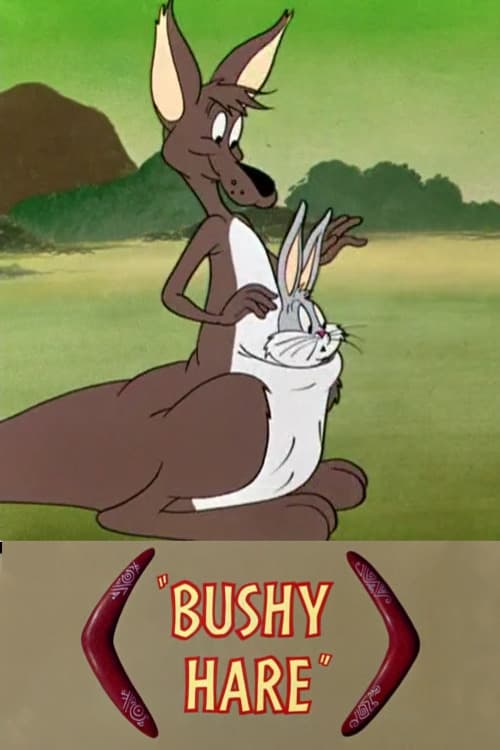
1950
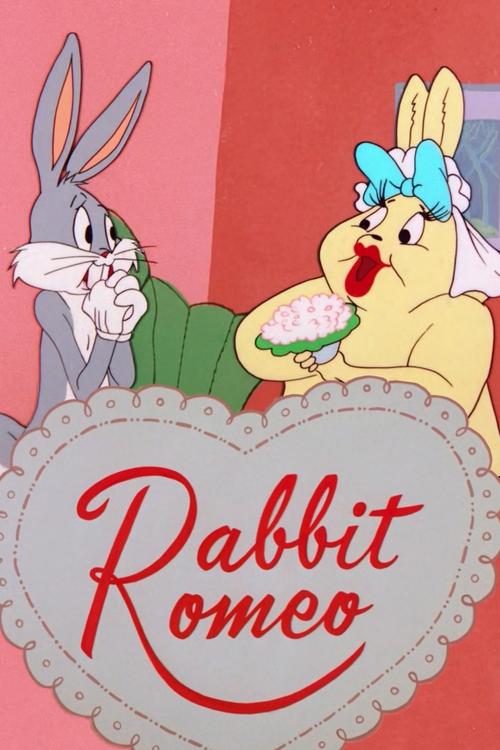
1957
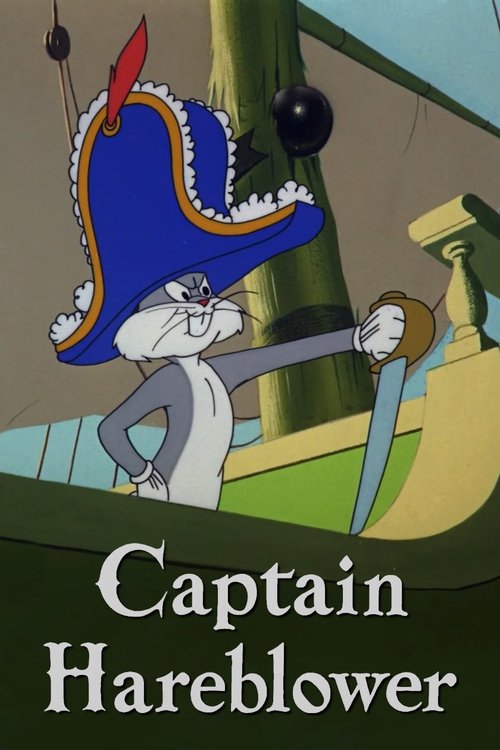
1954
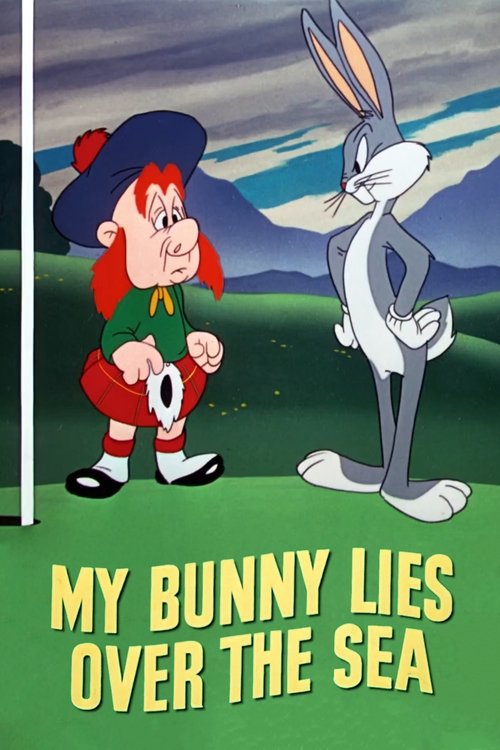
1948
1941
No reviews yet. Be the first to share your thoughts on this movie!
Use the rating form above to leave a star rating and optional review.