
I Love Pinochet
2001
No user ratings available yet
Representation score: 8.7 out of 10
Representation Score
Limited
2004
Director
José María Berzosa
Runtime
101 minutes
Average Rating
No ratings yetNew Showbiz Analysis
The documentary centers on the military and political elite of the Chilean junta. Since the focus is on a specific group of male generals, there is minimal representation of LGBTQ+, gender, and disability issues. However, the film offers a deep cultural critique by using interviews to deconstruct the mechanics of 'ordinary fascism' and the implementation of neoliberal policies. It prioritizes a critique of state power and institutional oppression over individual identity politics, leading to a strong cultural score despite limited demographic diversity.
Category Breakdown
The documentary does not include any LGBTQ+ characters or stories. The focus is solely on the political and military leaders of the Chilean junta.
The film portrays a strict, male-dominated military structure where power is held by exclusively male figures, reinforcing traditional male leadership roles.
The interview subjects are from the white and mestizo military elite. The film highlights the gap between this ruling class and the general population.
The film effectively critiques Western-aligned institutional power. It presents the military regime and state-sanctioned violence as inherently oppressive.
There is no focus on physical or neurological differences in the documentary's main subject matter.
Present on Screen
Limited or Absent
Official Synopsis
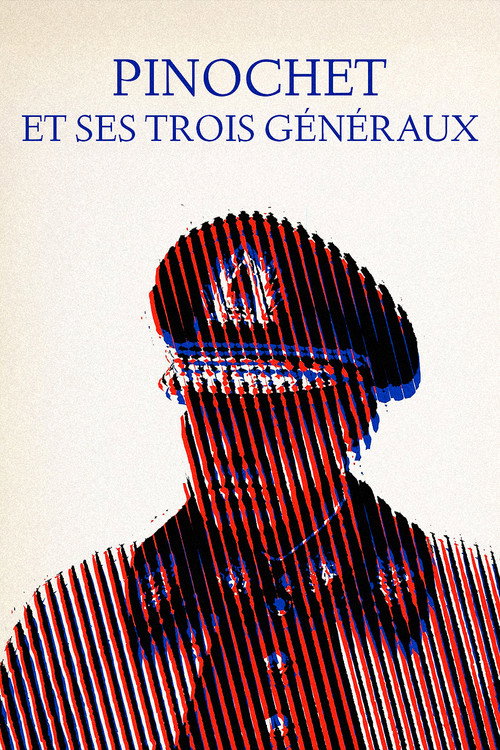
In 1976-77, José Ma Berzosa contacted General Pinochet during a trip to Chilean Antarctica. On his return to Santiago, Pinochet agreed to be interviewed. In front of the camera, the General and three members of the junta speak about their memories and political thoughts, artistic tastes and their family lives. From the interviews, conducted in an apparently cordial atmosphere, emerges an ironic portrait without concessions of their taste for order, efficiency and a certain "ordinary fascism." By way of contrast, the families of victims and missing people endure a different reality.
2001
2017
2008
2010
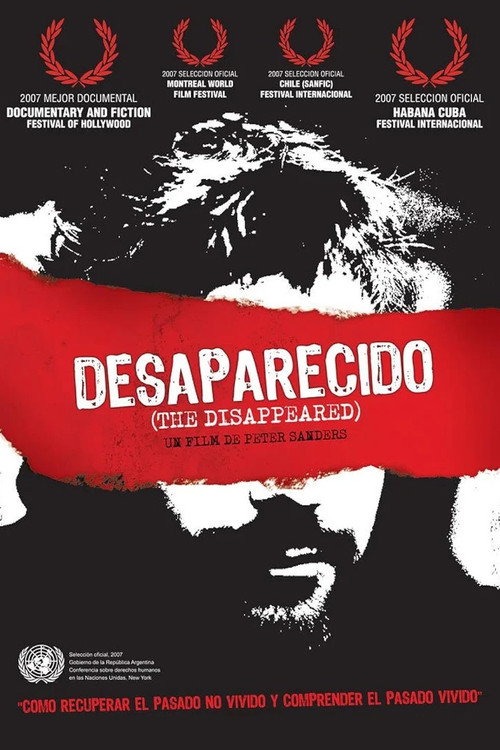
2008
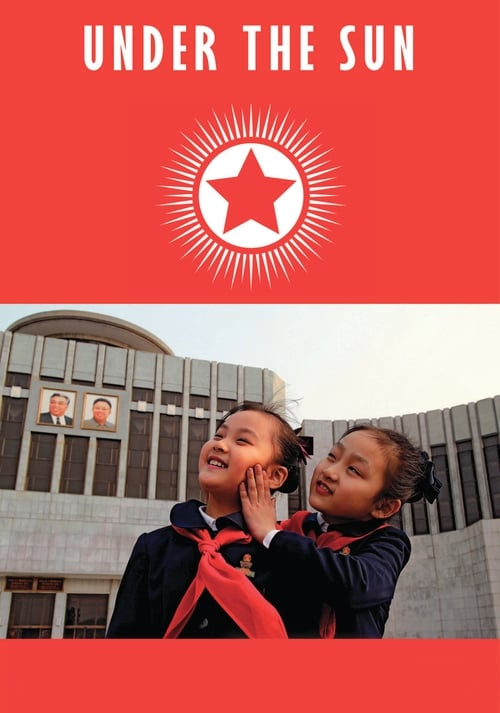
2015
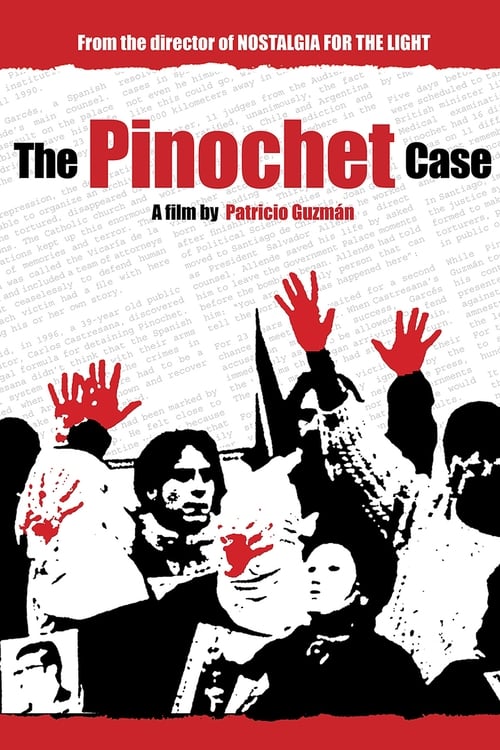
2001
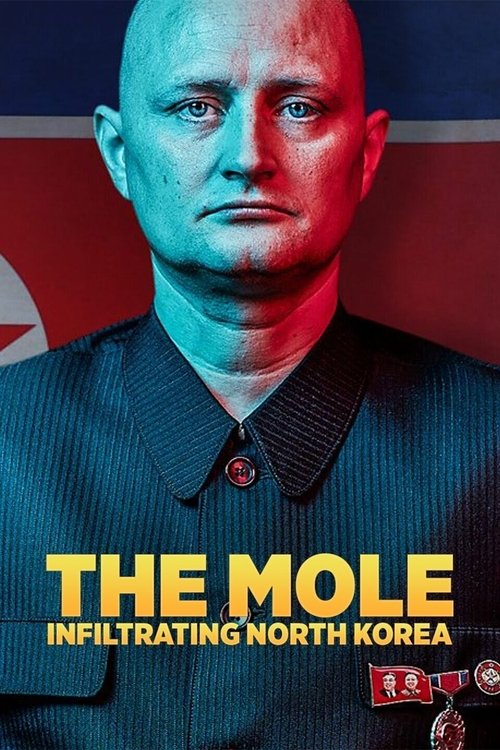
2020
No reviews yet. Be the first to share your thoughts on this movie!
Use the rating form above to leave a star rating and optional review.