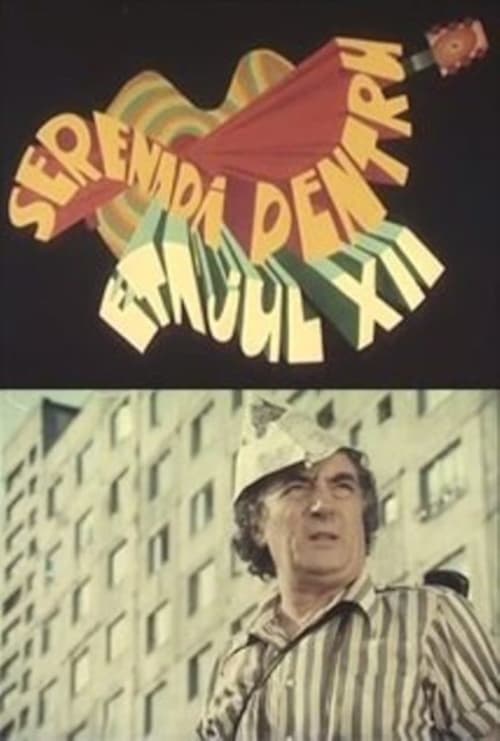
Serenade for the 12th Floor
1976
No user ratings available yet
Representation score: 3.3 out of 10
Representation Score
Good
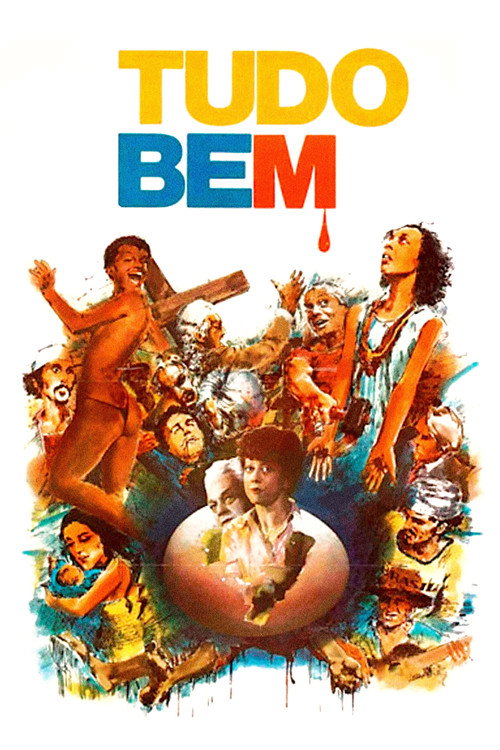
1978
Director
Arnaldo Jabor
Runtime
111 minutes
Average Rating
No ratings yetNew Showbiz Analysis
Arnaldo Jabor uses social satire to turn a mundane apartment renovation into a critique of middle-class neuroses. Domestic instability serves as a microcosm for broader societal dysfunction. The film employs significant Brazilian talent to explore complex social hierarchies, moving beyond simple domestic comedy to examine class and racial dynamics. While the film offers strong cultural and racial commentary, it lacks explicit representation of LGBTQ+ identities and disability.
Category Breakdown
The film does not explicitly depict LGBTQ+ identities. However, there are subtle hints of desire that do not significantly influence the main storyline.
The story challenges the idea of a stable patriarchal household by showing domestic chaos. Fernanda Montenegro’s character has significant psychological depth and plays a key role in driving the story.
Casting Zezé Motta brings diversity to the ensemble. The conflict between the middle-class family and the renovation workers highlights issues of race and class.
The film critiques the sanctity of the nuclear family and middle-class values. Using a routine renovation, it breaks down established social orders and domestic stability.
There are no characters with visible or invisible disabilities in the film.
Present on Screen
Limited or Absent
Official Synopsis
Middle-class family reform their apartment, and the noise, the contact with the workers and strange occurrences turn what was supposed to be a trivial matter into a trip to hell.
1976
1983
1995
1986
2005
1989
2005

2003
No reviews yet. Be the first to share your thoughts on this movie!
Use the rating form above to leave a star rating and optional review.