
No Way, Spider
1970
No user ratings available yet
Representation score: 6.5 out of 10
Representation Score
Fair
1989
Director
Oswaldo Caldeira
Runtime
101 minutes
Average Rating
No ratings yetNew Showbiz Analysis
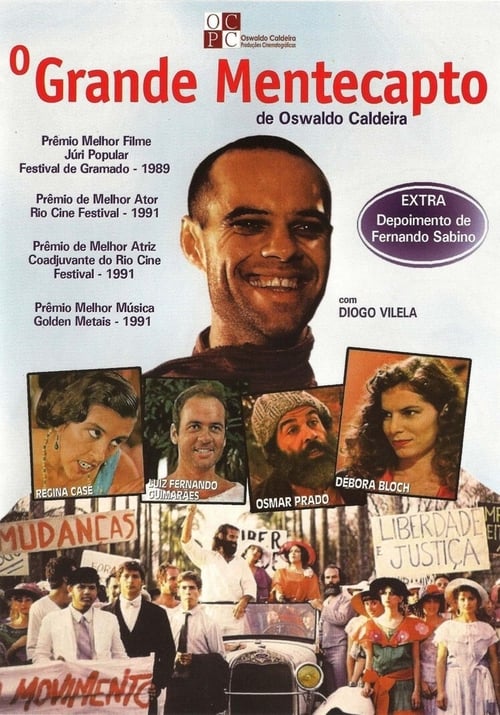
O Grande Mentecapto is a comedy that centers on a protagonist trying to destabilize established systems. The film's strength lies in its thematic commitment to the periphery, casting the destitute and sex workers as active participants in a mission against institutional norms. While the film avoids traditional Hollywood archetypes by focusing on regional Brazilian identity, it lacks specific evidence regarding racial casting or explicit LGBTQ+ representation. The narrative structure favors rebellion and systemic upheaval over traditional social stability. Ultimately, the film critiques power dynamics, using its underrepresented characters to challenge the status quo of a small-town social hierarchy.
Category Breakdown
The film doesn't explicitly depict LGBTQ+ identities or romantic relationships, but it includes sex workers as central allies, suggesting a narrative that operates outside traditional heterosexual norms.
The story focuses on a male protagonist, but female characters from underrepresented professions provide a potential subversion of traditional domestic roles. Their involvement in the protagonist's mission highlights their active role in systemic disruption.
Set in Minas Gerais, the film explores Brazilian regional identity. The focus on the destitute implies a class-based diversity that often intersects with racial identity in this context.
The narrative shows strong anti-institutional sentiment. By aligning the protagonist with the disenfranchised to destabilize the system, it prioritizes underrepresented perspectives over established social hierarchies.
There is no evidence of characters with physical or neurodivergent disabilities within the narrative.
Present on Screen
Limited or Absent
Official Synopsis
Geraldo Viramundo is a nice guy with absurd ideas. Viramundo becomes a priest, politician, soldier, and revolutionary in his quest for freedom and justice. A wanderer and playful character, he travels through various cities in search of his beloved Marília. He sees the world through the eyes of the underprivileged, and it is with prostitutes, beggars, and the insane that he embarks on a great march to the Palace of Liberty in Belo Horizonte, where the seat of the state government is located.
1970

2011

2015

2003

2021

2017

2022
1961
No reviews yet. Be the first to share your thoughts on this movie!
Use the rating form above to leave a star rating and optional review.