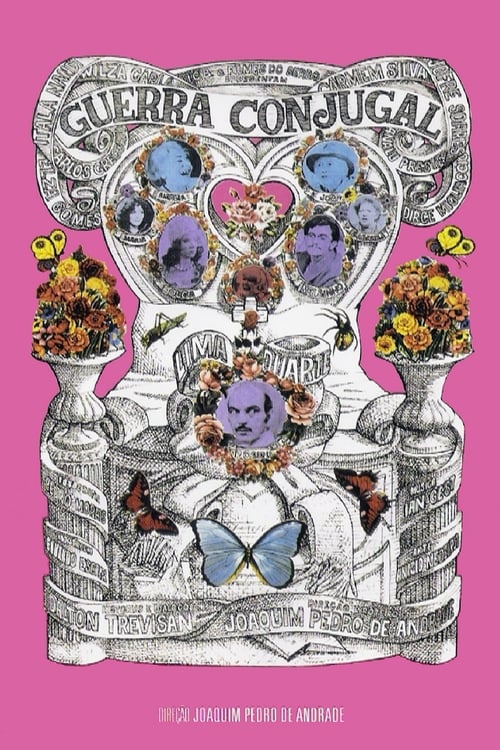
Conjugal Warfare
1975
No user ratings available yet
Diversity score: 6.6 out of 10
1970
Director
Rogério Sganzerla
Runtime
92 minutes
Average Rating
No ratings yetSynopsis
Spider, a banker, lives with three women. This tycoon is a caricature of Brazil's bourgeoisie, his trajectory is the starting point for an essay on the mental underdevelopment of Brazilian elites, in which black humor sets the tone for sharp criticism.
Overall Score
Good
Category Breakdown
LGBTQ+ Representation
The narrative centers on a male banker and his domestic life with three women. There is no explicit documentation of queer romantic arcs or non-cisnormative identities.
Gender Representation
The film subverts patriarchal archetypes by portraying the powerful banker as a caricature. This deconstructs traditional masculine authority and the conventional nuclear family structure.
Racial & Ethnic Diversity
The film critiques the mental underdevelopment of the Brazilian elite. This focus implies a narrative interest in the racialized class structures and Eurocentric upper class.
Religious & Cultural Diversity
Using black humor, the film critiques capitalism and the Brazilian elite. It frames Westernized success as a site of psychological and social decay.
Disability Representation
There is no evidence that disability, neurodivergence, or chronic illness play a role in the character arcs or central narrative.
Strengths
Areas for Improvement
AI Analysis
Rogério Sganzerla’s work serves as a sharp socio-political essay, utilizing a fragmented aesthetic to challenge established social norms. The film succeeds in deconstructing the 'tycoon' archetype, using the protagonist to expose the failures of the ruling class rather than celebrating individualist success. The narrative prioritizes systemic critique over traditional morality. By framing the bourgeoisie through black humor, the film effectively challenges the psychological and social stability of the Brazilian elite. While the film offers deep cultural and class-based commentary, it lacks explicit representation regarding LGBTQ+ identities and disability. The focus remains primarily on the intersection of class, gender subversion, and systemic decay.
1975

1970
1978

2018

2020

2000
1989

2025

2017

1987
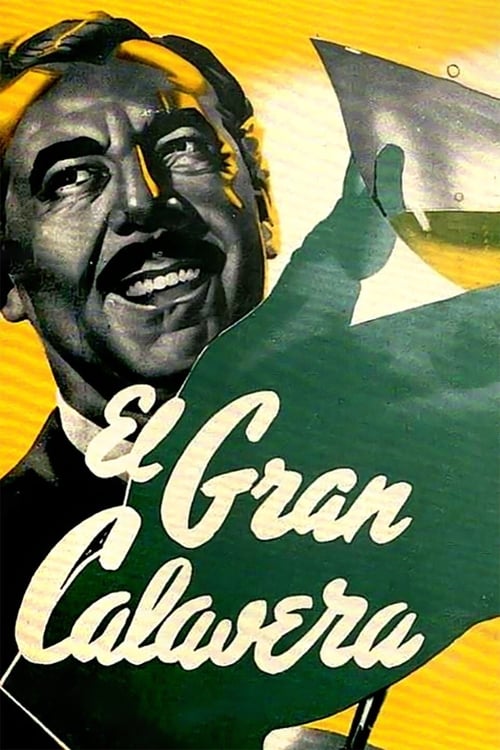
1949

1977
No reviews yet. Be the first to share your thoughts on this movie!
Use the rating form above to leave a star rating and optional review.