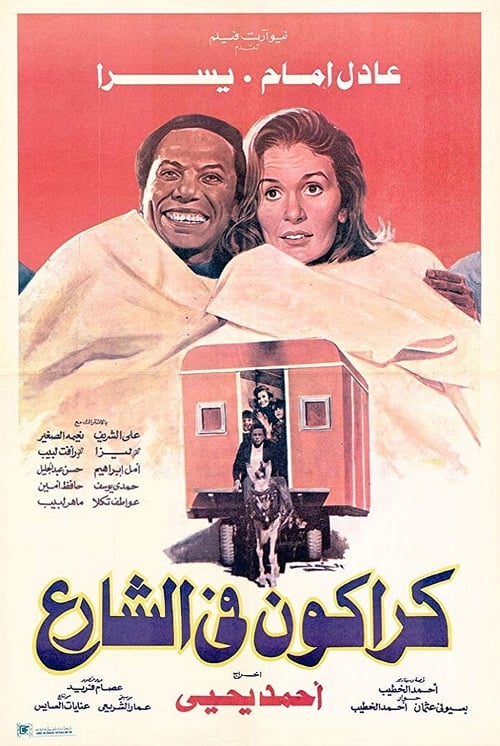
Karakon On The Street
1986
No user ratings available yet
Diversity score: 4.8 out of 10

1993
Director
Huang Jianxin
Runtime
116 minutes
Average Rating
No ratings yetSynopsis
Writer Gao moves into a new apartment neighboring rude Zhang and his wife. The Zhangs have already forced four neighbor families to leave for different disputes. Now they are clashing with cadre Liu because of a dog issue.
Overall Score
Fair
Category Breakdown
LGBTQ+ Representation
The film operates within a traditional domestic framework. There is no evidence of LGBTQ+ characters or non-heteronormative narratives in the story.
Gender Representation
The narrative features the Zhang wife as an active participant in her family's disruptive behavior. While roles remain within a traditional social setting, the focus is on domestic friction.
Racial & Ethnic Diversity
As a Chinese production, the film presents a culturally homogeneous cast. It lacks intersectional racial variety but remains authentic to its specific local urban milieu.
Religious & Cultural Diversity
The story subverts traditional institutions by showing a cadre being challenged by neighbors. It explores social dysfunction and the erosion of communal respect and authority.
Disability Representation
There are no visible or invisible disabilities mentioned or central to the character arcs in this narrative.
Strengths
Areas for Improvement
AI Analysis
Huang Jianxin’s satire uses micro-level neighborhood disputes to mirror larger systemic tensions in post-reform China. By pitting disruptive individuals against institutional authority, the film deconstructs traditional social hierarchies and the stability of state figures. While the film lacks intersectional breadth, it succeeds as a localized social critique. It moves away from grand historical epics to focus on the friction between individuals and evolving social structures through a lens of social realism.
1986

1991

2025

1987
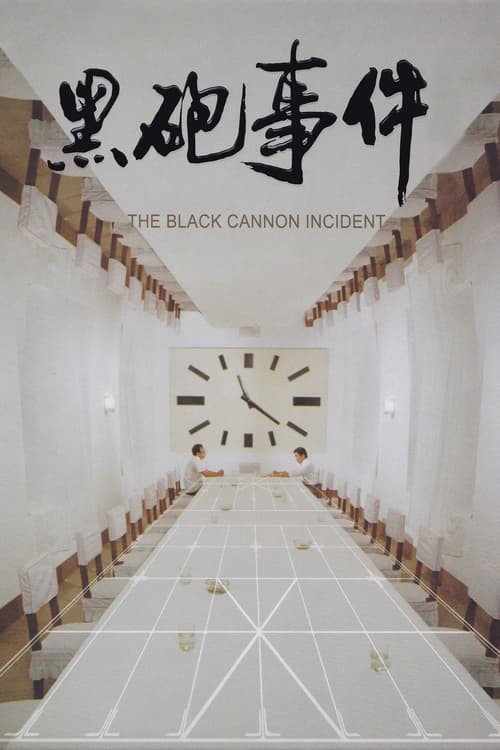
1985

2014
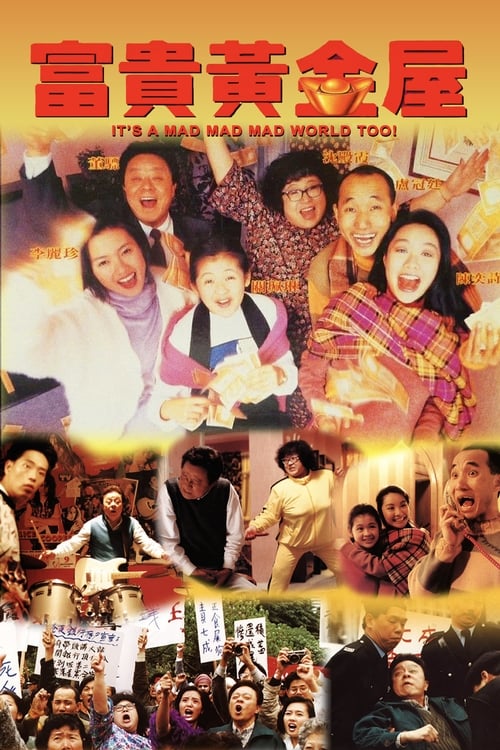
1992

2004
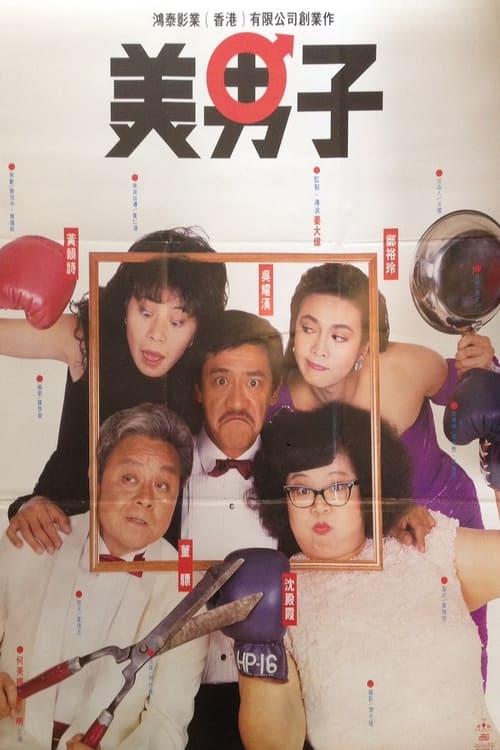
1987

2020

2004

1997
No reviews yet. Be the first to share your thoughts on this movie!
Use the rating form above to leave a star rating and optional review.