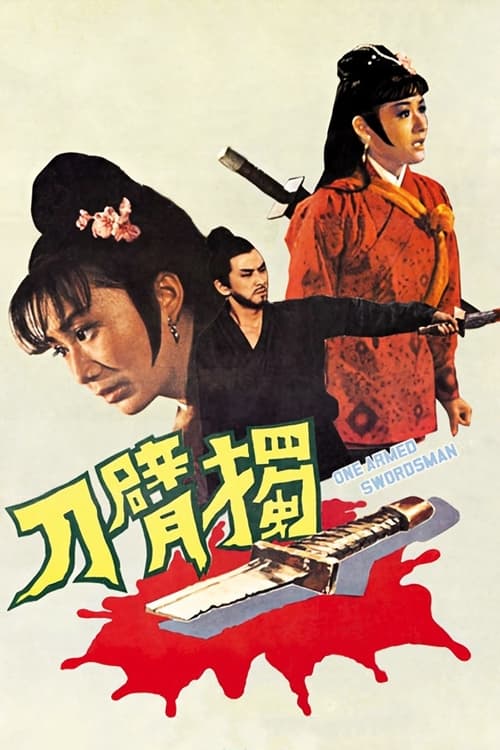
The One-Armed Swordsman
1967
No user ratings available yet
Representation score: 3.7 out of 10
Representation Score
Fair
1980
RDirector
Chang Cheh
Runtime
106 minutes
Average Rating
No ratings yetNew Showbiz Analysis
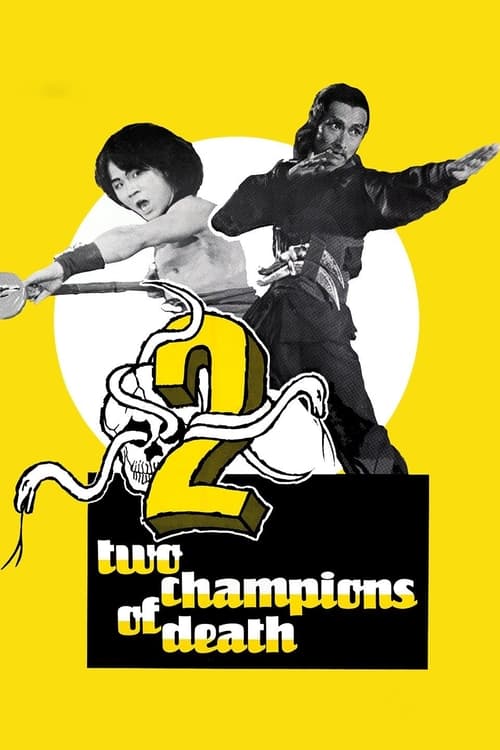
Two Champions of Shaolin is a martial arts drama rooted in traditional patriarchal structures. While it excels in portraying a specific historical identity and critiquing institutional power, it remains constrained by its narrow gender dynamics. The film's strength lies in its layered critique of state authority and its exploration of Shaolin traditions. It provides a narrative that delves into spiritual heritage and resistance against systemic oppression. However, the representation of women is limited, and disability is used more as a plot device than a nuanced portrayal. The film prioritizes male camaraderie and traditional roles.
Category Breakdown
The film does not explicitly include LGBTQ+ identities or relationships. However, the strong emotional bond between male characters suggests a subtle layer of queer intimacy. The focus on male relationships often overshadows the surface-level romantic plot.
Women in the film play supporting roles, mainly serving as romantic interests or plot catalysts. The movie fails the Bechdel test due to a lack of substantial interaction between female characters. The story primarily revolves around male figures.
Set during the Qing Dynasty, the film features a cast predominantly made up of Han Chinese actors. It maintains historical accuracy without intentionally mixing races. The absence of non-Asian characters reflects the historical context.
The narrative challenges state authority by depicting Qing forces as antagonists. It emphasizes the moral code of Shaolin practitioners over state power. This highlights the struggle for identity against centralized oppression.
The protagonist's injury serves mainly as a plot device for martial training. It acts as a catalyst for personal development rather than a detailed exploration of disability. Traditional recovery clichés are employed.
Present on Screen
Limited or Absent
Official Synopsis
Shaolin warrior Tung Chien-chen is injured in battle against the hated Wu Tang clan, and nursed back to health by a knife-throwing master. As he recovers, Tung learns this deadly art, and also falls in love with his teacher's daughter. But when a Wu Tang attack disrupts the young lovers' wedding, Tung must put his new skill to use as he seeks revenge.
1967
1978
1977
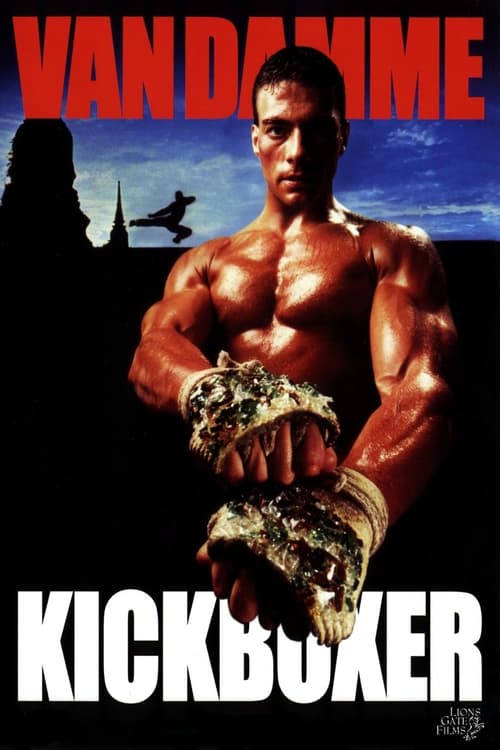
1989

1980

1982
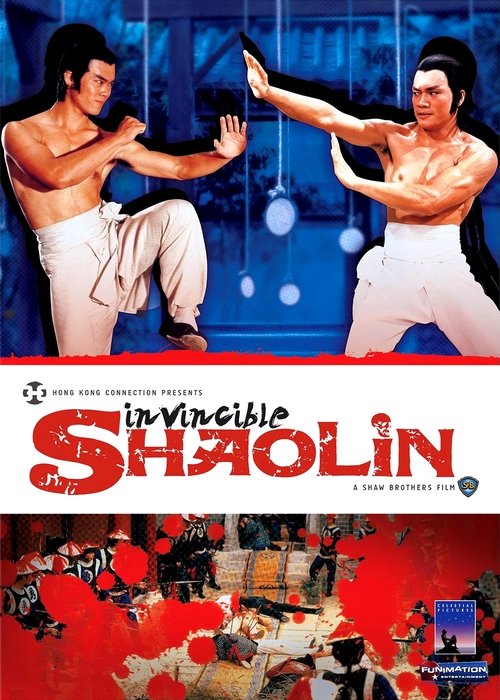
1978
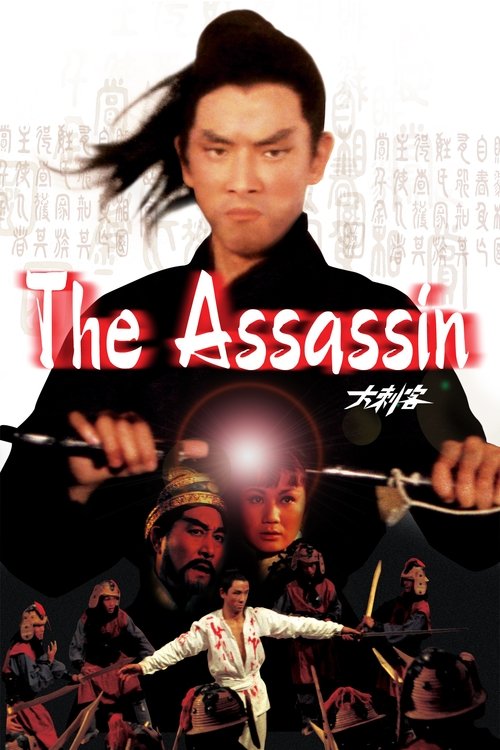
1967
No reviews yet. Be the first to share your thoughts on this movie!
Use the rating form above to leave a star rating and optional review.