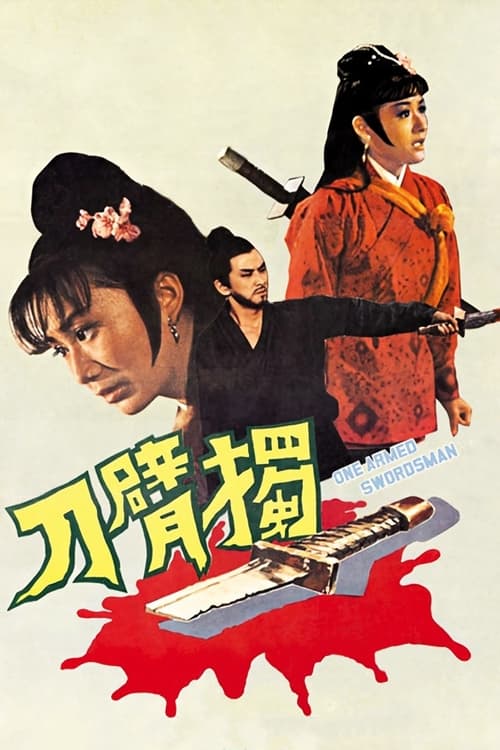
The One-Armed Swordsman
1967
No user ratings available yet
Representation score: 3.7 out of 10
Representation Score
Good
1971
Director
Huang Feng
Runtime
95 minutes
Average Rating
No ratings yetNew Showbiz Analysis
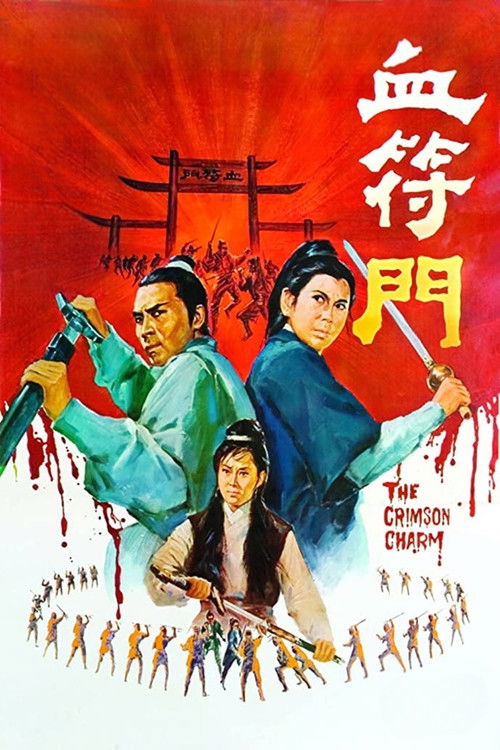
The Crimson Charm stands out for its subversion of gendered power dynamics within the wuxia genre. By centering a highly capable, physically non-conforming female protagonist, the film moves beyond the typical damsel in distress cliché common in 1970s action cinema. While the film adheres to traditional moral frameworks and lacks explicit LGBTQ representation, its portrayal of disability provides a significant role in driving the story. The female lead's physical impairment is treated as a component of her strength rather than a source of tragedy. Ultimately, the film is a culturally specific work that prioritizes classical heroism and social stability over modern identity politics, yet it remains progressive in its depiction of female combat prowess.
Category Breakdown
The film does not include explicit LGBTQ identities or non-straight relationships. The story centers around a traditional partnership between a male swordsman and a female warrior.
The narrative challenges gender hierarchies by featuring a lethal, one-armed swordswoman. This character highlights the physical prowess and ability to act of women, placing them on par with the male lead.
The cast is primarily East Asian, reflecting the Shaw Brothers' regional cinematic tradition. The film operates within a specific cultural framework rather than a multicultural one.
The story follows a traditional good versus evil binary. It emphasizes individual heroism and the restoration of social order against a gang of thieves.
The one-armed swordswoman is a formidable combatant rather than a passive figure. Her physical difference is integrated into her identity as a capable warrior.
Present on Screen
Limited or Absent
Official Synopsis
A noble swordsman and a one-armed swordswoman go up against the vicious Crimson Charm gang of thieves and cutthroats. The lovely and lethal Ivy Ling Po teams with the amazing Chang I for a classic tale of good versus evil in which the best man and one-armed woman wins.
1967
1978
1971
1972
1971
1970
1971
1980
No reviews yet. Be the first to share your thoughts on this movie!
Use the rating form above to leave a star rating and optional review.