
One Armed Swordsman Against Nine Killers
1976
No user ratings available yet
Representation score: 4.2 out of 10

Representation Score
Limited
1976
Director
David Chiang Da-Wei, Jimmy Wang Yu
Runtime
109 minutes
Average Rating
No ratings yetNew Showbiz Analysis
This film embodies the traditional values of its time, emphasizing masculine hierarchies and cultural homogeneity. It explores themes of honor and martial prowess without challenging established norms. While the film lacks diverse representation, it offers a unique perspective on disability by portraying physical limitations as sources of specialized skills. This grants the protagonist significant influence in the story. Overall, the film stays true to the genre's historical conventions, providing a culturally authentic yet narrow view of the martial arts world.
Category Breakdown
The film follows traditional masculine roles typical of 1970s martial arts films. It doesn't include characters with diverse gender identities or same-sex relationships, focusing instead on brotherhood and combat.
The story primarily revolves around male protagonists. Female characters are minor and mainly serve to spark conflicts between male characters, emphasizing traditional masculine dominance.
The cast is made up mostly of actors from the same ethnic background, reflecting the cultural context of Hong Kong cinema. It doesn't feature the multi-ethnic casts common in modern films.
The story is rooted in traditional values such as honor and revenge. It emphasizes historical traditions and clan loyalty, avoiding modern secular critiques.
The central conceit of the one-armed swordsman integrates physical limitation into the character's identity and combat ability to act. Disability is treated as a source of specialized skill rather than a subject of mockery.
Present on Screen
Limited or Absent
Official Synopsis
The martial world is now awash in one-armed knights, who aren't inclined to make any permanent alliances among themselves.
1976
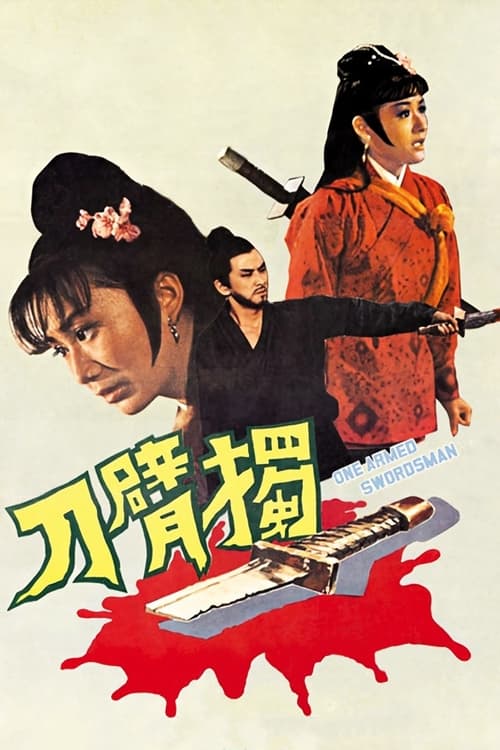
1967
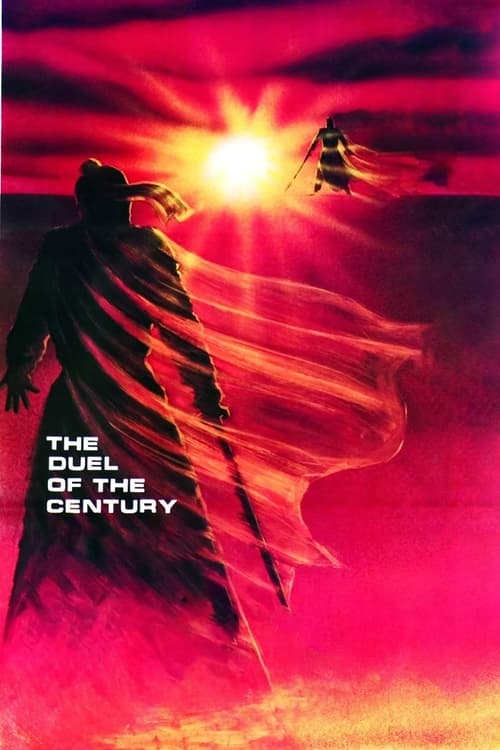
1981
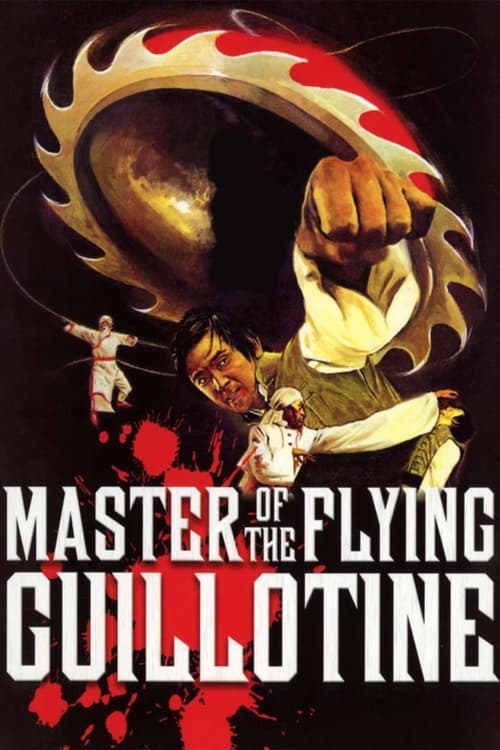
1976
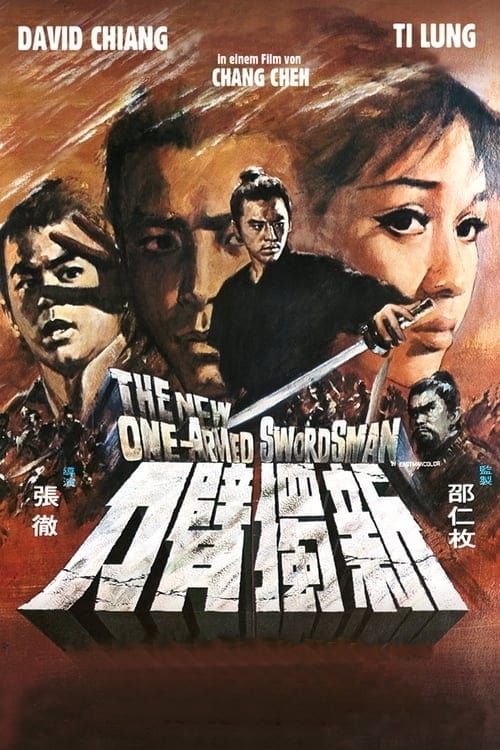
1971
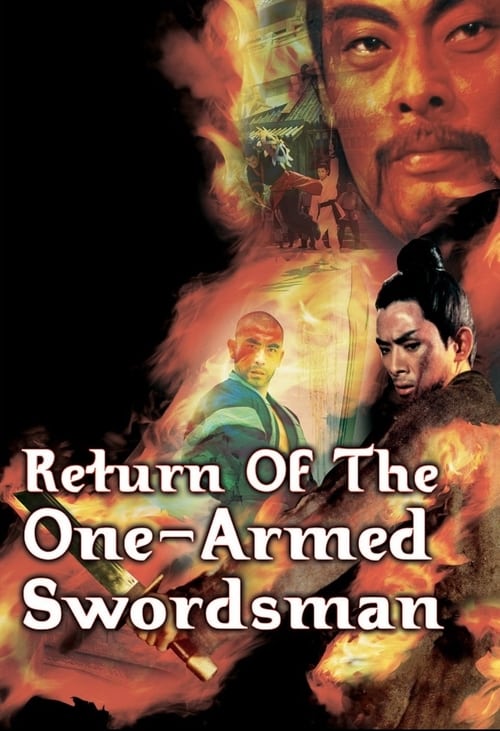
1969
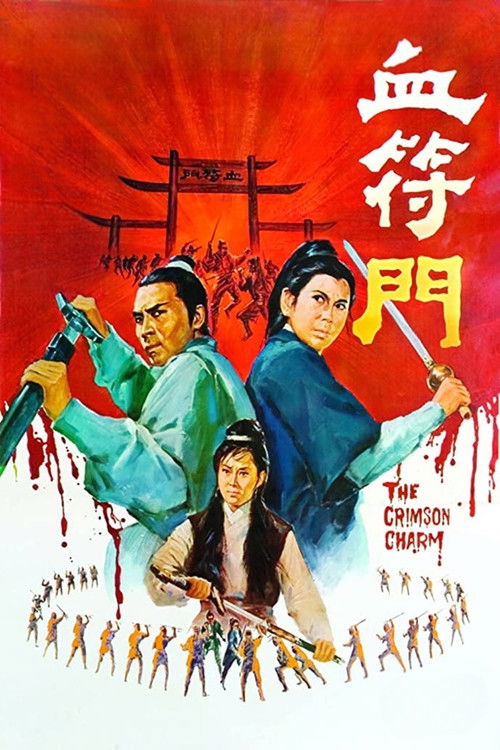
1971
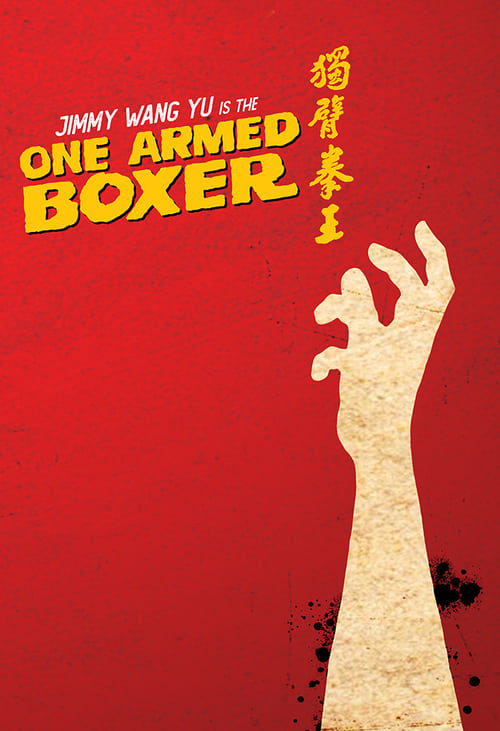
1972
No reviews yet. Be the first to share your thoughts on this movie!
Use the rating form above to leave a star rating and optional review.