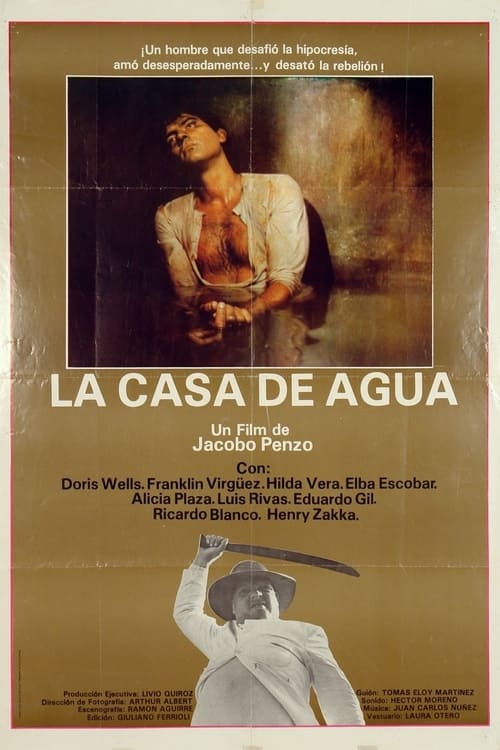
The House of Water
1984
No user ratings available yet
Representation score: 5.9 out of 10
Representation Score
Good
1959
Director
Luis Buñuel
Runtime
97 minutes
Average Rating
No ratings yetNew Showbiz Analysis
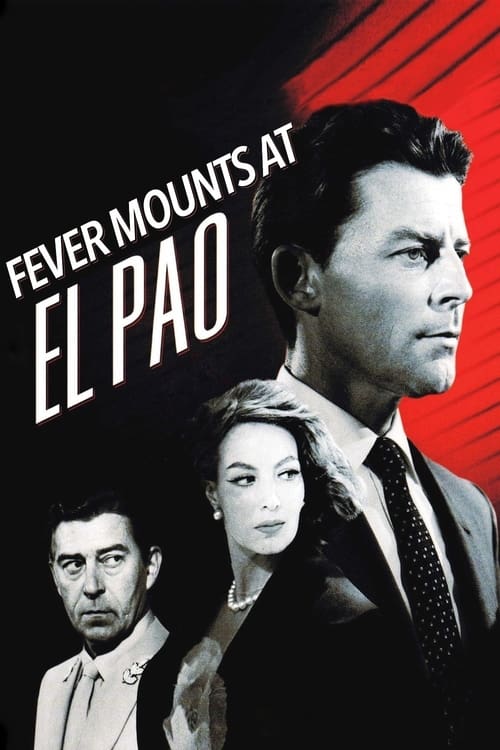
Luis Buñuel’s direction provides a sophisticated deconstruction of institutional power and the fragility of the social contract. The film excels at disrupting traditional Western political stability by focusing on the rapid, cyclical transition of authority. The narrative centers on the collapse of the ruling class and the ability to act of the underrepresented populace, creating a complex moral landscape that prioritizes revolutionary chaos over social order. While the film offers strong cultural and gendered ability to act, it lacks explicit focus on identity-based representation or disability. The primary drivers remain political and structural rather than personal identity.
Category Breakdown
The film explores an extramarital affair that challenges traditional domestic structures. However, the main focus is on political upheaval rather than representation of LGBTQ+ identities.
Inés transitions from a widow to a key player in a political coup, playing a significant role in driving the story and gaining substantial influence in the political landscape.
Set in the Caribbean, the story focuses on the collective ability to act of non-elite groups during a period of political turmoil, reflecting post-colonial dynamics.
The film critiques established state structures and portrays traditional political institutions as unstable and corrupt, offering a dense thematic critique of power.
There is no evidence regarding the portrayal of physical or neurodivergent characters in the narrative.
Present on Screen
Limited or Absent
Official Synopsis
After Caribbean despot Mariano Vargas is murdered at the hands of his enraged populace, his secretary Ramón Vázquez takes not just control but also Vargas' widow Inés, with whom he's been having an affair. Special military unit leader Alejandro Gual arrives to overthrow Vázquez by turning the people and Inés against him.
1984

1967
1993

1964
1958

1961
1994
1960
No reviews yet. Be the first to share your thoughts on this movie!
Use the rating form above to leave a star rating and optional review.